The Democratic National Committee sued the Trump administration on October 7 over taxpayer-funded advertising that praises the president. Government communications have apparently reached the part of the infomercial where you discover you already paid for it.
Reuters reported that the complaint seeks to stop the use of public money for the disputed ads and alleges a violation of restrictions on government-funded publicity or propaganda. Those are allegations in a lawsuit, not findings that a judge has already endorsed.
The money and the message
The Associated Press account carried by Spectrum News places the filing in federal district court in Washington. It also describes a separate challenge from a coalition including Common Cause. The concern is whether communications presented as public information instead deliver partisan promotion on the public’s tab.
Spending figures need careful reading. AP’s account cites AdImpact data showing more than $12 million in advertising spending and describes a $20 million Homeland Security contract. A contract amount is not automatically the same thing as money already spent. Collapsing those numbers into one giant dramatic total would be lousy arithmetic dressed for cable television.
Axios reported that Trump agreed to help fund future advertisements, while the White House defended the communications as public-service messaging with precedents under previous administrations. Reuters described MAGA Inc.’s prospective funding role. Future private funding does not, by itself, answer the complaint about earlier public spending.
The argument worth having
Governments need to communicate. The public may need information about a program, an emergency or a change in procedure. That does not mean every flattering appearance by the person in charge becomes an essential civic service. The legal dispute concerns where that boundary falls for these ads.
Our editorial view is that taxpayers should receive information that helps them understand government activity, rather than a bill for a president’s applause track. You should not need a party membership card to ask who approved an advertisement, what it cost and what public purpose it served.
The administration’s defense also deserves to be recorded accurately. Pointing to earlier government advertising is an argument, not a magic eraser. Courts can examine the disputed conduct and the applicable restrictions without requiring everyone to pretend their preferred party invented ethical government.
What happens next
The filing begins litigation. It does not guarantee an injunction, repayment or a particular final outcome. The next useful developments will be the administration’s response and any court orders concerning the ads.
Until then, the factual headline is straightforward: Democrats have brought a taxpayer-advertising challenge, and the government disputes the criticism. The rest of us can continue hoping the commercial break eventually includes something we actually ordered.
Sources and photograph
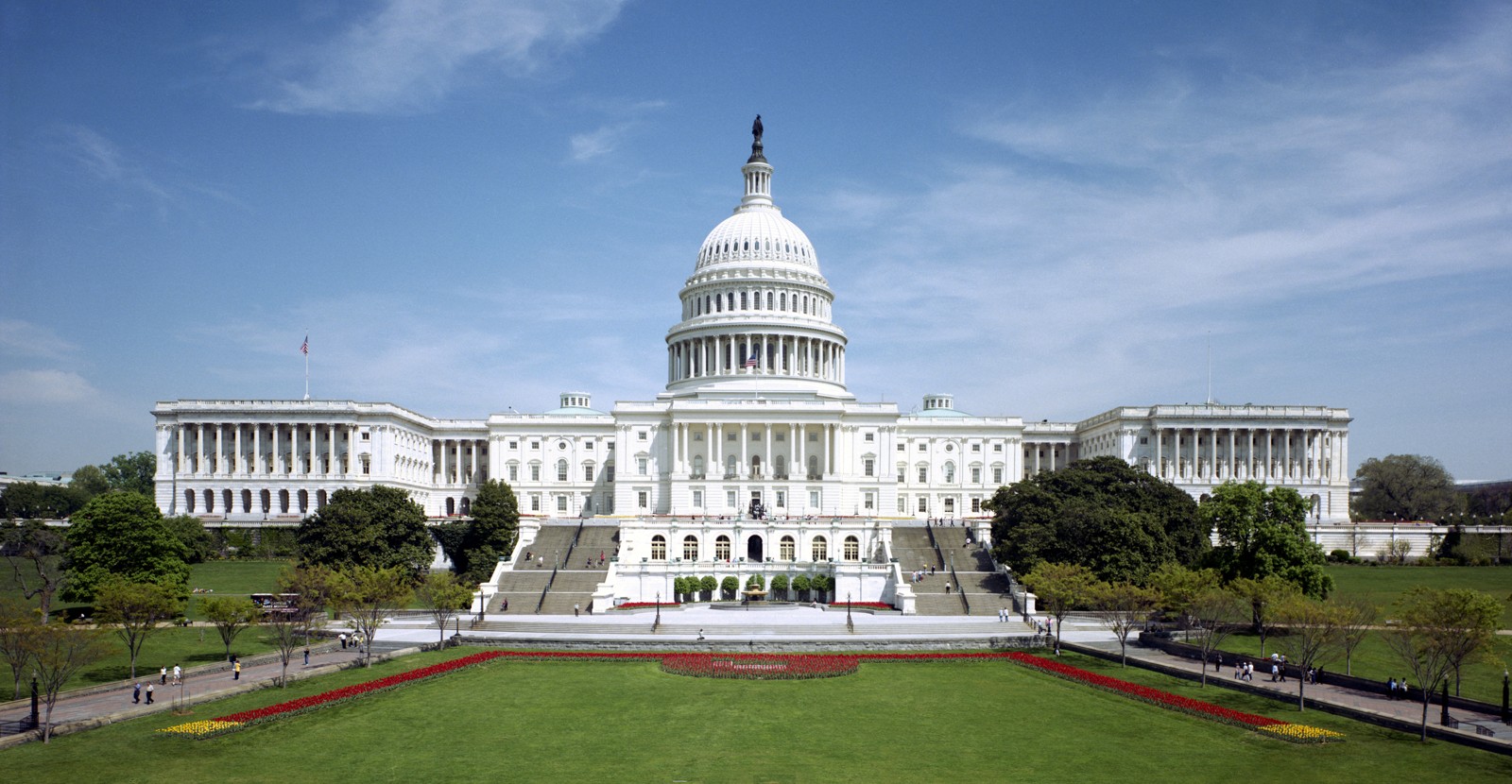
Photograph: Architect of the Capitol, 1997, public domain (U.S. government). Original and rights record. Resized; archival representative photograph.

Facts first. Side-eye included.
DJF separates what is confirmed from what is claimed—and tells you why this particular mess is worth your time.

Dana Side-Eye
Receipts, Rumors & Internet NonsenseDana reads the fine print, checks the timeline, and keeps one eyebrow permanently raised. She covers viral claims, internet pile-ons, and suspiciously convenient explanations.
“Screenshots are forever. So is the side-eye.”