Reported development · October 25
Bloomberg reported October 25 that Democrats are preparing additional congressional investigations into the administration’s handling of Epstein-related files if they regain power after the November 3 midterm elections. House Oversight’s ranking Democrat, Robert Garcia, described the subject as a leading investigative priority. This is a conditional political commitment, not an announcement that a new committee investigation has already begun.
What is new—and what is not
The report concerns plans for potential oversight after an election. It does not announce a new criminal charge, establish that a particular person committed an offense or supply a new court finding. The politicians’ criticism of the administration’s document handling remains their position. A pledge to investigate cannot serve as proof of the conclusion an investigation might eventually reach.
Opinion: make the promise measurable
Our take: promising accountability is the easy part of a campaign. The useful test comes when someone has to identify the records sought, explain the legal authority, protect survivors and follow an inconvenient answer wherever it leads. A slogan can fit on a podium. A responsible investigation needs a scope, a process and evidence that can withstand questions from people who did not vote for its sponsors.
Keep the proceedings separate
The Epstein story contains several different legal and political tracks. Estate litigation, criminal investigations, document-release disputes and congressional oversight do not have interchangeable purposes. Treating them as one rolling verdict makes a loud story less informative. A civil allegation is not a conviction; an oversight demand is not a criminal charge; a name in a document is not a finding of wrongdoing.
The next update needs an action
If the promised oversight takes shape, readers should look for an announced inquiry, a defined request, a hearing notice or another documented procedural step. Those actions would deserve their own reporting. Until then, the accurate verb is promise. Washington has produced enough trailers for accountability; the public can reasonably ask when the actual program starts, without pretending the trailer has already proved the plot.
Follow the evidence, not a guessing game
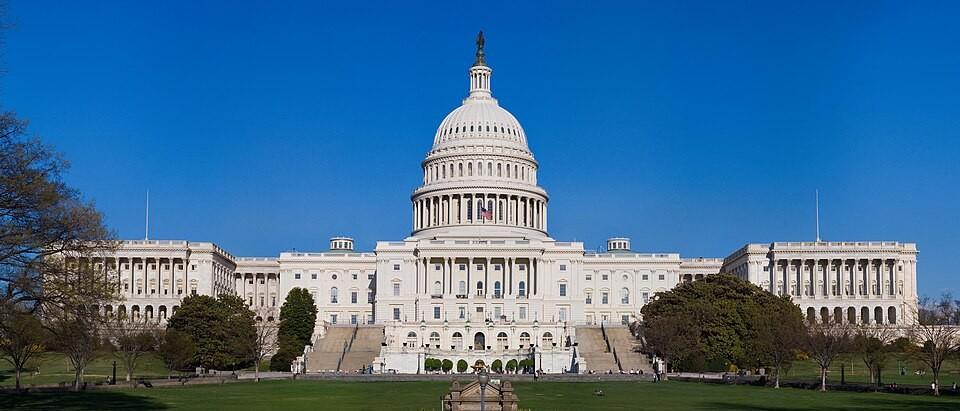
Survivors and the responsible handling of evidence should remain central. Public curiosity does not justify turning every unfamiliar name into a suspect or republishing private details that add nothing to accountability. Strong scrutiny can demand answers while rejecting guilt by association. The photograph shows Congress’s building as institutional context, not a newly convened hearing. The confirmed news is the reported conditional oversight plan.
Related Daily Junk Food coverage
The separate dispute over investigators’ access to Epstein evidence. The separate New Mexico estate lawsuit.
Source and photograph
Bloomberg Government / Josh Wingrove, October 25, 2026, 13:30 UTC.
File photograph of the western front of the U.S. Capitol; not a photograph of a newly opened Epstein hearing. Photo: Noclip / Wikimedia Commons; released into the public domain by the photographer. Display copy resized. Original photograph and public-domain rights record.

Editorial note: This article draws on the linked sources and may include clearly labeled opinion or unconfirmed reports. We have not independently verified every source claim. Publication does not establish an unconfirmed claim as fact; developing details may change.
Facts first. Side-eye included.
DJF separates what is confirmed from what is claimed—and tells you why this particular mess is worth your time.