Reported development with clearly labeled editorial analysis — October 26, 2026. The Ninth Circuit dismissed the Justice Department’s emergency California ballot appeal on Monday. The central finding was procedural: DOJ had not given the district court adequate time to rule, leaving the appeals court without jurisdiction. Its emergency motion was denied as moot.
That is a setback for the administration’s immediate request. It is not a final determination of the underlying lawsuit or of any voter’s citizenship.
What the court actually did
The published order in United States v. California, No. 26-7070 describes DOJ’s demand to segregate mail ballots associated with people the government identified as likely noncitizens, pending verification. Its October list contained more than 20,000 names. California questioned the government’s methodology. An allegation in that dispute is not an established finding of unlawful voting.
Judges Mark Bennett and Gabriel Sanchez concurred; Judge Patrick Bumatay dissented. The order describes an October 27 district-court hearing already scheduled before the appeal. The dispute therefore continues below. Our earlier account of Sunday’s hearing covers the argument stage; Monday’s dismissal is the new development.
DJF analysis: the emergency label is not a skeleton key
Calling a filing an emergency does not hand a litigant every courtroom door at once. The public deserves a clear account of which court has acted, what it decided and what remains open. Compressing all three into a victory graphic may be efficient campaign communication. It is lousy civic information.
There are two especially tempting shortcuts here. One turns a disputed list into a certified inventory of illegal votes. The other turns a jurisdictional dismissal into a declaration that the government could never prove any part of its case. Neither conclusion follows from the decision described above.
A name, a database match and an actual legal determination are different things. That distinction matters most when the proposed consequence reaches a person’s ballot. Skepticism should follow the evidence in both directions: question the government’s identification process, and read the court’s limits instead of claiming a broader ruling than it delivered.
What to watch next
The useful next update will identify an actual district-court decision, any relief ordered and the reasoning supporting it. Another statement announcing certainty will not substitute for that record. DJF will distinguish a hearing, an allegation, a ruling and an appeal rather than throw them into the same political blender.
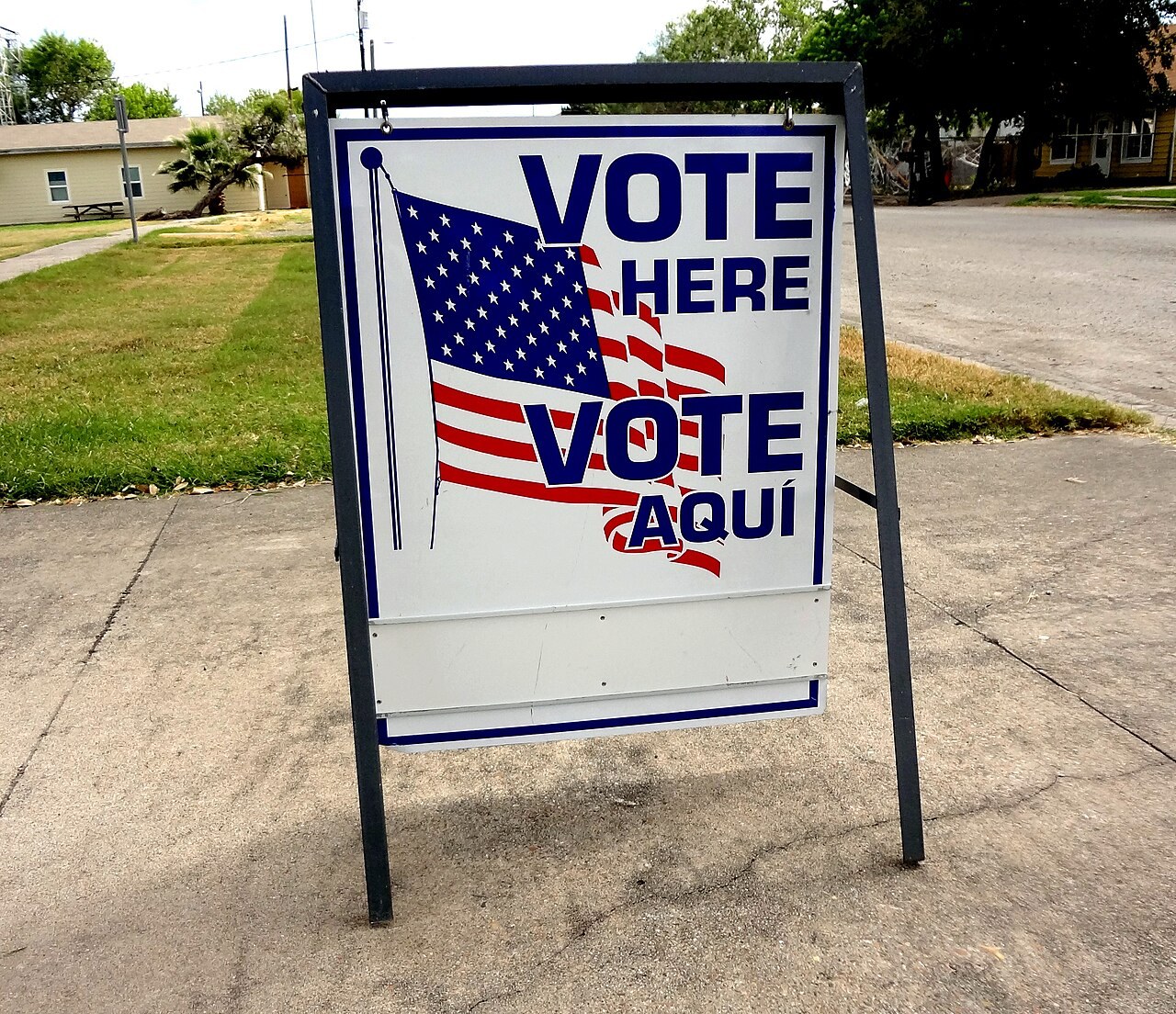
For more court and election coverage, visit our Politics section. The photograph accompanying this report is a representative voting file image, explicitly identified below; it does not depict the California dispute.
Photograph and source credit
Representative file photograph: a voting sign in Taft, Texas, October 25, 2016; it does not depict California or the 2026 election. Creator: Jay Phagan. Source and identification; CC BY 2.0. Resized for display.

Editorial note: This article draws on the linked sources and may include clearly labeled opinion or unconfirmed reports. We have not independently verified every source claim. Publication does not establish an unconfirmed claim as fact; developing details may change.
Facts first. Side-eye included.
DJF separates what is confirmed from what is claimed—and tells you why this particular mess is worth your time.