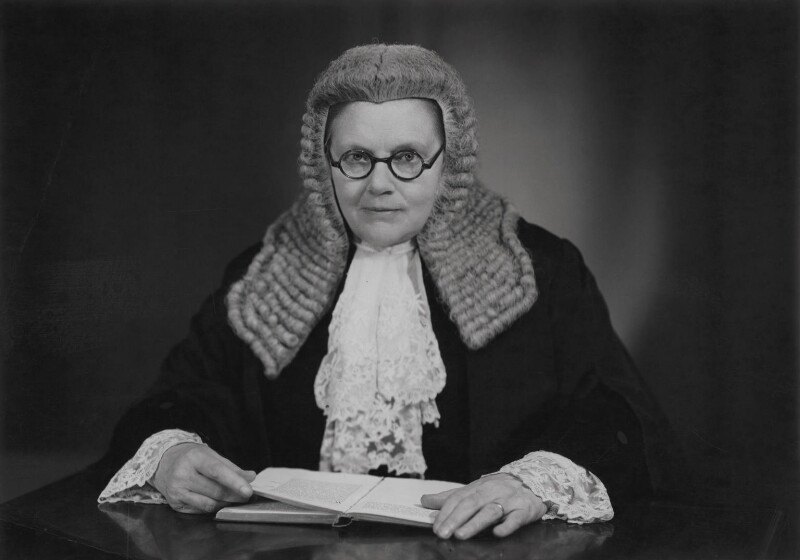
A federal judge has warned that law firms may stunt the development of junior attorneys and harm clients if they hand too much work to artificial intelligence without serious human review. The robot has passed the bar in exactly zero states but remains extremely confident about the cases it just made up.
U.S. District Judge Arun Subramanian declined to sanction lawyers over AI-generated errors in a filing, but called the episode a wake-up call. His order stressed that attorneys remain responsible for every claim, citation and argument submitted under their names.
Efficiency is not competence
Generative AI can summarize documents, organize discovery and accelerate routine drafting. It can also hallucinate authorities, flatten factual nuance and produce polished nonsense that looks authoritative until somebody checks the docket.
Junior lawyers traditionally learn by researching, drafting and receiving corrections from experienced attorneys. If firms automate the developmental work while still billing clients for professional judgment, they risk creating a generation of lawyers who can prompt a system but cannot recognize when it is wrong.
The client absorbs the failure
A fake citation is not merely embarrassing. It can waste court resources, damage credibility, increase fees and undermine a client's actual legal position. Confidentiality and data-security questions add another layer when sensitive material enters external systems.
Reuters reported Subramanian's warning and the filing errors on October 2, 2026. Use the tool. Check the work. And remember that “the chatbot sounded sure” remains a terrible sentence to deliver to a judge who owns both a law degree and a contempt power.
Facts first. Side-eye included.
DJF separates what is confirmed from what is claimed—and tells you why this particular mess is worth your time.

Dana Side-Eye
Receipts, Rumors & Internet NonsenseDana reads the fine print, checks the timeline, and keeps one eyebrow permanently raised. She covers viral claims, internet pile-ons, and suspiciously convenient explanations.
“Screenshots are forever. So is the side-eye.”