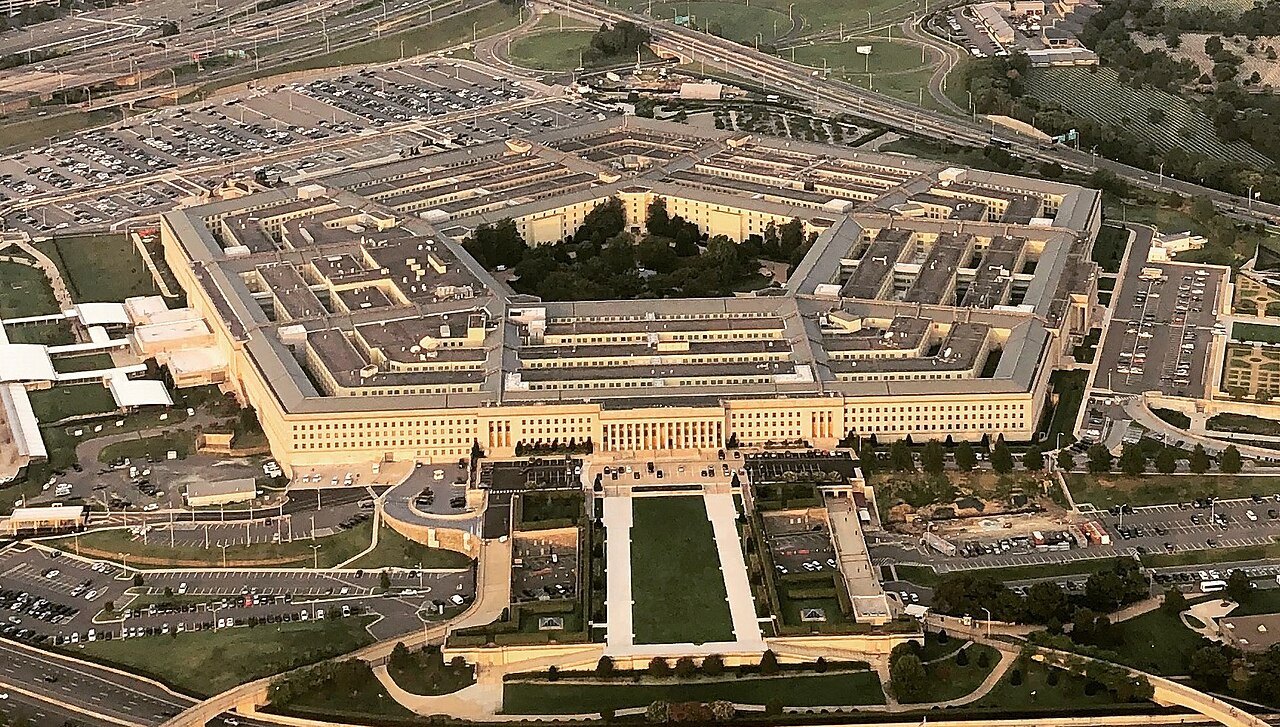
Defense Secretary Pete Hegseth has created an Office of Religious Affairs at the Pentagon, promising “first-class religious support” for service members and giving the new operation a direct reporting line to him. The First Amendment has entered the building and would like somebody to explain the org chart.
Military chaplains have long served troops of many faiths and none. The controversy is not whether service members deserve spiritual support; they do. It is whether Hegseth is using government authority to privilege his own evangelical Christianity.
The office arrives with baggage
Hegseth has hosted Christian worship services for Pentagon employees and spoken of the United States as a Christian nation. The Pentagon says participation will not be compelled and describes the office as a defense of religious liberty.
Americans United for Separation of Church and State, which has sued over the worship services, argues that workers can feel pressure even without a written attendance requirement when the invitation comes from the person at the top of the chain of command.
Religious freedom protects difference
Real religious liberty means an evangelical, Catholic, Muslim, Jew, Hindu, atheist and everyone else can serve without government grading their beliefs. A military office should strengthen that pluralism, not turn the secretary's theology into institutional wallpaper.
The Associated Press reported the office and the constitutional concerns on October 2, 2026. The test will not be the title on the door. It will be whether people outside Hegseth's tradition receive equal protection when the brass band stops and the complaint reaches his desk.
Facts first. Side-eye included.
DJF separates what is confirmed from what is claimed—and tells you why this particular mess is worth your time.