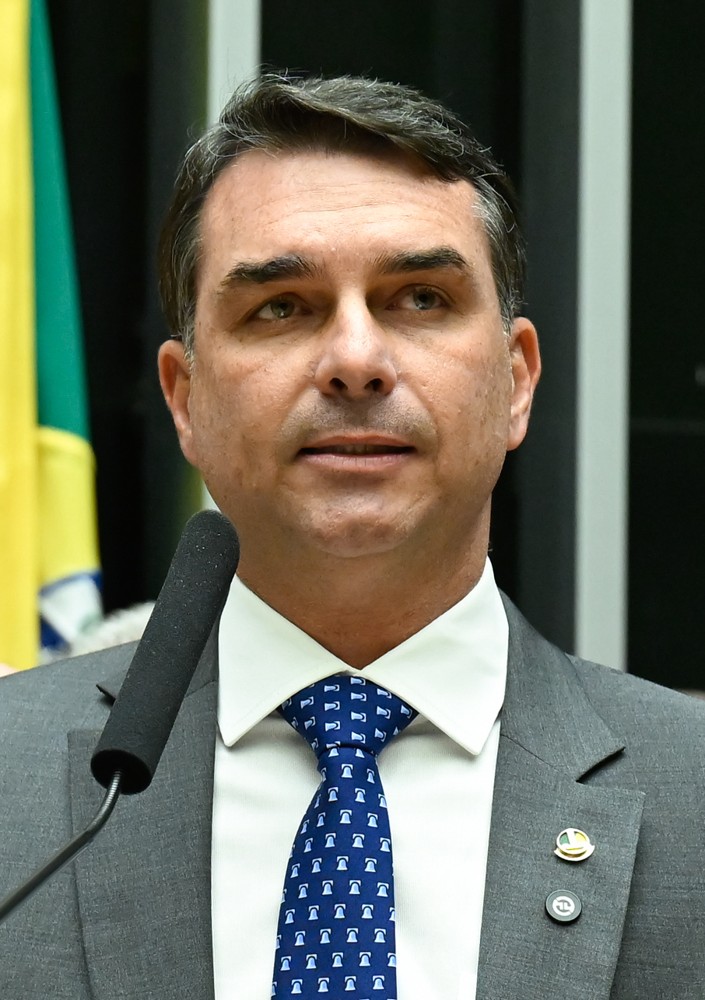
The Flávio Bolsonaro fiscal pledge reported overnight combines two politically attractive promises: restrain Brazil’s public debt and protect sensitive social-spending commitments. Reuters reports that the senator made the statement Friday, October 16, rejecting accounts that his presidential campaign was considering cuts. It is a new campaign position to examine, not an announcement that the arithmetic has already politely arranged itself.
Bolsonaro is due to face President Luiz Inácio Lula da Silva in the October 25 runoff. According to Reuters, he rejected proposals attributed to his campaign involving real minimum-wage increases, automatic social-benefit adjustments and mandatory social expenditure. Those are his stated denials of reported proposals, rather than proof that no person connected with the campaign ever discussed any option.
The report identifies alternatives he advanced, including eliminating ministries, addressing mismanagement at state-controlled companies and monetizing federal property. These are proposed routes toward adjustment. The statement does not, by itself, establish what each measure would yield, how quickly it could be implemented or what other decisions would be necessary. A list of mechanisms and a completed fiscal programme are different products.
Analysis: protecting a particular category of spending does not remove the need to explain the rest of a budget. The useful questions are specific: which measures, what estimates, what timetable and which assumptions? An appealing promise deserves the same scrutiny whether it comes wrapped in a right-wing campaign or a left-wing one. Party colors do not change how addition works.
There is also a distinction between recurring savings and a receipt that occurs once. Without asserting how a particular property proposal would be designed, readers can ask whether an estimate concerns ongoing revenue, a sale or another arrangement. The explanation matters because different mechanisms answer different questions. “There is an asset somewhere” is not yet a description of a durable spending plan.
The timing makes clarity particularly valuable. Before a runoff, candidates have reason to reassure voters who worry about both public finances and household support. Reporting should preserve that political context without converting reassurance into a forecast. A promise can be sincere, incomplete, contested or all three; the evidence needed to evaluate delivery will extend beyond the announcement.
The verified development is Bolsonaro’s October 16 rejection of social-cut proposals attributed to his campaign and his statement of alternative approaches. No election result, enacted budget or delivered debt reduction is being reported here. The next useful account will show the detail behind the pledge. Until then, the calculator remains a separate member of the campaign team.
Sources and photograph
Reuters, October 16 statement reported October 17. Reuters syndicated report, Investing.com.
File photograph from May 21, 2026; not the October 16 campaign statement or an enacted budget measure. Photo: Andressa Anholete/Agência Senado; CC BY-SA 4.0. Display copy resized. Original photograph and rights record. Image-use terms.
.jpg)
More from this Daily Junk Food section.
Facts first. Side-eye included.
DJF separates what is confirmed from what is claimed—and tells you why this particular mess is worth your time.

Dana Side-Eye
Receipts, Rumors & Internet NonsenseDana reads the fine print, checks the timeline, and keeps one eyebrow permanently raised. She covers viral claims, internet pile-ons, and suspiciously convenient explanations.
“Screenshots are forever. So is the side-eye.”