Reporting and labeled analysis · October 26, 2026
Reporting — the statement and the survey
Marjorie Taylor Greene called health insurance “an unaffordable disaster” in an October 25 post criticizing both Democrats and Republicans, according to Benzinga’s report carried by TradingView. She blamed the Affordable Care Act for rising prices and accused Republicans of failing to fix the problem while controlling government.
Those are Greene’s political claims. The useful factual context comes from KFF’s 2026 Employer Health Benefits Survey, published October 22. This article is published October 26; the survey did not suddenly appear with the latest social-media argument.
The distinction matters because an alarming number can travel a long way after its label falls off. In this case, the headline figure is a total employer-plan premium, not the average amount taken out of a worker’s paycheck.
What the $28,303 number includes
KFF reports that annual premiums for employer-sponsored family coverage averaged $28,303 in 2026, including the employer’s contribution. The total rose 5% from 2025. Workers contributed an average of $7,471 toward those family premiums, up 9%, or $621.
The worker contribution and the total premium answer different questions. The first describes the average employee premium payment; the second includes what the employer pays, too. Calling the whole $28,303 a typical worker’s direct annual bill would misdescribe the finding.
The survey’s subject is employer-sponsored insurance. That is not a price quote for a specific Affordable Care Act Marketplace plan, nor a prediction of what every household will pay next year. An average also cannot tell readers the terms of their own employer’s plan.
What this evidence does not settle
A survey showing rising premiums does not, by itself, establish that one law caused the increase. Greene’s causal claim about the ACA would need its own evidence, comparing what happened with a defensible account of what would otherwise have happened.
Likewise, her accusation that Republicans have not tried to fix the system is a political judgment about their record. It is not a conclusion in KFF’s premium figures. Evaluating a particular proposal requires identifying its provisions, who it affects and the evidence for its expected results.
None of that makes the cost increases imaginary. It makes the argument more exact. There is no reason to inflate the direct worker payment or treat a survey as a verdict on an entire party when the underlying figures already warrant attention.
Our opinion: the bill deserves more than team colors
The most revealing part of Greene’s criticism is the demand for an answer from the party she once represented. It moves the question from which slogan sounds scarier to what people are getting for the money. That is a better question, provided the answer includes an actual policy rather than a louder version of the complaint.
A useful political response would explain which cost it aims to reduce: the total premium, the employee contribution or the expenses people face when they use care. Those are connected problems, but they are not interchangeable numbers. A press release should survive that basic sorting exercise.
Voters can ask the same thing of every candidate: identify the people your proposal helps, the tradeoffs it makes and how its results can be checked. If the explanation stops at blaming the other jersey, the household budget is still waiting for an answer.
Our take: the premium figures are grim enough with their correct labels attached. Read the original table before sharing the outrage. The fine print should be doing some work for the public for a change.
Related coverage
More Politics & Power coverage
Sources and photograph
- Benzinga via TradingView: Greene’s October 25 statement
- KFF: 2026 Employer Health Benefits Survey, published October 22
- KFF news release: worker contributions and total family premiums
- Official portrait source, creator and public-domain status

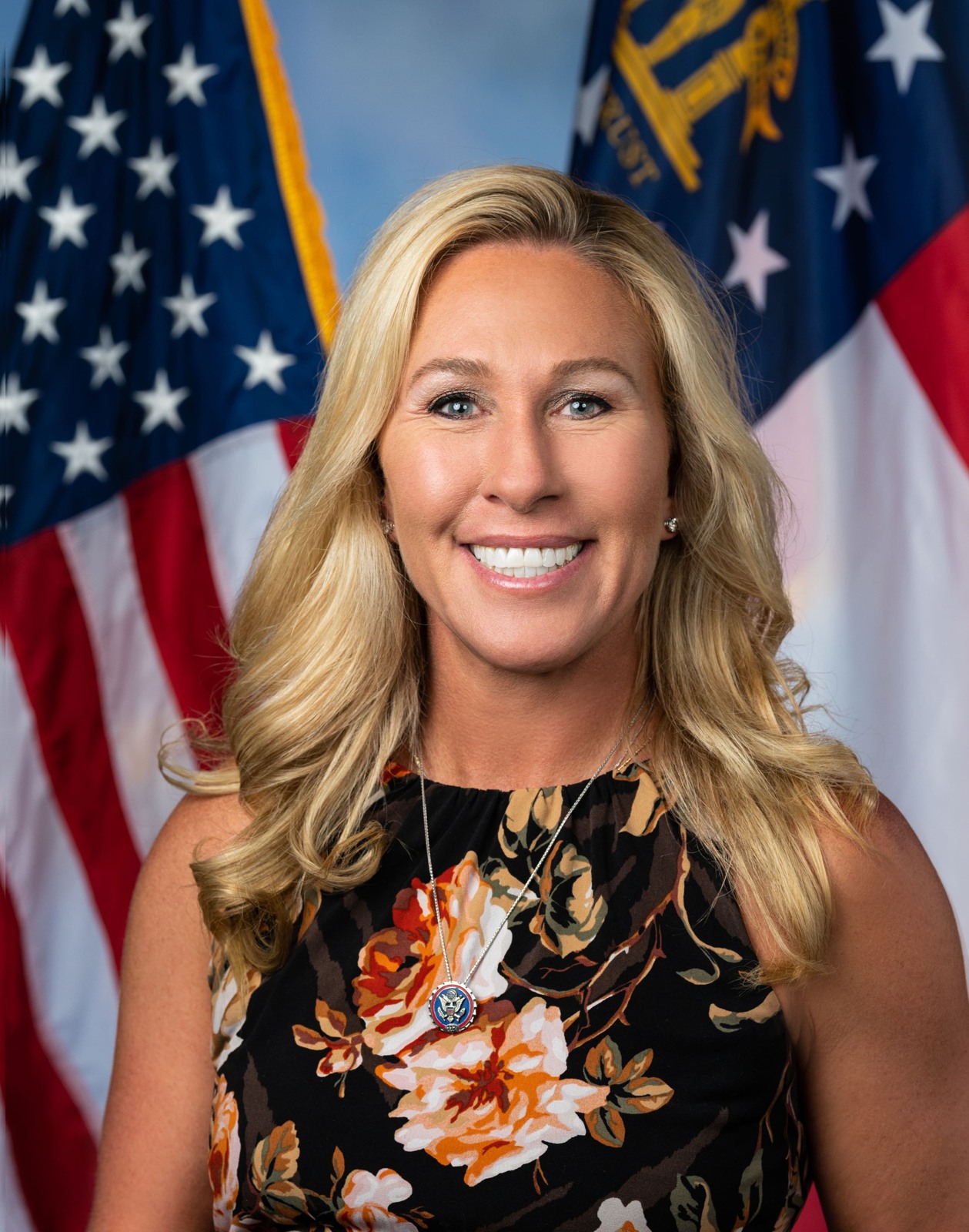
File photograph: Marjorie Taylor Greene’s official 117th Congress portrait, 2022. Photo: House Creative Services, U.S. House of Representatives, public domain, via Wikimedia Commons. Display copy resized and recompressed. This is not a photograph of her October 2026 statement.
Editorial note: This article draws on the linked sources and may include clearly labeled opinion or unconfirmed reports. We have not independently verified every source claim. Publication does not establish an unconfirmed claim as fact; developing details may change.
Facts first. Side-eye included.
DJF separates what is confirmed from what is claimed—and tells you why this particular mess is worth your time.