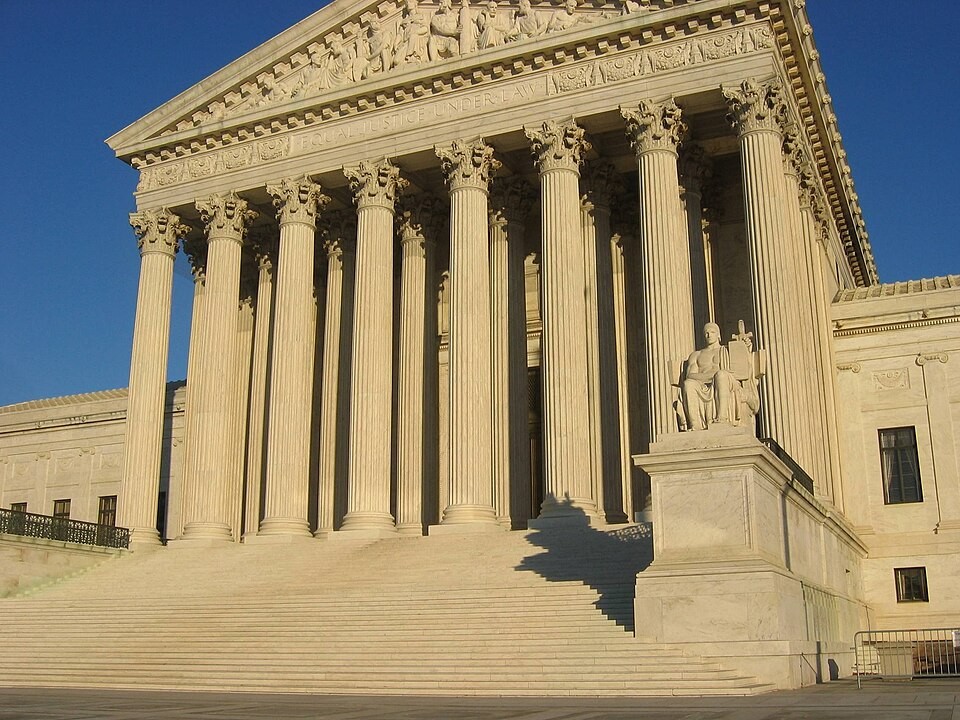
The Kagan democracy remarks have added a blunt new entry to the Supreme Court’s public argument with itself. Speaking October 20, Justice Elena Kagan criticized the conservative majority’s election decisions and their effect on democratic politics, Reuters and AP reported. The institutional group chat has apparently reached the stage where nobody is pretending the notifications are pleasant.
Reuters reports that Kagan linked her criticism to an April voting-rights decision and a June campaign-spending ruling. She argued that the majority had failed to appreciate the consequences outside the courtroom. Her comments came two weeks before the November 3 midterms. These were a sitting justice’s public criticisms, not a new judgment changing election rules.
That distinction matters because a speech can be politically consequential without carrying the force of an opinion. Kagan can explain what she believes the Court has done and why she dissents. Her remarks do not reopen a decided case, issue an injunction or tell election officials to substitute the evening news for controlling law. Cable television may find that limitation inconvenient.
Our take: the interesting argument is about consequences. Constitutional reasoning is often discussed as though it exists in a sealed display case. Election rules operate in an actual political system, where incentives, district boundaries and money affect who competes and how. A disagreement over those effects deserves closer examination than a scoreboard announcing which ideological team had the better quote.
It is also possible to report the criticism without promoting it into an uncontested institutional finding. Kagan is a member of the Court’s liberal wing and a participant in the disputes she discussed. Readers should examine the underlying opinions and dissents when assessing the legal arguments. Her position makes the intervention newsworthy; it does not make every interpretation beyond dispute.
The next development to watch is how the election cases operate in practice and whether future litigation addresses the consequences she identified. For now, the confirmed development is an unusually direct public critique from inside the Court. The marble building remains standing. The polite fiction that everyone inside agrees about its effect on democracy is looking considerably less sturdy.
Sources and photograph
Reuters, October 20 remarks reported October 21 UTC. Associated Press, October 20.
Archival photograph of the Supreme Court building; not the October 20 speech. Photo: Duncan Lock (Dflock); CC BY-SA 3.0. Display copy resized. Where applicable, the resized photograph retains the stated ShareAlike license. Original photograph and rights record. Image-use terms.

More from this Daily Junk Food section.
Facts first. Side-eye included.
DJF separates what is confirmed from what is claimed—and tells you why this particular mess is worth your time.

Dana Side-Eye
Receipts, Rumors & Internet NonsenseDana reads the fine print, checks the timeline, and keeps one eyebrow permanently raised. She covers viral claims, internet pile-ons, and suspiciously convenient explanations.
“Screenshots are forever. So is the side-eye.”