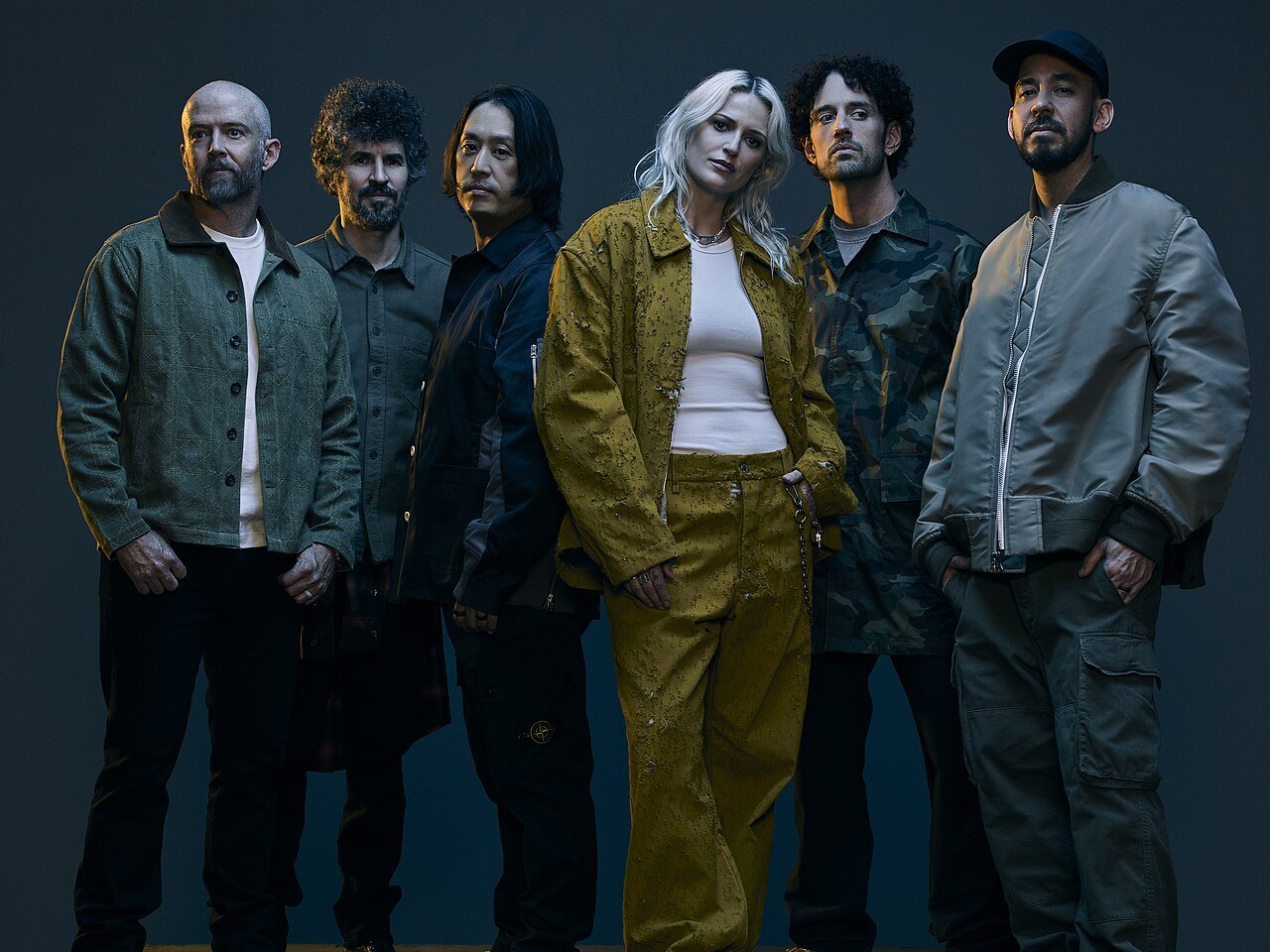
Linkin Park's new documentary Unshatter began as a concert film and became something harder: a record of a band rebuilding after Chester Bennington's 2017 death. Because apparently even nu-metal now has enough history to require archival ethics, grief counseling and a theatrical release.
The film includes performance footage from São Paulo, behind-the-scenes conversations and the group's 2024 return with Emily Armstrong and Colin Brittain. Joe Hahn helped shape the creative direction, while Mike Shinoda discusses the decision to show disagreement, uncertainty and the emotional cost of continuing.
A comeback is not a replacement operation
Adding new members after an iconic singer's death inevitably creates arguments about legacy and loyalty. The documentary does not frame Armstrong as a substitute for Bennington. It presents the current lineup as a new chapter that exists alongside the band's history.
That distinction matters to fans whose relationship with Linkin Park was built through adolescence, depression, anger and songs that became emotional infrastructure. Nostalgia can protect a memory so fiercely that any movement feels like betrayal.
The film ends by returning to Chester
Archival footage of Bennington performing “A Place for My Head” closes the documentary. The choice makes clear that the band's future is not an attempt to edit him out. It carries the loss into the new work.
Entertainment Weekly interviewed Shinoda and Hahn about the documentary on September 30, 2026.
Linkin Park's return will not satisfy every listener, and no documentary can settle a debate rooted in grief. Unshatter is valuable because it does not pretend the debate is simple. The band can honor what ended and still decide it is allowed to continue making noise.
Facts first. Side-eye included.
DJF separates what is confirmed from what is claimed—and tells you why this particular mess is worth your time.

Max Rewind
Gen X Files & Pop-Culture ArchaeologyMax remembers when television ended at midnight, concert tickets were affordable, and nobody called a reboot “content.” He digs through the culture we survived.
“Rewind it, verify it, and please stop remaking everything.”