The MAGA Inc advertising push has reached the stage where a television commercial may soon need to interrupt another television commercial to make room. Reuters reports October 22 that Donald Trump’s political operation unleashed more than $277 million in television and direct-mail advertising during the final six weeks of the midterm campaign. This is a spending report, not an election result.
Citing Federal Election Commission filings, Reuters identifies Texas, Michigan and Ohio Senate contests as major destinations. It reports more than $36 million for the Texas race, $30.1 million for Michigan and over $28 million for Ohio through the political groups involved. Trump separately said he intended to spend $400 million to $500 million by Election Day. An announced intention belongs in a different column from money already spent.
That distinction gets lost remarkably easily when political accounting becomes a spectator sport. A fundraising total, cash remaining, a transfer to another committee and an actual advertising expenditure describe different things. Adding them together because the numbers look impressive is how a campaign war chest becomes a magic purse with the same dollar appearing at several parties.
Our take: the meaningful question is what the spending buys in attention, persuasion and turnout. Repetition can make a message familiar without making its claims true. Viewers should examine the sponsor, the evidence offered and the race actually being discussed. A dramatic narrator has no special constitutional authority, even when accompanied by a photograph rendered in an alarming shade of gray.
The report also describes a late acceleration after Republican anxiety about the pace of spending. That makes timing part of the story. Money arriving near the end can amplify a campaign, but it cannot retroactively create weeks of organizing or guarantee that an undecided voter will appreciate being contacted for the fourteenth time during dinner.
Watch the disclosures and the election, rather than treating a large expenditure as a forecast with a dollar sign. Candidates still need votes. Until those votes are counted, the confirmed development is a very expensive effort to influence them. The commercial break is apparently running for Congress, and it has secured substantial financial backing.
Sources and photograph
Reuters via The Economic Times, October 22.
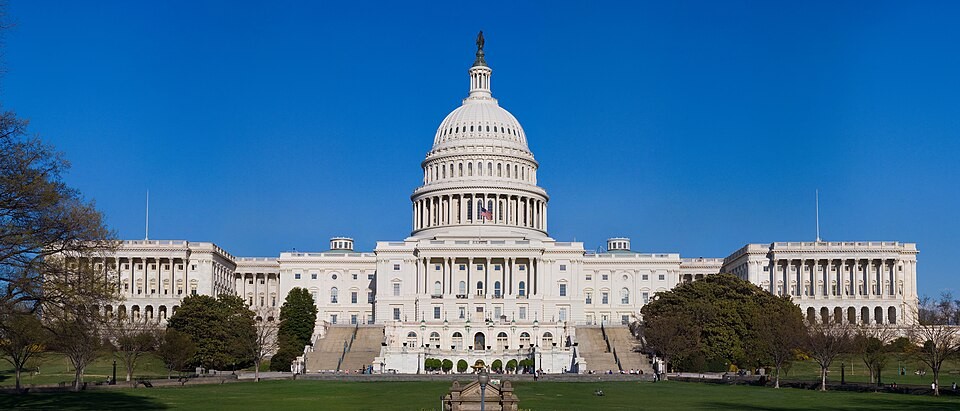
Archival photograph of Congress’s home; not a campaign event or advertisement. Photo: Noclip; Public domain. Display copy resized. Where applicable, the resized photograph retains the stated ShareAlike license. Original photograph and rights record. Image-use terms.

More from this Daily Junk Food section.
Facts first. Side-eye included.
DJF separates what is confirmed from what is claimed—and tells you why this particular mess is worth your time.

Dana Side-Eye
Receipts, Rumors & Internet NonsenseDana reads the fine print, checks the timeline, and keeps one eyebrow permanently raised. She covers viral claims, internet pile-ons, and suspiciously convenient explanations.
“Screenshots are forever. So is the side-eye.”