Nevada election subpoenas are back in the spotlight after an October 15 Reuters report examined seven federal demands sent to Secretary of State Cisco Aguilar’s office between June 16 and September 2. Aguilar says the volume amounts to political pressure on his reelection campaign. That is his allegation, not a judicial finding of improper motive. The paperwork is real; the interpretation still needs evidence.
The timing matters. This is new reporting about an existing series of subpoenas, not seven new subpoenas delivered this morning. Democracy Docket reported the office’s confirmation of the seven demands on September 4. Keeping those dates straight prevents a familiar news problem: yesterday’s file cabinet being wheeled out with a breaking-news siren strapped to it.
Democracy Docket described the requests as concerning voter information and said the office had not supplied additional document details. It also reported a separate dispute over federal access to Nevada’s unredacted registration list, including sensitive personal fields. A demand for records, litigation over access, and a finding that an individual voted unlawfully are different things. None should be casually substituted for another.
Aguilar’s criticism is especially consequential because he oversees elections while seeking another term. An incumbent can have legitimate concerns about pressure and also have an electoral interest in how that pressure is described. Readers should hear his account without treating his status as either automatic proof or automatic disqualification. The same evidentiary standards need to survive contact with both parties’ campaign calendars.
Analysis: election administration requires public accountability, but accountability is not a magic word that settles every question about the scope of a demand. Useful scrutiny asks what information is sought, what legal authority supports obtaining it, how personal data would be protected, and what an agency can actually demonstrate. A dramatic headline about voter records does not answer any of those questions by itself.
Nor does an investigation convert the people listed in a database into proven offenders. Records can contain errors, incomplete fields and information requiring verification. Officials making public claims about registration should distinguish suspected discrepancies from established ineligibility. Otherwise the public gets a very confident accusation with the supporting work scheduled for some later season.
The next useful developments are document disclosures, formal responses and any relevant court decisions. For now, the verified update is Reuters’ examination of the seven earlier subpoenas and Aguilar’s contention that they are being used against him politically. Voters deserve an election system that is both scrutinized and protected from unsupported insinuation. Apparently that remains a two-part assignment.
Sources and photograph
Reuters, October 15, 2026. Democracy Docket, September 4 background.
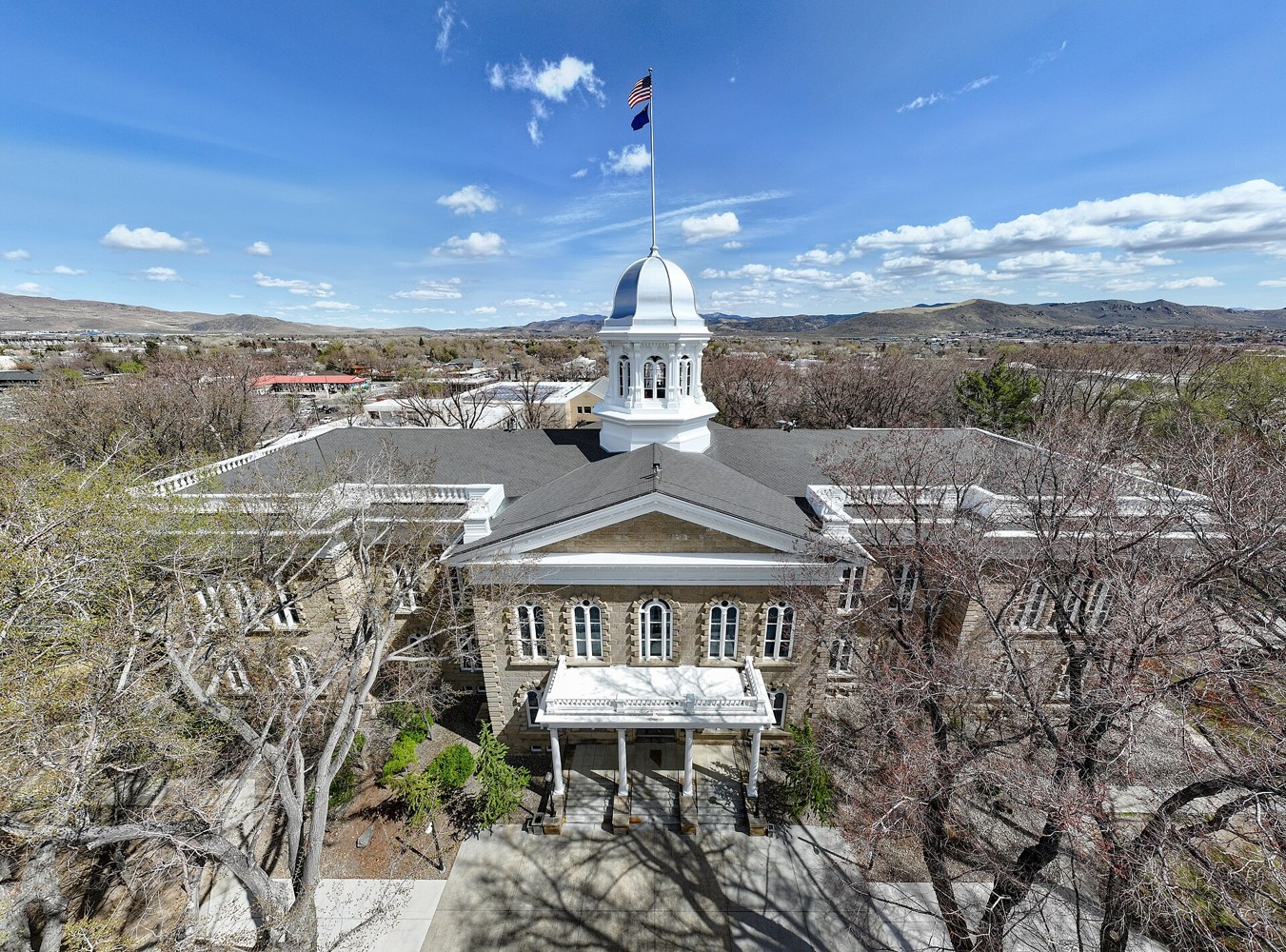
Representative photograph of Nevada’s Capitol; not the delivery of a subpoena or a court proceeding. Photo: Quintin Soloviev; CC0. Display copy resized. Original photograph and rights record. Image-use terms.

More from this Daily Junk Food section.
Facts first. Side-eye included.
DJF separates what is confirmed from what is claimed—and tells you why this particular mess is worth your time.

Dana Side-Eye
Receipts, Rumors & Internet NonsenseDana reads the fine print, checks the timeline, and keeps one eyebrow permanently raised. She covers viral claims, internet pile-ons, and suspiciously convenient explanations.
“Screenshots are forever. So is the side-eye.”