The Ojai owl release is a welcome wildlife update with a grim beginning and a carefully earned ending. ABC7 Los Angeles reported October 22 that a great horned owl treated by Ojai Raptor Center had returned to the wild after months of care. The bird was released in Lancaster at the end of September. The new report does not mean the release happened this morning.
The center identified the owl as Patient 26-224 and said he arrived in April after a rescuer intervened in an alleged attack by teenagers. It described internal trauma and a foot fracture. Following treatment and rehabilitation, the bird regained enough strength for release. ABC7 reported no further details about the alleged attackers; this account should not be expanded into invented arrests, charges or convictions.
Five months of recovery is the part a quick uplifting headline can accidentally erase. A release is a moment. Getting an injured animal to that point involves sustained care and an assessment that it can return. The visible happy ending does not make the work before it simple, instant or available through a motivational quote printed over a sunset.
Our take: the good news belongs to the person who intervened and the rehabilitation team, as well as the owl that recovered. Wildlife stories are often rewritten as personality sketches because people like to imagine a bird has delivered a pointed statement about humanity. This bird does not need dialogue. Flying away after serious injury is already a substantial contribution to the plot.
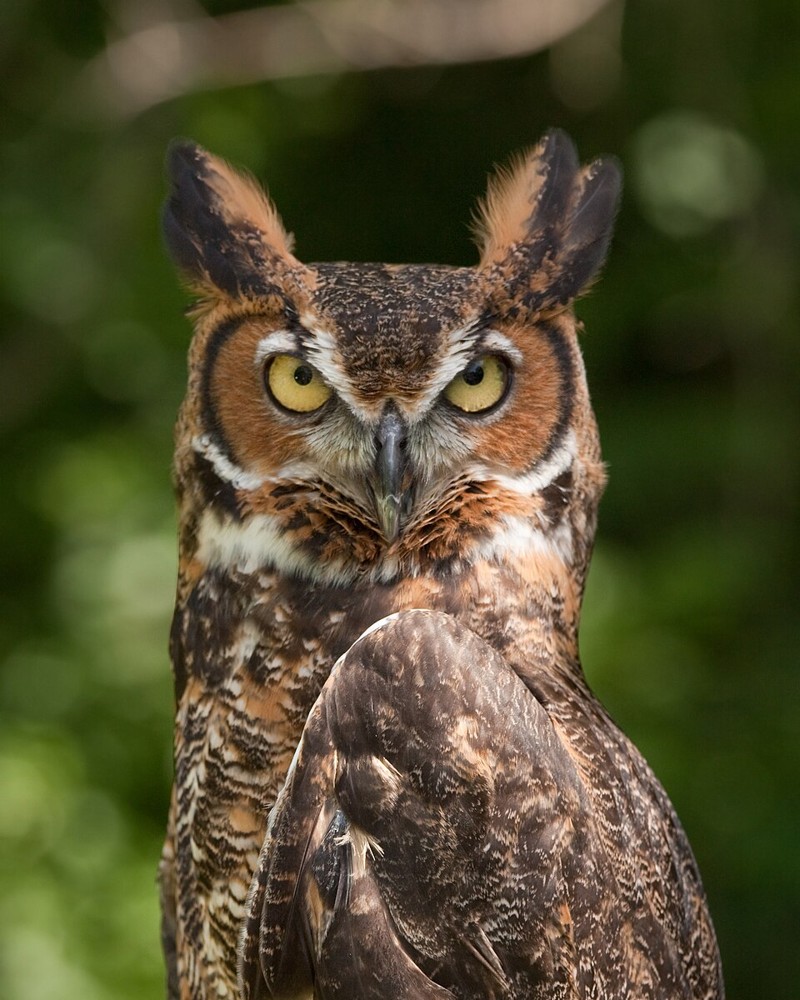
The photograph accompanying this article is a different great horned owl, taken near Cincinnati in 2009. Its representative label matters. A reader should never have to guess whether an attractive species picture documents the specific animal being discussed. The source report links the center’s own treatment images, which remain distinct from the licensed photograph used here.
The confirmed outcome is release after rehabilitation, as reported from the center’s account. It is not a claim that every injured raptor can be saved or that rehabilitation ends every risk in the wild. Sometimes a worthwhile update is simply that patient work gave one animal another chance. Humans have supplied plenty of reasons for an owl to keep its distance; this time, a few supplied the care needed to make that distance possible.
Sources and photograph
ABC7 Los Angeles, October 22, Ojai Raptor Center account.
Representative species photograph from Ohio in 2009; not Patient 26-224, the rescued California owl. Photo: Greg Hume; CC BY-SA 3.0. Display copy resized. Where applicable, the resized photograph retains the stated ShareAlike license. Original photograph and rights record. Image-use terms.

More from this Daily Junk Food section.
Facts first. Side-eye included.
DJF separates what is confirmed from what is claimed—and tells you why this particular mess is worth your time.

Dana Side-Eye
Receipts, Rumors & Internet NonsenseDana reads the fine print, checks the timeline, and keeps one eyebrow permanently raised. She covers viral claims, internet pile-ons, and suspiciously convenient explanations.
“Screenshots are forever. So is the side-eye.”