The Russia fake bear photo fine is a thoroughly modern wildlife story: the bear did not exist, but the consequences did. Reuters reported October 14 that a woman in Magdagachi, in Russia’s Amur region, was fined 15,000 roubles after an AI-generated picture spread online and prompted an actual search. The joke apparently escaped its enclosure faster than any real animal.
According to the court accounts, she created the image in September and sent it to a friend as a prank. It depicted a brown bear in a local street. RAPSI reported the court considered mitigating circumstances in reducing the fine and ordered the return of a seized phone. These are reported details of this case, not a general statement that every synthetic wildlife image receives the same penalty.
The important distinction is between the false sighting and the real response it provoked. A convincing-looking image can send people looking for a threat that is not there. It can also circulate beyond the original sender’s explanation. Once an image has been forwarded into several chats, the intended joke may be the only part that fails to travel with it.
Analysis: the ordinary social machinery matters as much as the software. People trust a familiar street, a frightened neighbor or a message from someone they know. A synthetic image can exploit those cues without needing an elaborate conspiracy. Yesterday’s neighborhood warning chain has acquired a special-effects department, and apparently the department does not require adult supervision.
That does not mean every surprising animal picture should be dismissed as fake. Real wildlife encounters occur, and a blanket assumption that nothing is authentic is another way to become badly informed. Verification asks where the image originated, whether there is an identifiable firsthand witness, and whether responsible local authorities have confirmed the incident. The goal is to check, not to perform cynicism.
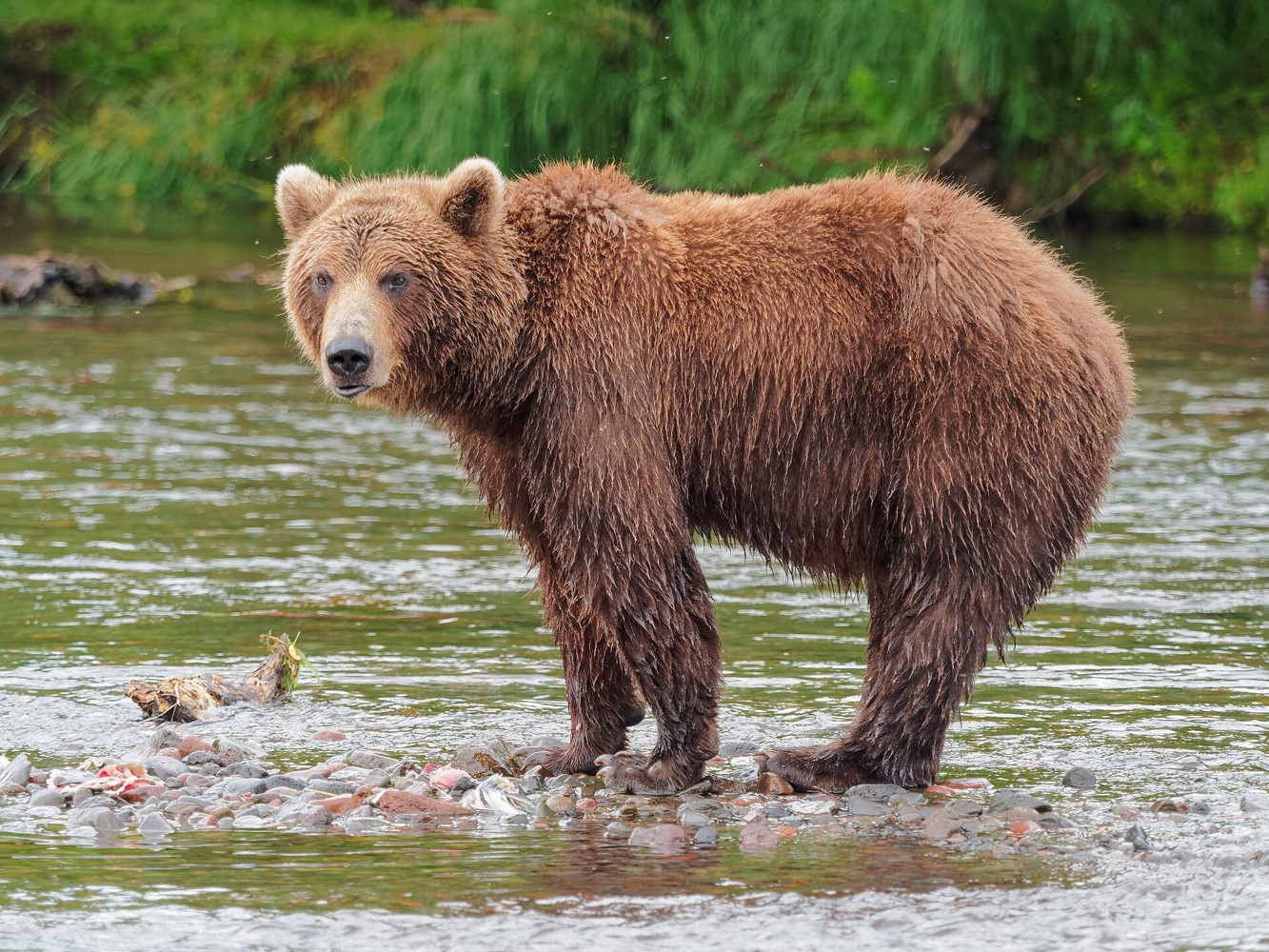
This article uses a plainly labeled photograph of a real bear elsewhere in Russia, not the fabricated image from the case. That choice matters: placing an unlabeled wildlife photo beside a story about a false sighting could accidentally supply a second misleading image. A representative photograph should establish context without impersonating evidence from the event.
The verified update is a fine following a fake image that produced a real search. The wider lesson is less glamorous than another argument about whether computers are creative: forwarding a frightening claim is an action with possible consequences. Before sending the neighborhood into bear mode, spend a minute checking whether the bear exists. Civilization has managed harder assignments, though the group chat may disagree.
Sources and photograph
Reuters, October 14, 2026. RAPSI, October 13 court account.
Representative photograph of a real bear in Kamchatka; not the fabricated image, Magdagachi, or an animal involved in this incident. Photo: Robert F. Tobler; CC BY-SA 4.0. Display copy resized. Original photograph and rights record. Image-use terms.

More from this Daily Junk Food section.
Facts first. Side-eye included.
DJF separates what is confirmed from what is claimed—and tells you why this particular mess is worth your time.

Wade Crowley
Strange News & Small-Town WeirdWade collects stories that begin with “You are not going to believe what happened at the Walmart.” He covers odd crime, local legends, UFOs, and reality losing the plot.
“Somewhere, a police report is already getting weirder.”