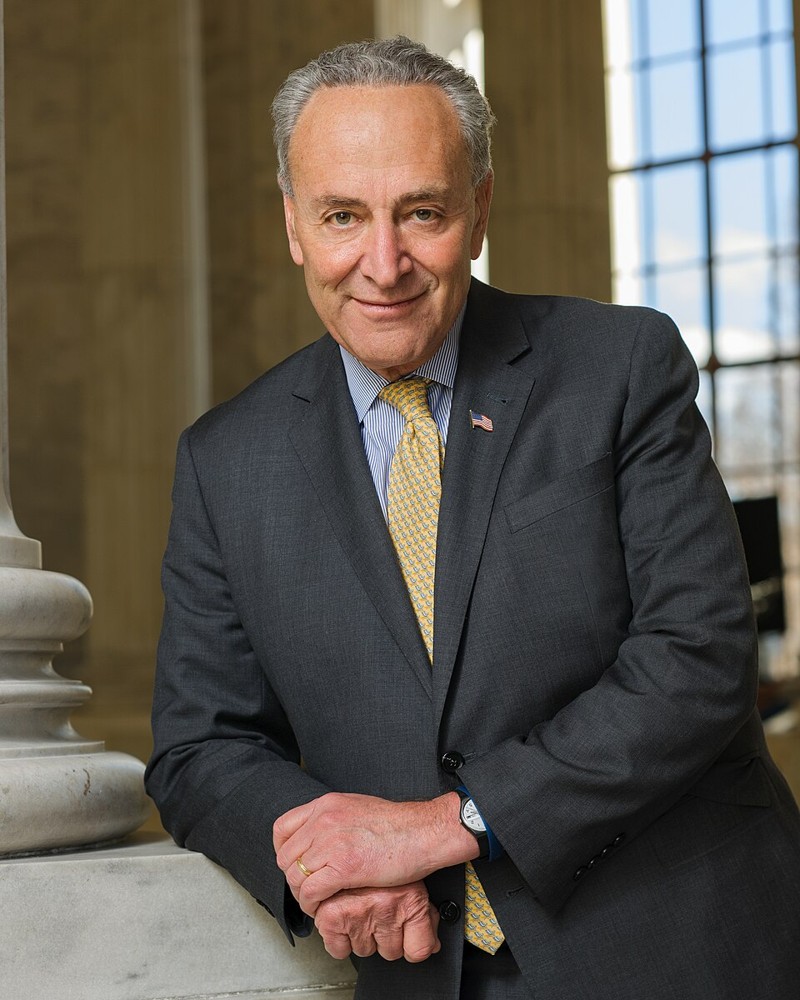
AI political robocalls are back in the argument over what, exactly, your cellphone has done to deserve election season. On October 19, Chuck Schumer urged the FCC to reject a Club for Growth petition seeking permission for political calls using artificial or prerecorded voices without prior express consent. The important accompanying detail: an FCC spokesperson told Reuters the agency has no plans to grant it.
Reuters reports that the comment period closes Monday. Democratic commissioner Anna Gomez warned about possible action close to the November 3 election, while the FCC spokesperson said there was no expressed interest in moving to an order. Those are different statements from different speakers. Neither amounts to an announcement that unsolicited AI campaigning has just received a regulatory green light.
Club for Growth frames its request as equal treatment for political expression compared with some other wireless calls. Schumer frames it as a route to deceptive messages, potentially using an opponent’s voice. That is the dispute. This article does not report an approved exemption or a newly documented batch of impersonation calls arising from it.
Our take: consent is not an ornamental feature of a phone. An argument about protected political speech still leaves a separate question about how that speech reaches a person who never asked for it. Campaigns are capable of believing deeply in liberty while displaying remarkable enthusiasm for occupying the part of your afternoon between lunch and a dental reminder.
The voice issue adds another layer. A listener should not have to perform audio forensics before deciding who supposedly said something. But the regulatory story also needs its own identity check. A petition is a request, opposition is not a ruling, and a spokesperson’s account of agency plans is not the text of a final order. Flatten those distinctions and the article becomes the sort of misleading message it is criticizing.
For now, the concrete update is the October 19 opposition and the agency’s reported response. Watch for an actual FCC disposition rather than assuming the loudest warning describes a completed change. Your phone may already have enough opinions in it; we do not need to manufacture another policy decision just to make it ring.
Sources and photograph
Reuters, David Shepardson, October 19, via AOL.
Archival official Senate portrait, March 2017. Not an October 19 appearance. Photo: U.S. Senate Photographic Studio/Jeff McEvoy; Public domain (U.S. Congress). Display copy resized. Where applicable, the resized photograph retains the stated ShareAlike license. Original photograph and rights record. Image-use terms.

More from this Daily Junk Food section.
Facts first. Side-eye included.
DJF separates what is confirmed from what is claimed—and tells you why this particular mess is worth your time.

Dana Side-Eye
Receipts, Rumors & Internet NonsenseDana reads the fine print, checks the timeline, and keeps one eyebrow permanently raised. She covers viral claims, internet pile-ons, and suspiciously convenient explanations.
“Screenshots are forever. So is the side-eye.”