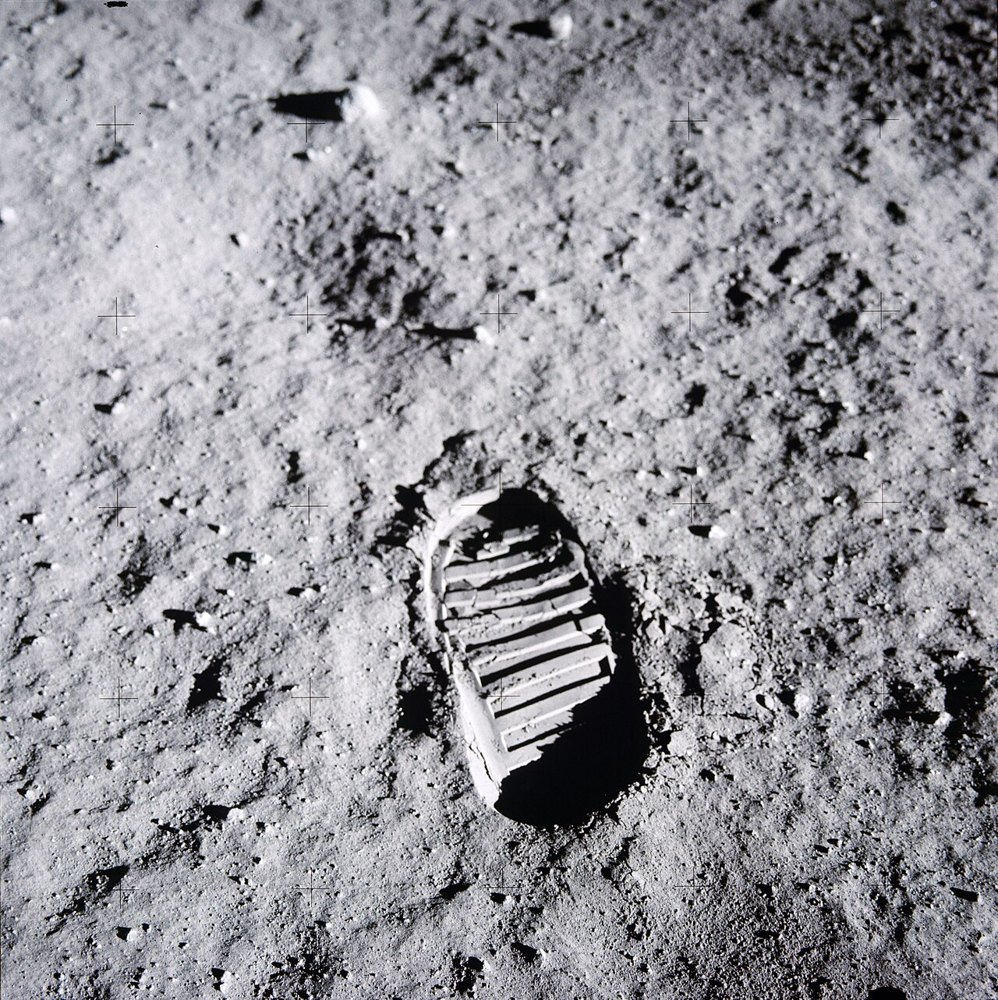
Researchers have proposed searching lunar soil for microscopic particles that might be technological rather than natural. The idea is not that the Moon is hiding a crashed saucer under a tarp. It is that its undisturbed regolith may preserve tiny debris that crossed interstellar space over billions of years.
Lewis Pinault's preprint combines models of dust transport, lunar geology and impact processes with modern laboratory analysis. The work offers the first quantitative framework for asking how much soil scientists would need to examine and what a null result could actually tell us.
A cubic meter could put limits on a giant question
Under the study's assumptions, analyzing roughly a cubic meter of carefully selected lunar regolith could begin constraining how much durable artificial material technological civilizations might have released across Galactic history. Even finding nothing would narrow certain scenarios.
Candidate particles would need unusual composition, structure or isotopic characteristics that natural geology could not readily explain. Researchers would also need rigorous contamination controls; humans have already delivered plenty of our own engineered debris to the Moon.
This is a proposal, not alien confirmation
The paper is a preprint under review, and no extraterrestrial manufactured particle has been found. The verified development is a testable search strategy. The speculation is that alien civilizations produced material capable of reaching lunar soil.
The SETI Institute described the proposal in September 2026, and the underlying preprint is public. It is wonderfully scientific: take one of humanity's largest questions and attack it with a microscope, statistics and an aggressive intolerance for mystery glitter.
Facts first. Side-eye included.
DJF separates what is confirmed from what is claimed—and tells you why this particular mess is worth your time.

Wade Crowley
Strange News & Small-Town WeirdWade collects stories that begin with “You are not going to believe what happened at the Walmart.” He covers odd crime, local legends, UFOs, and reality losing the plot.
“Somewhere, a police report is already getting weirder.”