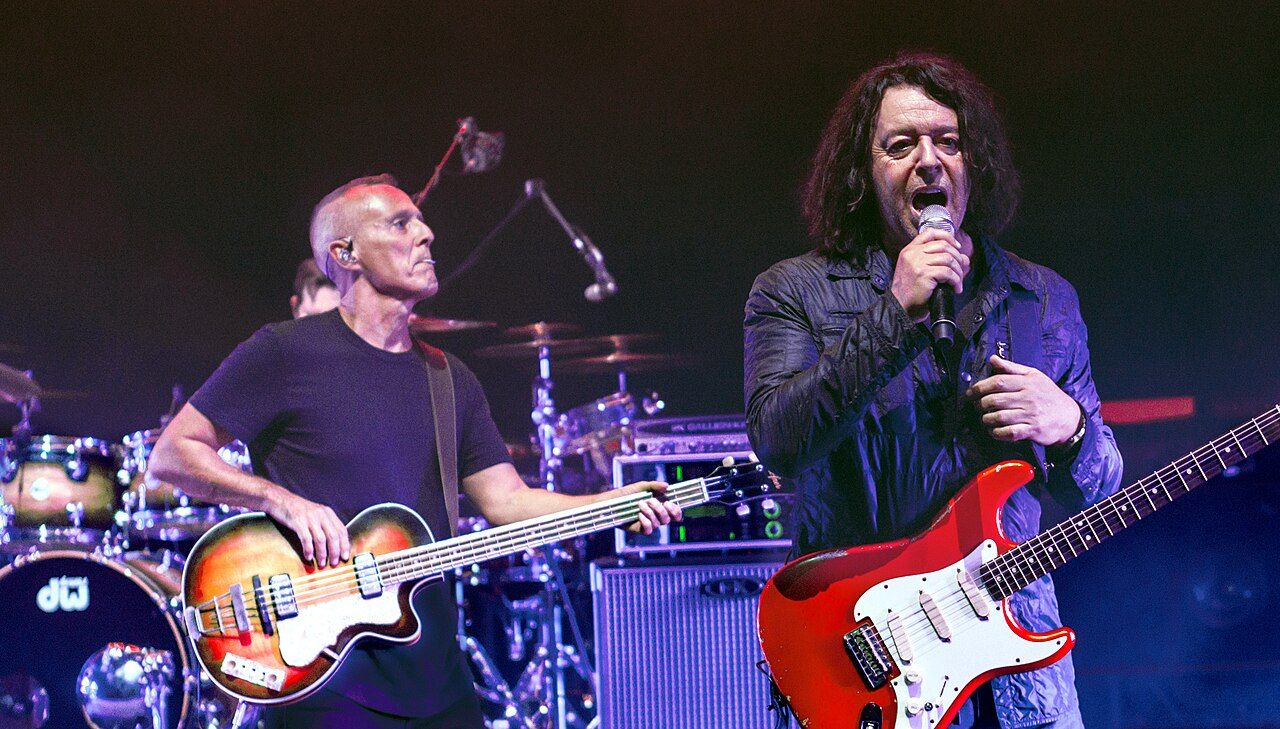
Tears for Fears named itself after primal-therapy ideas and then made psychological distress catchy enough for shopping malls. Roland Orzabal and Curt Smith understood the central Gen X challenge: process your childhood, but please finish before the cassette flips.
The darkness came before the stadium choruses
The band’s 1983 debut, The Hurting, dealt openly with childhood trauma and emotional isolation. “Mad World,” “Pale Shelter” and “Change” wrapped anxious ideas in precise synthesizers. It was sad music you could dance to, which is practically the Gen X municipal anthem.
Songs from the Big Chair expanded everything. “Everybody Wants to Rule the World,” “Shout” and “Head Over Heels” became global hits, balancing political anxiety and personal frustration with enormous melodies.
They survived the breakup chapter
Smith left during the early 1990s, while Orzabal continued recording under the Tears for Fears name. The two eventually reconciled and released Everybody Loves a Happy Ending in 2004. In 2022, The Tipping Point became their first new studio album together in 17 years.
Orzabal released an astrology-framed memoir in 2026, and Tears for Fears remains visible through touring and new high-profile appearances. The band’s return never felt like karaoke because the newer work acknowledged age, grief and survival.
“Everybody Wants to Rule the World” still sounds effortless, even though the subject is ambition, power and collapse. That is the Tears for Fears trick: hand listeners an existential crisis with a bass line good enough to drive home to.
Facts first. Side-eye included.
DJF separates what is confirmed from what is claimed—and tells you why this particular mess is worth your time.

Max Rewind
Gen X Files & Pop-Culture ArchaeologyMax remembers when television ended at midnight, concert tickets were affordable, and nobody called a reboot “content.” He digs through the culture we survived.
“Rewind it, verify it, and please stop remaking everything.”