Reporting and labeled analysis · October 26, 2026
Reporting — the dinner and the post are different dates
President Donald Trump attacked Bill Maher in a lengthy October 25 Truth Social post after the comedian’s latest Real Time broadcast, according to Deadline. Their second White House dinner took place October 15, with Stephen A. Smith and Kid Rock also attending, the outlet reported.
The new development is the public attack, not a newly held dinner. Maher discussed the visit on his October 23 show; Trump’s response followed Sunday. This article is published October 26.
Deadline reported that Maher’s representative did not immediately respond to its request for comment. That is the outlet’s reporting status, not a claim that Daily Junk Food conducted an interview or obtained a separate response.
What each man put into public
In the statement reproduced by Showbiz411, Trump said he would not appear on Maher’s show and told the host, “Don’t call anymore.” He portrayed the meeting as a waste of time and accused Maher of catering to his audience. Those are Trump’s characterizations, not findings about Maher’s private motives.
TV Insider’s account of the October 23 episode shows Maher defending his willingness to attend the dinners while continuing to criticize the president. He described discussing political disagreements during the visit rather than announcing an endorsement.
There is also a dispute over the length of the evening: Maher described four hours, while Trump said roughly two or less. The accounts reviewed here do not independently settle that difference. Fortunately, nobody needs a stopwatch verdict to understand the larger public disagreement.
Our analysis: dinner is not a loyalty subscription
A meal can be cordial. A comedian can leave it and still make jokes about the host. That arrangement is so ordinary it normally does not require an explainer, much less a presidential post with the energy of a restaurant review written after the refund was denied.
The accountability question is what access produces. A friendly meeting may allow a difficult conversation. It may also generate flattering photographs, competing recollections and a week of programming. The invitation itself tells the audience very little about which of those outcomes happened.
Maher’s willingness to dine with Trump does not require viewers to applaud the choice. Trump’s willingness to host Maher does not purchase editorial control over the next monologue. Both men can defend their decisions in public, and the audience can assess the substance rather than the seating chart.
That is why the useful test is specific: what did the broadcaster ask, what did the president answer and what changed afterward? A warm description of the evening is not a substitute for those answers. Neither is a later barrage of insults.
Keep the ratings fight in its proper box
The exchange also includes competing claims about popularity and audiences. This article does not adopt those numbers as verified measurements. A political approval poll, television audience data and a performer’s joke are different things, even when everyone would prefer to throw them into one convenient scoreboard.
Our view: the dinner circuit works better as a story about access and independence than as a personality contest. If an invitation can coexist with criticism, it may be useful. If the expected dessert is permanent gratitude, the terms should have been printed on the menu.
Readers can compare the October 23 broadcast account with the October 25 response in the sources below. There is enough in the documented public exchange to discuss without inventing what either man secretly thought at the table.
Related coverage
More Politics & Power coverage
Sources and photograph
- Deadline: Ted Johnson’s October 25 reporting on Trump’s post
- Showbiz411: October 25 report reproducing Trump’s statement
- TV Insider: October 24 report on Maher’s October 23 broadcast
- David Shankbone photograph: source, date and license
- Creative Commons Attribution-ShareAlike 3.0 license

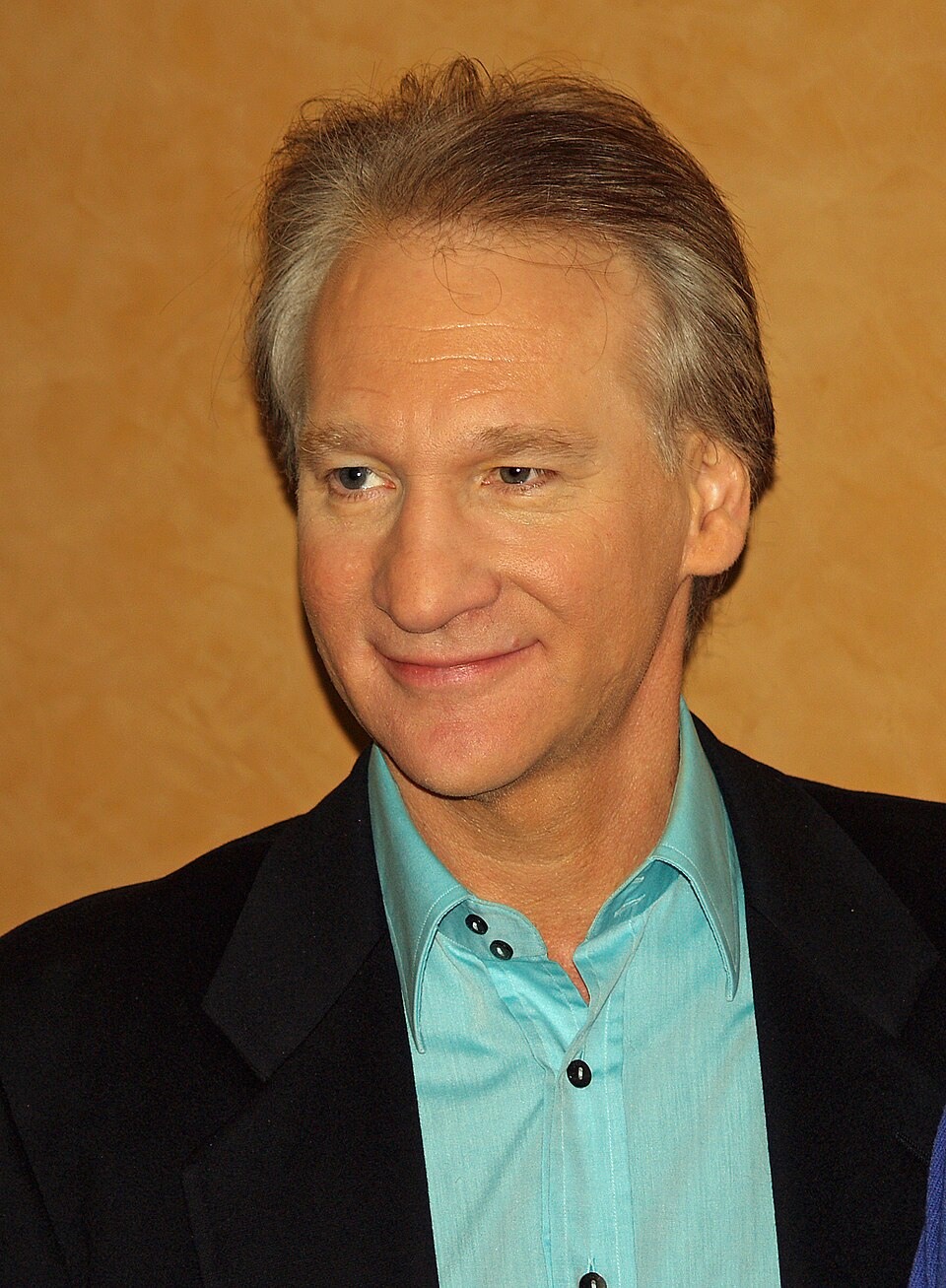
File photograph: Bill Maher at a PETA screening of I Am An Animal: The Story of Ingrid Newkirk and PETA, November 2007. Photo: David Shankbone, via Wikimedia Commons, CC BY-SA 3.0. Resized and recompressed display copy retains that license. This does not depict the October 2026 White House dinner or television episode.
Editorial note: This article draws on the linked sources and may include clearly labeled opinion or unconfirmed reports. We have not independently verified every source claim. Publication does not establish an unconfirmed claim as fact; developing details may change.
Facts first. Side-eye included.
DJF separates what is confirmed from what is claimed—and tells you why this particular mess is worth your time.