Donald Trump and Vice President JD Vance announced a $25 million whistleblower program on October 20 aimed at encouraging reports of alleged fraud involving federal money. The administration is presenting it as a public invitation to help identify waste and abuse. A hotline with a prize pool is certainly one way to give government accounting the atmosphere of a daytime game show.
The important word is alleged. A report from a member of the public may give investigators a lead, but it is not a finding, a conviction or proof that the person or organization named did anything wrong. The announcement creates a reporting mechanism and financial incentives. It does not repeal evidence, due process or the deeply unfashionable practice of checking whether a claim is true.
The $25 million figure describes the program’s potential rewards, not a payment automatically divided among everyone who submits a suspicious screenshot. Details about eligibility, standards, award decisions and protection against malicious reports will determine how the program works in practice. Those operational rules matter more than the size of the number displayed behind the podium.
Our take: fraud reporting can be useful, and attaching money to accusations can also produce an impressive quantity of accusations. America has already demonstrated that an online form plus a political grievance is a renewable resource. Agencies will need a serious screening process so investigators spend their time on documented misconduct rather than somebody’s uncle deciding that a grant he dislikes must be criminal.
The announcement lands two weeks before the November 3 midterm election, which makes the political packaging impossible to miss. That timing does not by itself invalidate the program. It does mean coverage should separate the policy from the campaign message and wait for measurable results before calling it either a historic triumph or the collapse of civilization.
A meaningful follow-up will identify the formal rules, the administering offices, the number of credible referrals and any money actually recovered. Raw tip counts would be a weak success measure because a system can generate noise faster than accountability. The public deserves to know whether the process identifies substantiated cases and protects people from reckless claims.
For now, the verified development is the October 20 announcement and its $25 million ceiling. Nobody has earned a reward merely by repeating an accusation on social media. If the program is going to improve government oversight, the least glamorous part—documentation, review and transparent outcomes—will have to do the actual work.
Sources and photograph
Associated Press report republished by WSLS, October 20. White House releases page, October 20.
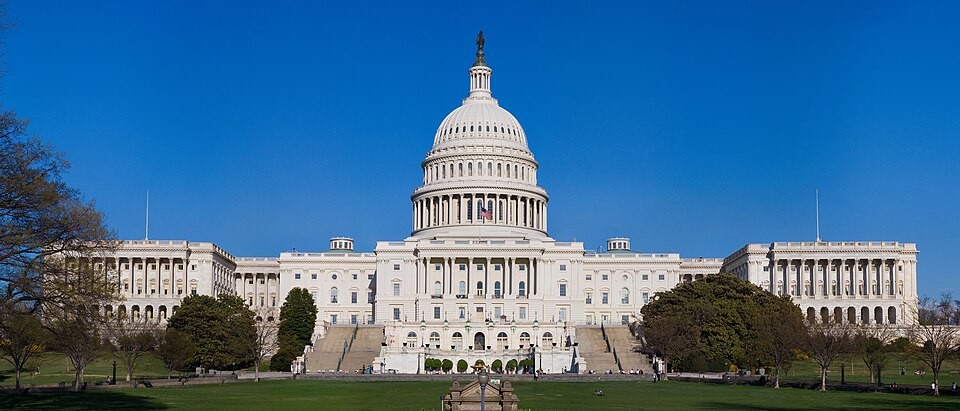
Representative archival photograph of the U.S. Capitol; not the October 20 announcement or a whistleblower report. Photo: Noclip; Public domain. Display copy resized. Where applicable, the resized photograph retains the stated ShareAlike license. Original photograph and rights record. Image-use terms.

More from this Daily Junk Food section.
Facts first. Side-eye included.
DJF separates what is confirmed from what is claimed—and tells you why this particular mess is worth your time.

Dana Side-Eye
Receipts, Rumors & Internet NonsenseDana reads the fine print, checks the timeline, and keeps one eyebrow permanently raised. She covers viral claims, internet pile-ons, and suspiciously convenient explanations.
“Screenshots are forever. So is the side-eye.”