Gen X Files · Opinion
A portable cassette player had a remarkably clear job description: play the damn tape. It was not especially good at several other things. Finding the start of a song could require patience, luck and a temporary belief that you understood the counter. A chewed cassette could turn an ordinary afternoon into a pencil-based recovery operation.
But it did not interrupt the chorus to explain that somebody had reacted to a photograph of a sandwich. That counts for something.
The original promise was pleasantly simple
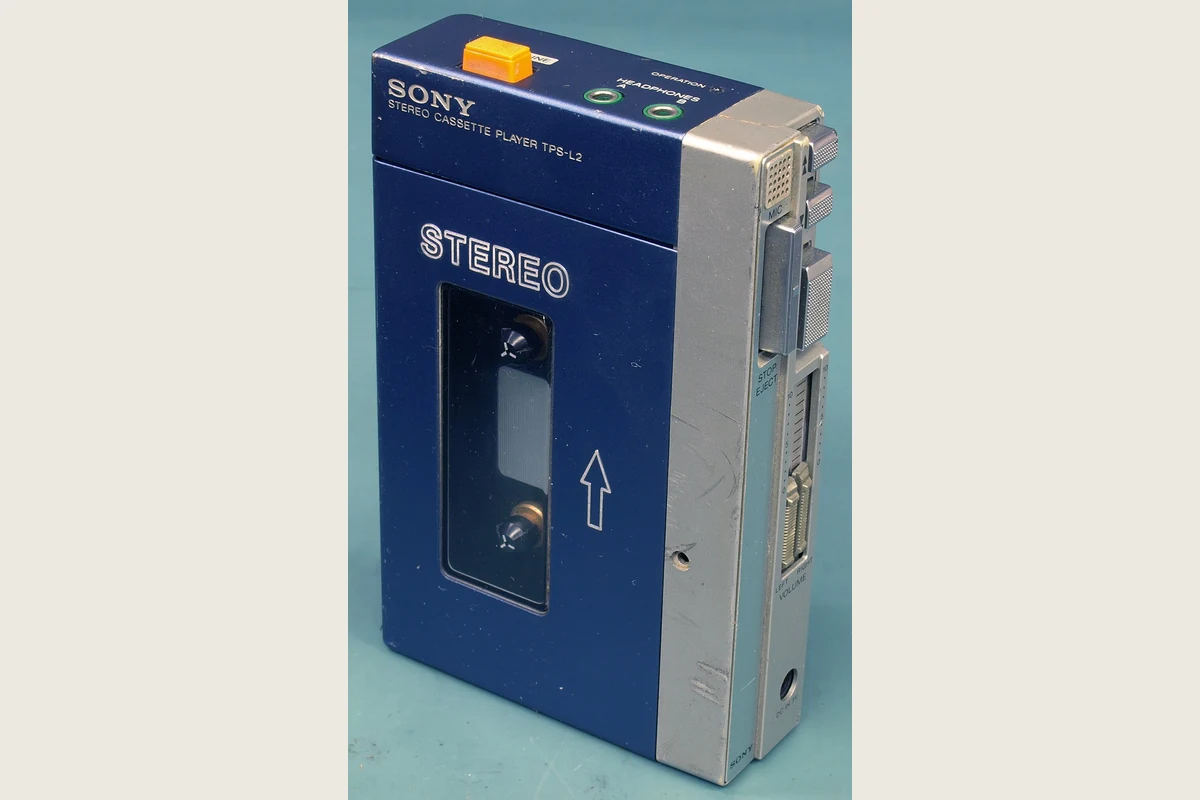
Sony dates the first Walkman, the TPS-L2, to July 1, 1979. Its historical account describes a player built by removing the recording function and speaker from a cassette recorder and adding stereo circuitry and a headphone connection.
That is a useful detail. The machine became distinctive partly by doing less. It gave the listener a particular activity instead of attempting to become the administrative center of human existence.
The argument here is not that everyone should hunt down a vintage player. Old electronics can be temperamental. So can people discussing old electronics. Neither needs to be invited into your house without a reason.
The music had your attention because there was less competing for it
A dedicated player made the boundary fairly obvious. You put on headphones and listened. You might still be walking, riding somewhere or staring dramatically through a window, because apparently every generation needs its own low-budget music video. But the machine itself was not simultaneously presenting messages, shopping suggestions and breaking developments in an argument you never joined.
A phone combines those activities. That is tremendously useful until “I am choosing a song” becomes “I have spent twenty minutes elsewhere and somehow purchased storage.” The problem is not that a cassette was morally superior. It is that a single-purpose device made it harder to wander into seven unrelated tasks by accident.
Making a tape meant making choices
A mixtape had an ending. You had to think about order, mood and whether the final track would fit. Sometimes the result was thoughtful. Sometimes it was an elaborate way to avoid saying you liked somebody. Either way, it required choosing one thing after another instead of keeping every possible next song available forever.
You can still make that kind of sequence with a playlist. The interesting part is the intention, not the plastic. Choose the songs yourself. Give the collection a beginning and an ending. Resist adding thirty extra tracks because commitment suddenly feels expensive.
You can borrow the ritual without buying the hardware
Pick an album or a short playlist before you begin. Download it through your service if your plan supports that option, or use music you already have. Use your phone’s notification controls if you want fewer interruptions. Then let the selection play without constantly checking whether another choice might be better.
This is a listening experiment, not a wellness prescription or a productivity system with a subscription tier. If a song is terrible, skip it. Nostalgia does not entitle filler to hold you hostage.
Remember the annoyance as well as the charm
The past becomes less interesting when we sand off every inconvenience. Portable players needed batteries. Tapes could wear out. Carrying a limited selection meant discovering, too late, that your chosen mood was wrong for the journey.
Those details do not ruin the memory. They make it recognizable. Gen X nostalgia gets better when it includes the irritating bits instead of turning every household object into evidence that civilization peaked beside a stack of blank cassettes.
For another angle on the same argument, read why a physical music collection still has a point, then explore the rest of the Gen X Files.
The headphones still work. The soundtrack is still available. The trick is persuading the tiny office in your pocket to take its lunch break somewhere else.
Photo: Binarysequence / CC BY-SA 4.0. Resized and padded for display; photograph content unchanged.

Facts first. Side-eye included.
DJF separates what is confirmed from what is claimed—and tells you why this particular mess is worth your time.