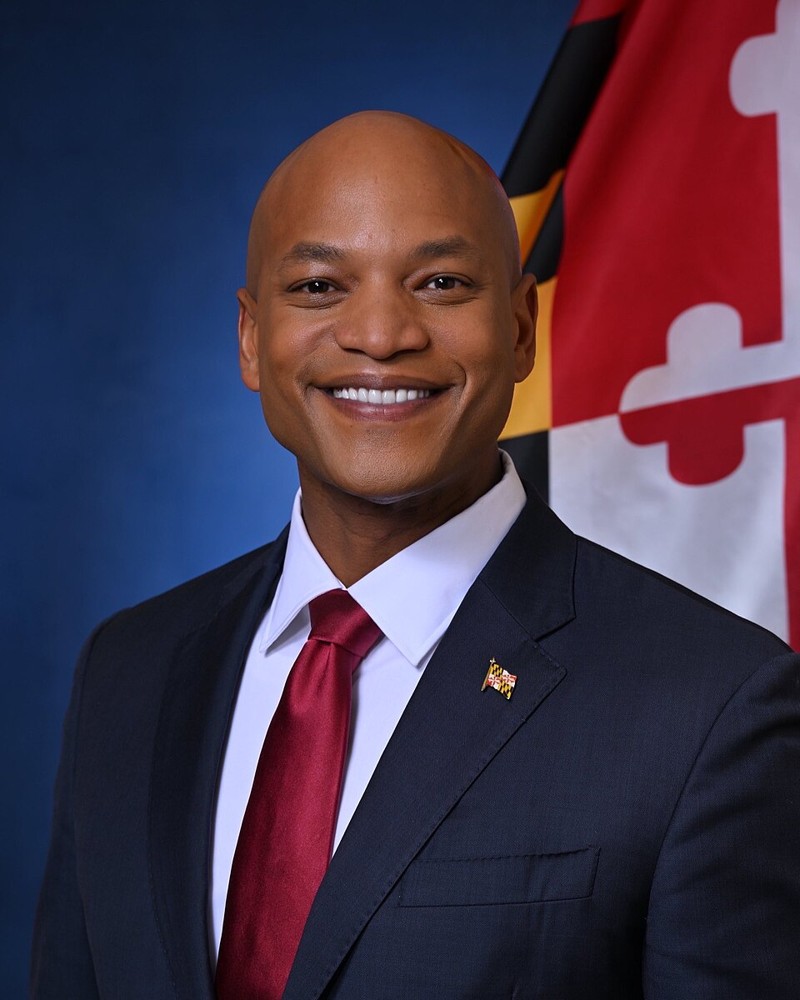
The Moore lookalike ad dispute gives Maryland voters one more chore before casting a ballot: checking whether familiar campaign colors actually belong to the familiar campaign. Governor Wes Moore’s lawyers demanded Wednesday that Truth for Maryland remove an advertisement opposing Question 3. The governor supports the measure. The palette, apparently, has developed independent political ambitions.
Maryland Matters reports October 22 that the group used Moore’s image and similar purple-and-gold styling while urging support for his reelection and opposition to the redistricting amendment. Moore’s lawyers alleged voter confusion and referred the matter to election officials. PAC chair Andrew Brightwell defended the group, said it supports Moore and rejected the demand. A cease-and-desist letter is a demand, not a court order.
Question 3 concerns constitutional restrictions on congressional redistricting. The ad therefore combines two choices that can be separated on a ballot: support for a candidate and support for an amendment. A voter can agree with a governor on one and disagree on the other. The controversy is whether the presentation obscures the governor’s own position while borrowing the visual language associated with him.
Our take: political communication can mislead through design even when a viewer is technically supplied with words to read. A face, a font and a familiar color scheme can imply a source before the narrator reaches the final sentence. That is why identifying the sponsor and checking the candidate’s actual position are more useful than assuming a recognizable look is a reliable endorsement.
The legal question is separate from the editorial one. Political speech has substantial protection, and Maryland Matters quotes a lawyer cautioning against assuming the demand can simply shut the ad down. Readers should distinguish an allegation of deception from a legal finding. Disliking a tactic does not tell us in advance what a regulator or judge will do with it.
The immediate practical step is to read the amendment itself and compare the sponsor’s message with Moore’s stated support. Watch for a response from election officials or any actual litigation. For now, a campaign is protesting the borrowing of its visual identity while the borrower says it remains a supporter. Maryland has managed to turn “with friends like these” into an advertising format.
Sources and photograph
Maryland Matters, Bryan P. Sears, October 22.
Archival official portrait from January 2023; not the disputed advertisement. Photo: Maryland State Government; CC BY-SA 4.0. Display copy resized. Where applicable, the resized photograph retains the stated ShareAlike license. Original photograph and rights record. Image-use terms.

More from this Daily Junk Food section.
Facts first. Side-eye included.
DJF separates what is confirmed from what is claimed—and tells you why this particular mess is worth your time.

Dana Side-Eye
Receipts, Rumors & Internet NonsenseDana reads the fine print, checks the timeline, and keeps one eyebrow permanently raised. She covers viral claims, internet pile-ons, and suspiciously convenient explanations.
“Screenshots are forever. So is the side-eye.”