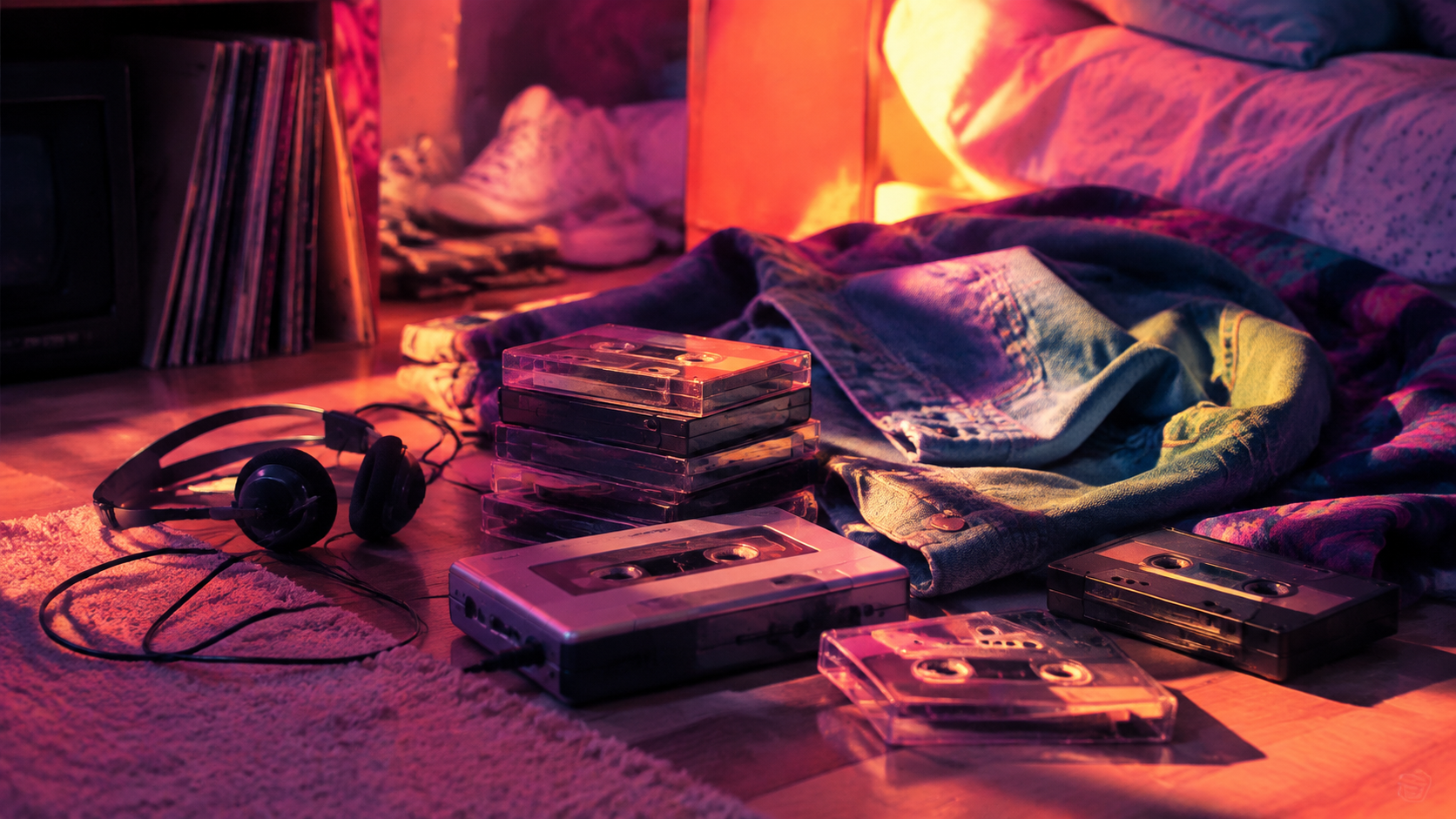
Cassette tapes were once the medium people tolerated until something better arrived. They hissed, tangled, snapped and occasionally emerged from a car stereo looking like magnetic spaghetti. Now they are back on merch tables and collector shelves.
Apparently time heals everything, including the memory of rewinding.
A cassette is an object
Streaming gives listeners access to enormous libraries without requiring storage space. A cassette does the opposite. It contains one album, occupies physical space and asks you to make a decision before pressing play.
That limitation can feel refreshing. The case has artwork. The shell has color. The tiny folded insert contains credits you can read while listening. Music becomes something you hold rather than a file that disappears when the app changes.
The ritual is part of the appeal
Using a cassette requires steps: choose a tape, open the case, insert it, press a mechanical button and flip sides. None of this is efficient. Efficiency is precisely what some listeners are escaping.
Digital life removes friction until every experience feels identical: tap glass, receive content. Physical media restores small differences. Records require care. CDs reflect light. Cassettes clunk.
Scarcity makes a souvenir
Artists can produce limited cassette runs more affordably than elaborate vinyl editions, making tapes useful as collectible merchandise. Fans are not always buying them as their primary listening format. They are buying a physical connection to a release, concert or moment.
The cassette becomes part music format, part art object and part proof that you were there before the run sold out.
Nostalgia recruited a new audience
Older listeners remember mixtapes, car decks and recording songs from the radio while praying the announcer would stop talking. Younger listeners encounter cassettes without remembering the inconvenience. To them, the format looks deliberate, colorful and slightly mysterious.
That is how obsolete technology becomes fashionable: the daily frustration fades, leaving only personality.
Cassettes are not replacing streaming. They are doing something streaming cannot—turning an album into a small, imperfect object with two sides and a history of eating itself.
Still hungry?
Daily Junk Food serves up celebrity chaos, strange headlines, UFOs, nostalgia, internet nonsense, and whatever everyone will be talking about next. Grab the newest stories or share this one with someone who appreciates news with no nutritional value.
Written by the Daily Junk Food Editorial Team.
Facts first. Side-eye included.
DJF separates what is confirmed from what is claimed—and tells you why this particular mess is worth your time.