The Austin estate sale grenades story is a reminder that “vintage” describes an age, not a safety certification. A buyer sorting through purchased boxes found suspected World War II-era grenades, prompting a police perimeter and a bomb-squad response. The incident occurred Monday, October 12, and received further coverage October 15. It did not suddenly happen again because the internet discovered it on Thursday.
Chron reported that Austin police identified six devices and treated them as live after assessment. Police removed them. The appropriate summary is that trained responders handled a potentially dangerous discovery, not that an untrained buyer proved the devices harmless by inspecting them. Old military objects do not become safe simply because they have spent a long time in somebody’s collection.
The reporting also distinguishes a cautious official assessment from the more dramatic possibilities a headline can suggest. Police did not report an explosion or injuries in this incident. This article does not identify a particular model, supply handling instructions or speculate about how the objects reached the sale. Those questions require evidence, not a confident guess based on a photograph.
Analysis: estate sales work partly through the promise that a box contains more history than its label reveals. Usually that means unfamiliar tools, family photographs or enough decorative glass to stock a minor kingdom. The problem begins when a seller or buyer assumes that every object is merely collectible because it is old and nobody remembers using it.
There is a useful boundary between appreciating a historical object and trying to establish its safety yourself. If something appears to be ammunition or an explosive, do not handle, test, open or transport it. Move away and contact emergency services from a safe location. Follow responders’ instructions. Curiosity can wait; a do-it-yourself identification project does not improve the situation.
The same principle applies to listings and photographs. A description such as inert, display-only or souvenir should not be treated as a qualified assessment merely because it appears in an online advertisement. Buyers can decline an uncertain item. Sellers can seek appropriate official guidance rather than moving a suspicious object to the next table and hoping the label does the work.
The documented outcome here was a controlled response and removal of the suspected explosives. Nobody needs an extra imagined catastrophe to make that worth reporting. It is already an unusual shopping trip when the correct next step involves leaving the box alone and calling professionals. The best estate-sale surprise remains something that can be carried home without requiring a perimeter.
Sources and photograph
Chron, Molly Wilhelm, October 13, 2026, including Austin police response. The Guardian, October 15, 2026 follow-up.
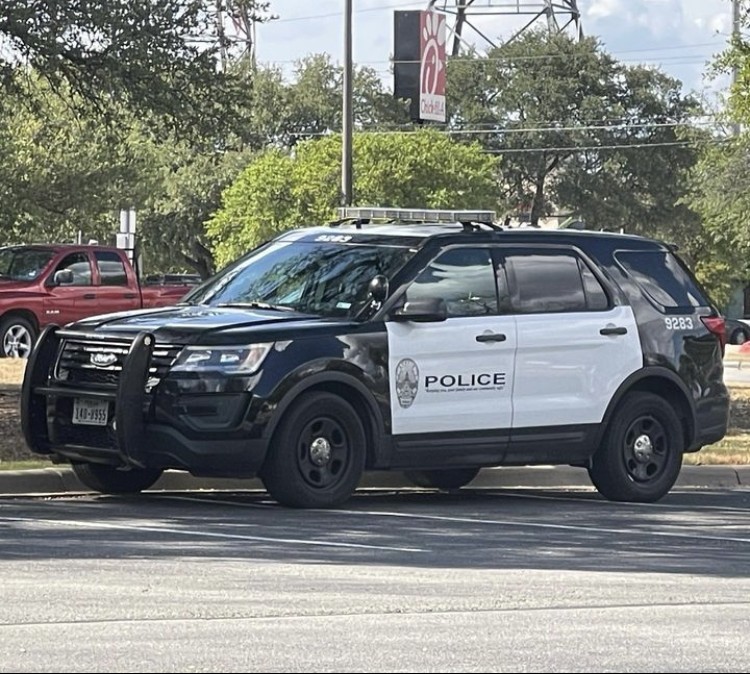
Representative file photograph of an Austin police vehicle; not the estate-sale scene or the bomb-squad response. Photo: Josephawesome34; CC BY-SA 4.0. Display copy resized. Original photograph and rights record. Image-use terms.

More from this Daily Junk Food section.
Facts first. Side-eye included.
DJF separates what is confirmed from what is claimed—and tells you why this particular mess is worth your time.

Wade Crowley
Strange News & Small-Town WeirdWade collects stories that begin with “You are not going to believe what happened at the Walmart.” He covers odd crime, local legends, UFOs, and reality losing the plot.
“Somewhere, a police report is already getting weirder.”