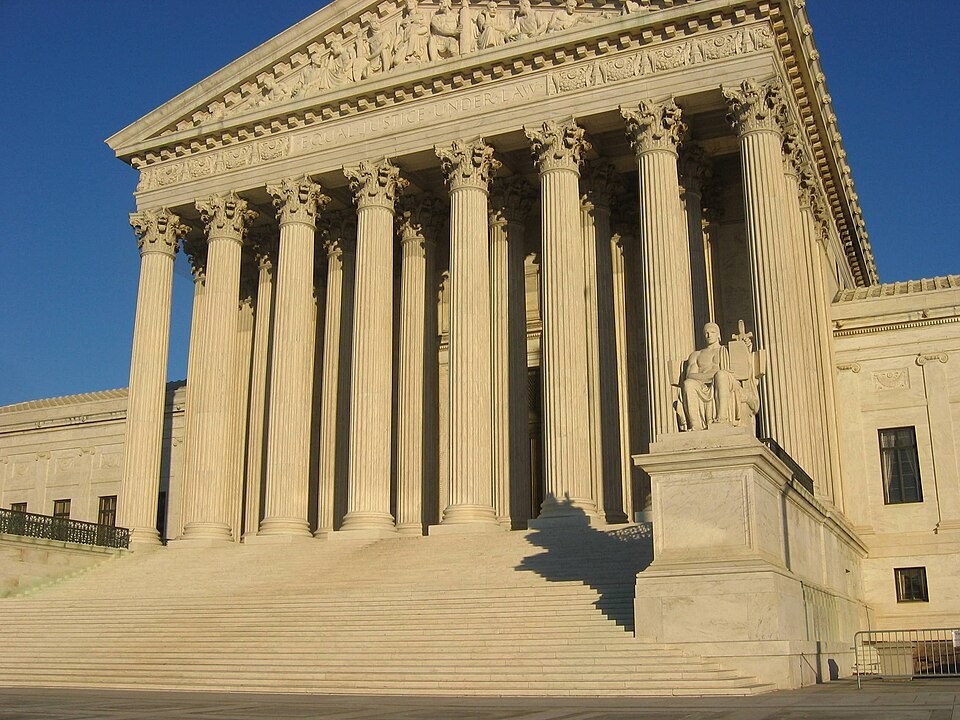
The Big Bend Supreme Court request moves a consequential border-wall dispute to the justices’ emergency docket. On October 21, the Trump administration asked to lift the order stopping construction in the West Texas region while litigation continues. A request has been filed. Anyone announcing that the Court has already approved the project is several important verbs ahead of the news.
Reuters reports that District Judge Kathleen Cardone halted construction on October 2 and later found that Homeland Security officials exceeded their waiver authority. The challengers include the Center for Biological Diversity, a river guide and a group protecting a historic adobe church in Ruidosa. The administration argues that Congress authorized both border barriers and waivers intended to accelerate construction.
That makes this a dispute about the reach of legal authority, not simply whether one likes walls. A statutory waiver can remove particular requirements only within the power Congress granted. The contested question is whether the government stayed inside those boundaries. The administration’s argument is a position submitted for judicial review; the injunction is the order it wants changed.
The practical stakes explain the urgency. Construction can alter a place before the merits of a case have been fully resolved. Keeping an injunction in place can also delay a government project. Emergency litigation asks a court to decide what should happen during that interval. It does not necessarily produce a final answer to every underlying legal question, however many triumphant graphics arrive afterward.
Our take: the national park and surrounding communities deserve to appear in this story as actual places rather than as interchangeable backdrops for a campaign slogan. A conservation concern, a working river and a fragile historic structure raise different questions about impact. The legal process is supposed to make the government explain its authority with more precision than a podium performance requires.
This is a distinct follow-up to Daily Junk Food’s earlier coverage of the construction halt. Watch for an order from the justices, the terms of any temporary relief and the continuing merits litigation. Filing an emergency application is an escalation, not a victory. The paperwork has reached Washington; the outcome has not yet arrived with it.
Sources and photograph
Reuters, October 21, via MarketScreener. Reuters, original report.
Archival architectural photograph; not the October 21 filing or a courtroom hearing. Photo: Duncan Lock (Dflock); CC BY-SA 3.0. Display copy resized. Where applicable, the resized photograph retains the stated ShareAlike license. Original photograph and rights record. Image-use terms.

More from this Daily Junk Food section.
Facts first. Side-eye included.
DJF separates what is confirmed from what is claimed—and tells you why this particular mess is worth your time.

Dana Side-Eye
Receipts, Rumors & Internet NonsenseDana reads the fine print, checks the timeline, and keeps one eyebrow permanently raised. She covers viral claims, internet pile-ons, and suspiciously convenient explanations.
“Screenshots are forever. So is the side-eye.”