Evidence review / developing authenticity dispute — October 27, 2026. A forensic report commissioned by Bard College’s trustees questions a disputed email attributed to former president Leon Botstein in the Epstein files. It does not establish that the exchange was fabricated. It also does not settle the broader allegations under investigation.
What remains unconfirmed: The authorship and integrity of the underlying quoted exchange have not been conclusively established by the review. DJF has read the published report, not examined the original email systems or DOJ’s native evidence.
Keep the dates attached
FTI Consulting’s nineteen-page report is dated October 19. WAMC reported the trustees’ announcement on October 23, describing its release the previous Thursday. Inside Higher Ed revisited the findings and responses October 27. This is a context review prompted by that current reporting, not a claim that the report was released today.
What the technical review found
FTI says it did not locate the disputed correspondence in the Bard historical records it reviewed. The purported Botstein reply appears as quoted text inside an Epstein-to-Epstein forward, rather than as a separately preserved original message with complete transmission information.
The review flags unusual quoted-header formatting and an apparent chronology problem. It also acknowledges limits: incomplete historical records, migration scope, search behavior and unavailable native DOJ source evidence prevented a definitive fabrication finding. The PDF examination did not identify a visible insertion in the examined documents. That does not resolve what might have happened before those PDFs were made.
These are FTI’s findings in a review retained by Bard’s board. They are neither a court judgment nor an independent DJF forensic investigation.
The denial and the continuing inquiry
Botstein has denied writing or sending the disputed email. Inside Higher Ed reports that a spokesperson for Representative Jamie Raskin said the inquiry relies on other correspondence as well, rather than this exchange alone.
The October 7 announcement by Raskin and Representative Madeleine Dean called for a federal investigation. That is a request by lawmakers, not proof of guilt. We are not repeating the disputed message’s salacious wording or identifying the person referred to as Jane Doe; neither is necessary to explain the authentication issue.
DJF analysis: a document dump is not an authenticity machine
Accountability requires examining evidence that may be uncomfortable for every side. An email attributed to somebody should not become a conviction by screenshot. A commissioned review raising questions should not become a blanket exoneration graphic either.
The next useful evidence would address the underlying record: provenance, transmission and the relationship between the quoted text and the original communication. The report itself explains why the available material cannot finish that task.
This is the same discipline behind our coverage of continuing Epstein accountability demands. Keep investigating. Preserve the difference between an allegation, an authenticated record and a conclusion. The public can demand answers without giving up the standards that make those answers worth anything.
File photograph and credit
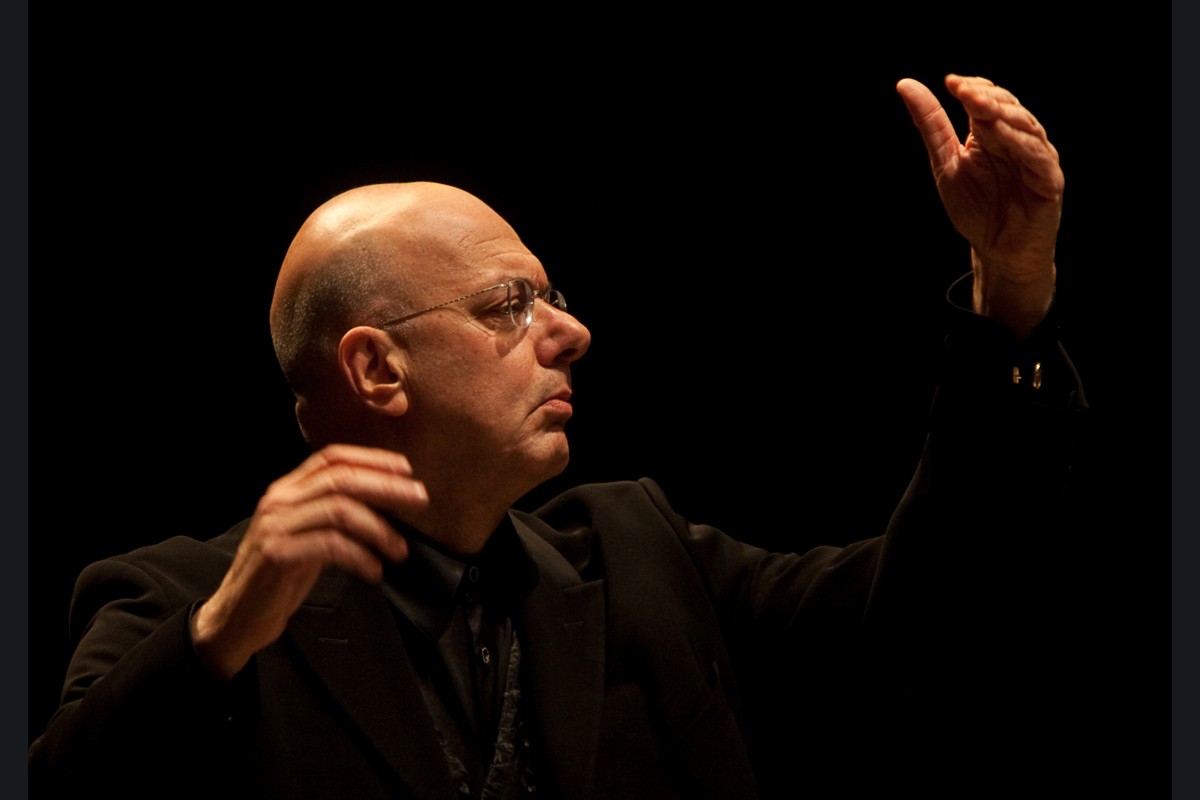
Leon Botstein conducting the American Symphony Orchestra at Bard’s Fisher Center, October 23, 2010. This is a file photograph, not an image of the email or the current inquiry. Photo by Matt Dine for the American Symphony Orchestra, CC BY-SA 4.0. The source crop has been resized and padded for display; the photograph remains under that license.

Editorial note: This article draws on the linked sources and may include clearly labeled opinion or unconfirmed reports. We have not independently verified every source claim. Publication does not establish an unconfirmed claim as fact; developing details may change.
Facts first. Side-eye included.
DJF separates what is confirmed from what is claimed—and tells you why this particular mess is worth your time.