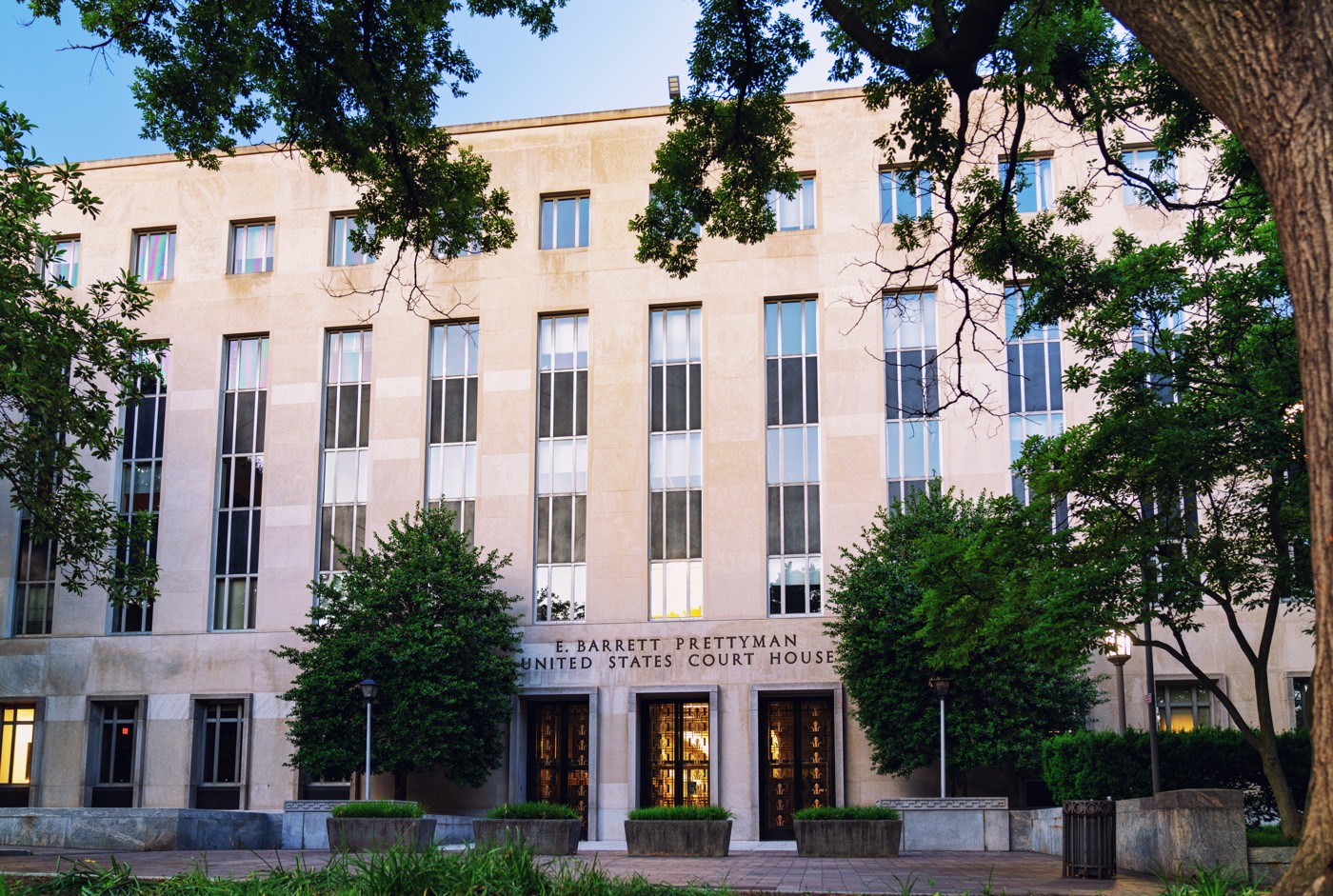
Developing court coverage: The reported October 29 order requires information about the government's voter-letter campaign. It is not a nationwide ruling that every allegation is false, nor a finding that the people named in the letters voted illegally. Compliance with the October 30 deadline and any subsequent decision remain unverified here.
A federal judge wants the Trump administration to identify the states it contacted in its effort to have ballots from alleged noncitizens set aside. The immediate development is disclosure—not the sweeping election verdict either side's social-media graphics might prefer.
What the judge required
AP reported that U.S. District Judge James Boasberg set a Friday deadline for information on the letters. Roll Call's October 29 hearing account says the disclosure concerns states beyond California and Washington contacted since July.
The case was brought by Democratic leaders and campaign organizations. Their lawyer argued that threatened enforcement could pressure states to separate ballots improperly. Government attorney Christian Dibblee countered that the letters do not enforce themselves and notify recipients of possible federal-law violations. The judge left open a further ruling before Election Day; this article does not report that such relief has been granted.
Washington's objection is about the list itself
In an October 28 response, Washington Secretary of State Steve Hobbs said preliminary review found U.S. citizens on the federal list. He also described duplicate entries and missing identifiers that impeded matching names to voter records.
Hobbs invited individualized evidence of ineligibility and said the state would review it through lawful procedures. His response is an official state position, not an independent DJF audit of the underlying names. The government alleges eligibility problems; the state disputes the reliability of its supporting information.
DJF analysis: a spreadsheet is not a verdict
Election administration depends on identifying the right person, applying the right rule and preserving a way to correct errors. An allegation can justify examination without becoming sufficient reason to discard a ballot. That distinction should survive even when the political temperature has melted the thermostat.
The disclosure order matters because the public cannot assess the reach of a campaign it cannot see. It does not settle the merits by itself. The next useful documents are the government's response and any actual ruling on relief—not a screenshot declaring victory before either arrives.
Our California ballot-case coverage follows a separate proceeding. Keep the courts, orders and dates distinct; a development in one case does not automatically decide the other.
Photo: Tony Webster / Wikimedia Commons, CC BY 2.0; resized file photograph.

Editorial note: This article draws on the linked sources and may include clearly labeled opinion or unconfirmed reports. We have not independently verified every source claim. Publication does not establish an unconfirmed claim as fact; developing details may change.
Facts first. Side-eye included.
DJF separates what is confirmed from what is claimed—and tells you why this particular mess is worth your time.