Reporting and clearly labeled opinion · October 25, 2026
Developing case: the decision remains pending
The Los Angeles Times reported after Sunday’s hearing that the panel had not issued a ruling. The eventual disposition remains unresolved in the sources reviewed for this article. Judicial questions should not be read as a completed decision or a finding that a particular voter is ineligible.
What happened on October 25
Reuters reported that a Ninth Circuit panel questioned the Justice Department’s request to segregate California ballots associated with suspected noncitizens. Judge Mark Bennett raised Elections Clause concerns, while Judge Gabriel Sanchez questioned appellate jurisdiction before a scheduled lower-court hearing. California disputes the reliability of the government’s data. DOJ seeks to withhold the affected ballots from counting pending citizenship checks. The court’s own public stream schedule listed a San Francisco session for Sunday, October 25, at 1 p.m.
This is a new procedural stage
Our earlier coverage addressed DOJ’s emergency appeal before the trial judge ruled, followed by the separate pressure of federal letters demanding action from election officials. Sunday’s oral argument is a distinct development: the appellate judges have now questioned the request. Readers should keep those stages separate. A demand letter, a lawyer’s argument, a judge’s question and a written order carry different kinds of authority. Combining them into one rolling victory announcement would lose the most useful information.
Analysis: listen to the question without inventing the answer
Our view: the jurisdiction question deserves attention because it asks whether this court can properly take the requested step at this point. The authority question asks what the federal government can demand. Those issues should be resolved through a reasoned decision, not a campaign’s impression of which lawyer had the roughest afternoon. A skeptical exchange can illuminate a weakness. It does not authorize a headline declaring a case over before the court acts.
The next useful update is an order
For readers following the case, the next concrete item to examine is the court’s written disposition: what it permits, what it denies, the reasons it gives and any deadlines it sets. Until then, caution should attach to predictions from either side. The government’s suspicion remains disputed, and the hearing does not settle individual eligibility. Election litigation needs a paper trail more than it needs a victory lap. We will judge a decision by its actual terms rather than award the trophy to whichever press release arrives first.
More from Daily Junk Food
Earlier: DOJ appeals before the trial judge rules · Earlier: the separate federal 48-hour demands · More Crime & Courts
Sources and photograph
- Reuters / Jan Wolfe, October25,21:02UTC, updated hearing report
- Los Angeles Times / Kevin Rector, October25,3:54p.m.Pacific; pending-decision status
- Ninth Circuit official stream schedule, October25 session
- Photograph license: Creative Commons Attribution-ShareAlike 3.0
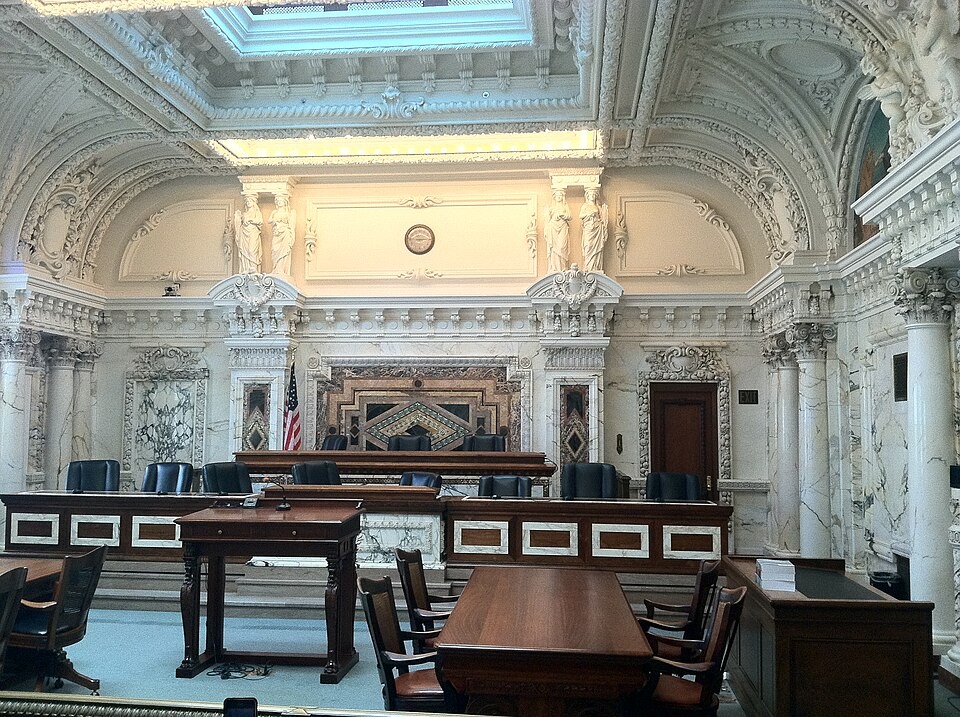
File photograph: Courtroom 1 in the James R. Browning Courthouse, San Francisco, June 3, 2011; not the remote October 25, 2026 hearing. Photo: Sam Wheeler / Wikimedia Commons, CC BY-SA 3.0. Display copy resized; the photograph remains under the same license. Photograph source and rights record.

Editorial note: This article draws on the linked sources and may include clearly labeled opinion or unconfirmed reports. We have not independently verified every source claim. Publication does not establish an unconfirmed claim as fact; developing details may change.
Facts first. Side-eye included.
DJF separates what is confirmed from what is claimed—and tells you why this particular mess is worth your time.