Developing court proceedings — October 30, 2026. The inquiry concerns possible misconduct; no finding of an ethics violation has been made.
The East Potomac fight has acquired a second scorecard: whether the government’s lawyers and officials have been candid with the court. U.S. District Judge Ana Reyes opened an inquiry Friday into representations made during litigation over President Donald Trump’s plans for the public golf course, Reuters and NPR reported. The renovation is disputed. So is the account of how its plans developed.
Reuters reported that Reyes questioned Justice Department attorney Stanley Woodward about apparent conflicts between the president’s public announcements and the government’s position that no final replacement plan existed. She also directed preservation of relevant documents. Those are significant procedural developments, not a judicial declaration that a named lawyer lied.
A plan, an announcement and a court order walk into a hearing
NPR’s hearing account says Reyes intends a formal examination of possible misrepresentations and professional-rule violations. A special master could assist, but the choice of that officer was not yet complete in NPR’s account. DJF is therefore not identifying an appointed investigator or pretending the inquiry has already produced findings.
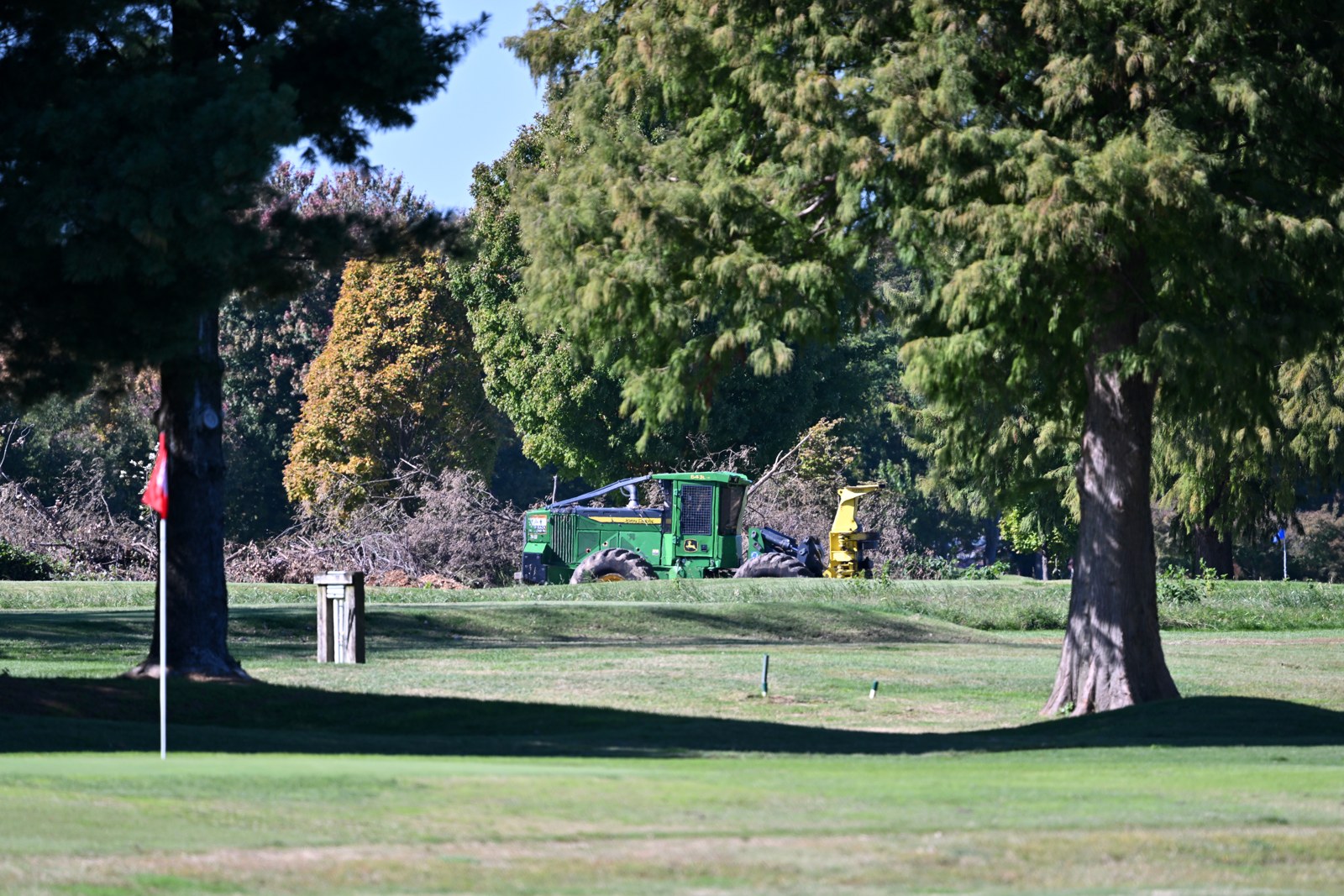
The underlying dispute involves the administration’s proposed overhaul of East Potomac and the removal of hundreds of trees in October. Reuters reports that the court previously required notice of substantive work and blocked further tree removal. Trump’s announced November 15 closure sharpened questions about how the public timetable matched what government attorneys had told Reyes.
The government has maintained that the redesign was not a final plan. NPR also reports that officials described a notice of intent to close, rather than treating closure as inevitable regardless of the court’s requirements. That distinction is part of the dispute the judge is examining; it is not a factual conclusion DJF can settle from a presidential post.
DJF analysis: the paperwork has to match the podium
A president can announce an ambition. An agency can argue that implementation remains unfinished. Both statements may require careful explanation when a judge is deciding what work can proceed. The public-interest question is whether the court received a complete and accurate account when it needed one.
Calling an inquiry a conviction would wreck that distinction. Calling it merely a golfing disagreement would miss it altogether. The integrity of representations to a federal court matters beyond the location of the next fairway. The useful next evidence will be the inquiry’s orders, preserved records, responses and eventual findings—not a victory meme from either side.
Read our earlier account of the November timetable dispute for the prior stage. Friday’s distinct development is the misconduct inquiry, and the findings are still ahead of it.
Sources and photograph
Reuters, October 30 hearing report. NPR, hearing and inquiry status.
File photograph: a tractor and felled trees at East Potomac Golf Links, October 20, 2026. This does not depict the October 30 hearing or new work that day. Photo: G. Edward Johnson / CC BY 4.0; resized. Photograph source and rights record. Image-use terms.

Editorial note: This article draws on the linked sources and may include clearly labeled opinion or unconfirmed reports. We have not independently verified every source claim. Publication does not establish an unconfirmed claim as fact; developing details may change.
Facts first. Side-eye included.
DJF separates what is confirmed from what is claimed—and tells you why this particular mess is worth your time.