Developing civil case — October 28, 2026. Hasan Piker has sued conservative commentator Scott Jennings in federal court in Washington, D.C., accusing him of turning edited streaming footage into a defamatory accusation. The complaint was filed October 27; Wednesday's coverage concerns that filing, not a verdict. The alleged falsification, Jennings' knowledge and the claimed damage remain contested allegations rather than judicial findings.
Piker seeks $72.5 million, according to Courthouse News: $27.5 million in compensatory damages and $45 million in punitive damages. That is the amount requested. Nobody has awarded him that money. The distinction is worth keeping somewhere above the internet's volume knob.
The complaint's central accusation
DJF reviewed the publicly available complaint in Piker v. Jennings, No. 1:26-cv-03770. It says Jennings used a 42-second montage drawn from three Twitch broadcasts, then presented Piker as advocating racial violence. Piker alleges the editing removed the context of sarcastic criticism and that Jennings supplied wording Piker had not used.
The filing traces part of the dispute to an October 29, 2024 broadcast and the challenged Jennings presentation to August 11, 2026. Those dates matter: this is a new lawsuit over older speech, not a new incident of Piker making the statements attributed to him. The pleading also advances an alternative theory that the selection and arrangement of excerpts conveyed a defamatory implication.
Piker's account is one party's legal case. Reading a complaint verifies what the plaintiff alleges; it does not independently authenticate every clip, establish the defendant's state of mind or decide liability. We are not republishing the inflammatory montage as though the accusation it conveys has been established.
Where Jennings' response stands
Courthouse News reported that Jennings did not respond to its request for comment. That describes the outlet's reporting, not an unanswered request from DJF. We have not reviewed a substantive court response from Jennings in the material obtained for this article. His response and any subsequent ruling should be assessed when available rather than supplied through speculation.
Bloomberg Law's October 27 report separately identifies the suit and its allegations about manipulated footage. The existence of coverage from multiple outlets confirms the filing is news; repetition of the allegations does not turn them into a judgment.
DJF analysis: context cannot be edited out of accountability
The important editorial question is larger than which commentator somebody already dislikes. If a presentation changes who is speaking, what is being mocked or whether a statement is sarcastic, the edit can change the apparent claim itself. A clip is evidence that a clip exists. Its relationship to the full recording still has to be examined.
That principle cuts in both directions. A lawsuit should not become a substitute for examining the recordings, and an online audience should not treat a damages demand as a scoreboard. The useful next developments are a documented defense, a fuller evidentiary record and actual court decisions. The comment section can wait its turn.
Follow the DJF Crime & Courts archive for developments grounded in filings and rulings rather than declarations of victory before the first procedural round.
Photograph and source credit
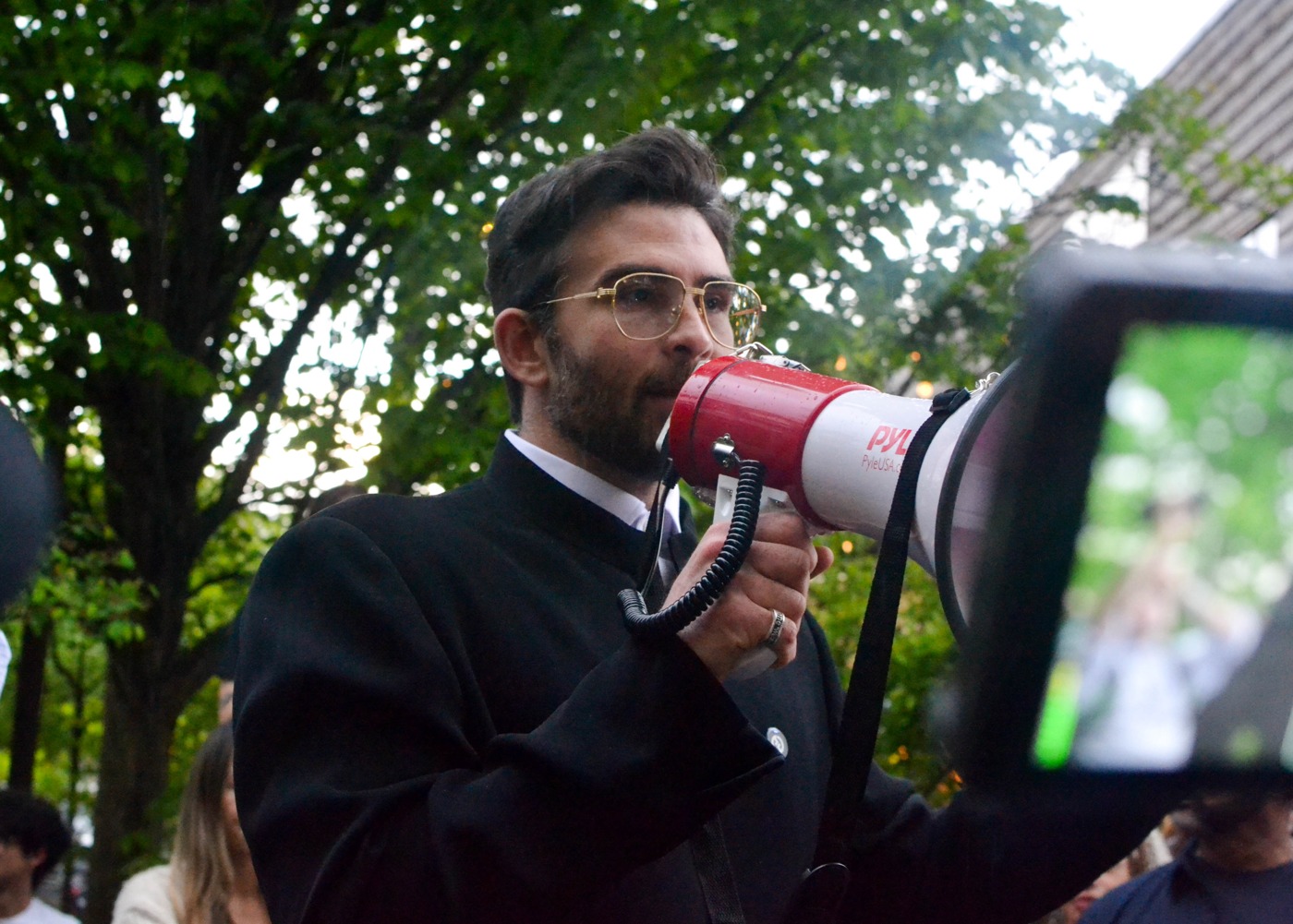
File photograph by Morgan.rice.bassline.design, Wikimedia Commons source and identification, licensed CC BY 4.0. Resized for display; the photograph is not from the disputed broadcast or the court filing.

Editorial note: This article draws on the linked sources and may include clearly labeled opinion or unconfirmed reports. We have not independently verified every source claim. Publication does not establish an unconfirmed claim as fact; developing details may change.
Facts first. Side-eye included.
DJF separates what is confirmed from what is claimed—and tells you why this particular mess is worth your time.