Developing litigation — October 30, 2026. The consumers’ marketing allegations are disputed and have not been established by a verdict.
The McRib has cleared a courtroom hurdle, which is different from clearing McDonald’s of wrongdoing—or proving it. U.S. District Judge April Perry allowed a proposed class action over the sandwich’s marketing to proceed Friday while dismissing some claims, Reuters reported. The new development is the ruling on the company’s dismissal request, not the filing of a brand-new lawsuit.
Consumers argue that the name and rib-shaped patty lead buyers to expect rib meat and pay more on that understanding. McDonald’s disputes deceptive-marketing claims. Reuters says Perry considered it premature to rule that reasonable customers could not understand the product in the way the plaintiffs describe. That keeps a legal theory alive; it does not establish that the theory is true.
The shape is part of the argument
According to Reuters, the judge said advertising that emphasizes the rib-like form could support the allegation of deceptive intent, with further proof still needed. The distinction matters. A lawsuit can survive an early challenge because an allegation is legally plausible without the court having resolved contested evidence.
McDonald’s official product page describes seasoned boneless pork, barbecue sauce, onions and pickles on a toasted bun. It also says availability is limited. The page’s description is the company’s representation of the sandwich, not an independent laboratory examination by DJF.
The company previously told The Independent that the lawsuit distorted the facts and denied the alleged use of hearts, tripe and scalded stomach. Those disputed ingredient accusations should not migrate from a complaint into a headline as settled facts. DJF has not tested a sandwich or obtained evidence establishing those accusations.
This is a courtroom update, not another comeback announcement
Our earlier McRib coverage concerned its limited return. Friday’s ruling concerns whether particular marketing claims can continue through litigation. The two stories answer different questions, even if the same sauce is involved.
The case is still described as a proposed class action. This report does not announce a certified nationwide class, a refund program, damages or a deadline to claim money. Readers should be wary of posts that turn a preliminary ruling into a ready-made payout link.
DJF analysis: a famous name is not a courtroom shortcut
The interesting issue is how much meaning consumers reasonably take from a product’s name and presentation. Brand familiarity does not, by itself, answer that question. Neither does a joke about the sandwich’s appearance. Evidence and the applicable legal standards still have work to do.
McDonald’s can contest the allegations; consumers can pursue the claims that survived. The judge has not handed either side the final bun. For now, the accurate update is that the litigation continues—and “continues” is doing a great deal of work.
Sources and photograph
Reuters, October 30 dismissal ruling. McDonald’s official product description. The Independent, company response and original lawsuit context.
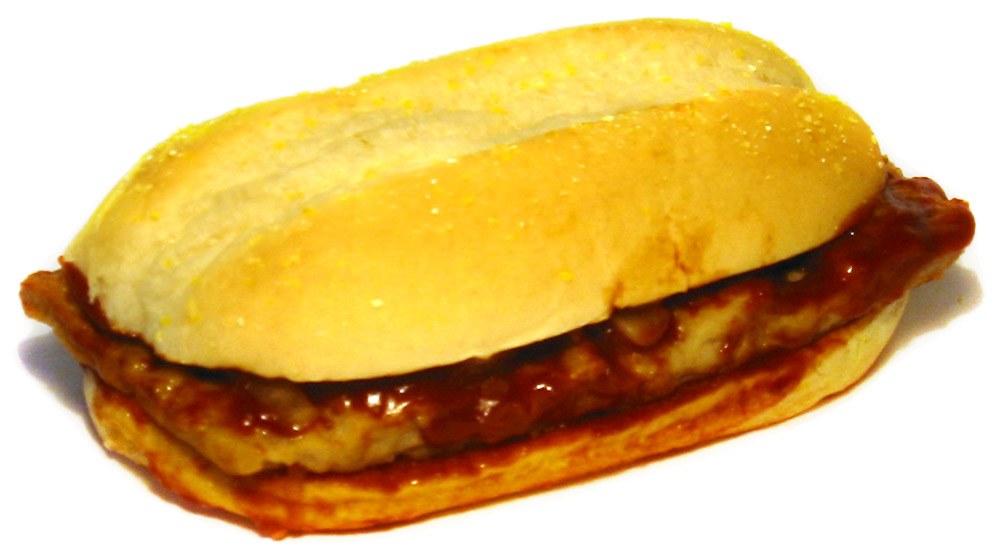
File photograph: a McRib sandwich photographed July 7, 2006. This is not a 2026 purchase or an exhibit establishing the lawsuit’s allegations. Photo: Fritz Saalfeld / CC BY-SA 2.5; display copy re-encoded. Photograph source and rights record. Image-use terms.

Editorial note: This article draws on the linked sources and may include clearly labeled opinion or unconfirmed reports. We have not independently verified every source claim. Publication does not establish an unconfirmed claim as fact; developing details may change.
Facts first. Side-eye included.
DJF separates what is confirmed from what is claimed—and tells you why this particular mess is worth your time.