Developing prosecution; allegations disputed — October 26, 2026. Newly unsealed court papers disclosed another Justice Department effort to prosecute former FBI Director James Comey over an alleged 2016 disclosure. Comey maintains his innocence. Whether the filing can lawfully keep the case alive is contested; the allegations have not been established by a conviction.
A new filing, an old allegation
The Associated Press reports that the allegation concerns an October 2016 New York Times account of a secret surveillance order involving Yahoo. DOJ says it filed a criminal information to toll the ten-year limitations period. A department spokesperson defended that procedure as recognized in federal courts and said the investigation continues.
Comey’s lawyers dispute the filing’s validity and argue that the deadline has expired. Attorney Patrick Fitzgerald says Comey did not commit the alleged crimes. Reuters reports that the information was filed October 5 and alleges transmitting and conspiring to transmit national-defense information. October 26 is the disclosure date of this development, not the date of the underlying alleged leak.
DJF analysis: a prosecution still has to survive the rules
The word “charged” arrives with a ready-made soundtrack. It invites the audience to skip to guilt, especially when the defendant is a familiar political combatant. The soundtrack is optional. The distinction between an accusation and proof is not.
The procedural fight also deserves more attention than the usual scoreboard. A claim about preserving a deadline and an objection that the deadline has already run present competing legal positions. Neither becomes a court ruling because its speaker sounds confident. Readers should be able to see which argument belongs to prosecutors, which belongs to the defense and what a judge has actually decided.
That standard does not require liking Comey, endorsing his past decisions or signing up for anyone’s political fan club. It requires refusing to replace the legal process with a personality contest. If the government wants the authority and consequences of a prosecution, scrutiny of the way it invokes that authority is part of the job.
Equally, a defense accusation of improper prosecution is an argument to examine, not a magic eraser for the government’s allegations. The honest position is to follow the actual filings and decisions. Certainty on demand is a fine product for a merchandise table; it is a poor substitute for reporting.
Keep this separate from the Maurene Comey ruling
This is a different matter from the employment ruling involving Maurene Comey covered earlier by DJF. Shared names do not merge separate cases, and a result in one proceeding does not decide another.
Follow our Crime & Courts section for further developments. We will update this account when a verified ruling changes the case’s status, rather than dress another round of argument as a verdict.
Photograph and source credit
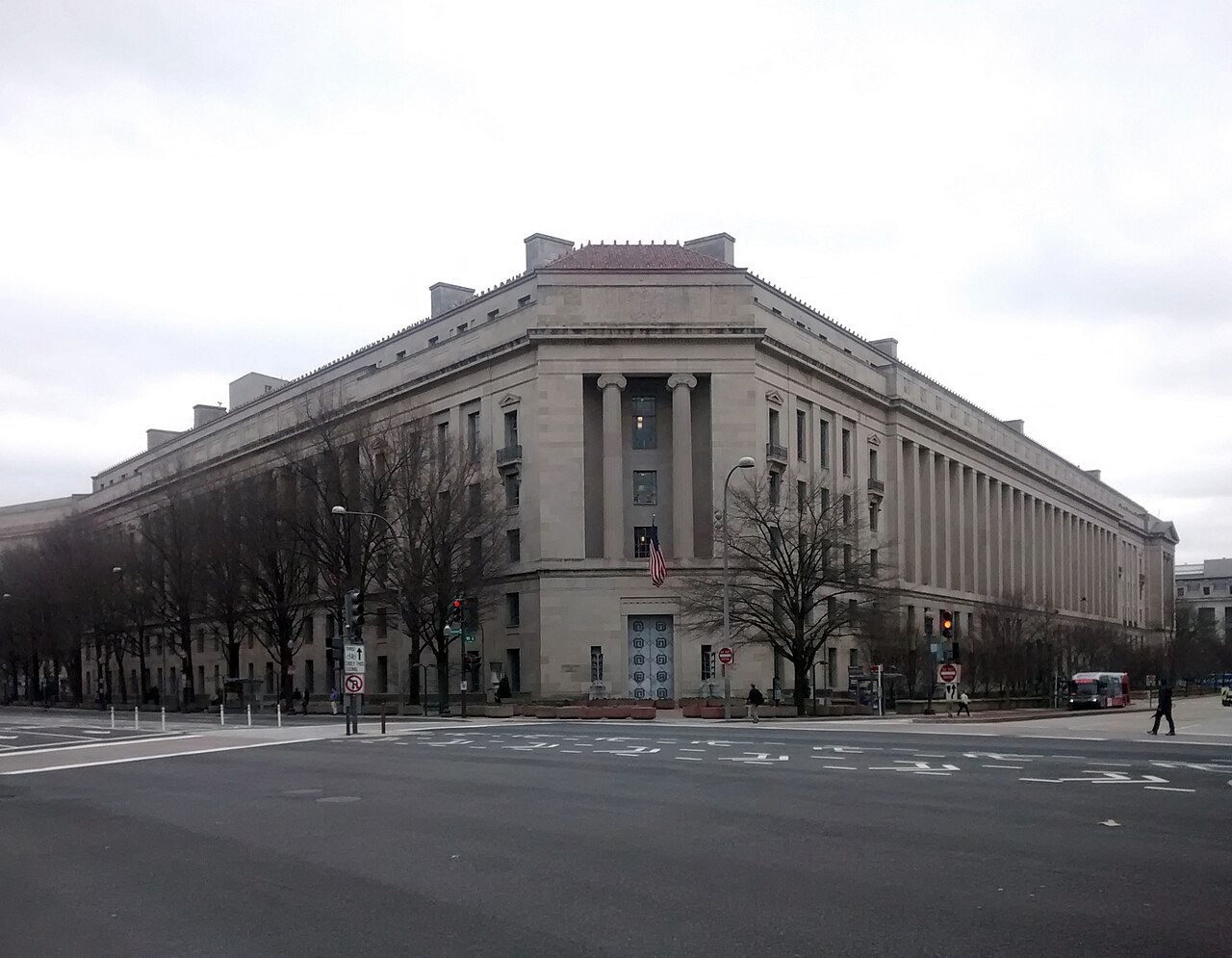
File photograph of the Robert F. Kennedy Department of Justice Building, Washington, D.C., April 4, 2014. Photo: Gunnar Klack. Source and identification; CC BY-SA 4.0. Resized for display; the photograph is reused under the same license.

Editorial note: This article draws on the linked sources and may include clearly labeled opinion or unconfirmed reports. We have not independently verified every source claim. Publication does not establish an unconfirmed claim as fact; developing details may change.
Facts first. Side-eye included.
DJF separates what is confirmed from what is claimed—and tells you why this particular mess is worth your time.