Reporting and labeled analysis · October 25, 2026
A new filing, not a newly opened inbox
Rep. Joyce Beatty’s lawyers filed a notice on October 25 challenging presidential-communications privilege claims over Kennedy Center records. The five-page notice concerns a records list served October 23 in the management-and-closure litigation. It requests production, not a public release of the messages.
Developing court coverage: the Associated Press reported that Judge Christopher Cooper had not immediately ruled on the request. We have inspected the notice, not the withheld messages. Their complete contents and the court’s ultimate decision on the privilege claims remain unverified here.
The quantities have a source—and a limit
The notice describes nine categories of withheld material. It identifies 19 texts between Kennedy Center executive Matthew Floca and Trump executive assistant Natalie Harp, including 11 on September 15, and roughly 180 between Floca and Commerce Secretary Howard Lutnick. Those counts and descriptions come from Beatty’s lawyers’ account of the privilege log. They do not tell us every word exchanged.
The plaintiffs argue the communications concern Trump’s chairmanship and whether board decisions were independent. The defendants have asserted presidential-communications privilege. The notice also identifies additional attorney-client and work-product claims over portions of the material. A privilege assertion is a legal position to be tested, not proof that the underlying discussion was improper.
The response and the procedural context
AP reported that the White House did not immediately comment on the filing. The news agency also places the dispute after Cooper’s May ruling ordering removal of Trump’s name and the September closure of the main building. Those earlier events explain why the records matter; they should not be confused with a fresh ruling on Sunday’s disclosure request.
Analysis: read the paperwork before writing the ending
Our view: the boring-sounding list of withheld documents is now one of the most useful things in this drama. It gives the court something concrete to examine: dates, participants, subjects and claimed grounds for withholding. That is more informative than another round of promotional slogans about saving the arts or winning a branding battle.
But a list is still a list. Readers should resist the leap from “messages exist” to “we know what the messages prove.” The same discipline applies to the administration: calling something privileged does not explain, by itself, why every communication qualifies. Each side owes a specific argument that fits the records and the governing rules.
The next meaningful development would be the court’s response, an agreed production of records, or an actual disclosure that can be examined in context. Until then, the responsible headline is a fight over access. The Kennedy Center has enough drama without the internet supplying dialogue for a script nobody has read.
Related coverage
Earlier Kennedy Center financial-distress reporting, September 14 · Crime & Courts
Sources and photograph
- Original court filing: plaintiff’s October 25 notice regarding privilege log, Document 111
- Michael Kunzelman / Associated Press, October 25, via The Washington Sun
- Portrait source and public-domain record

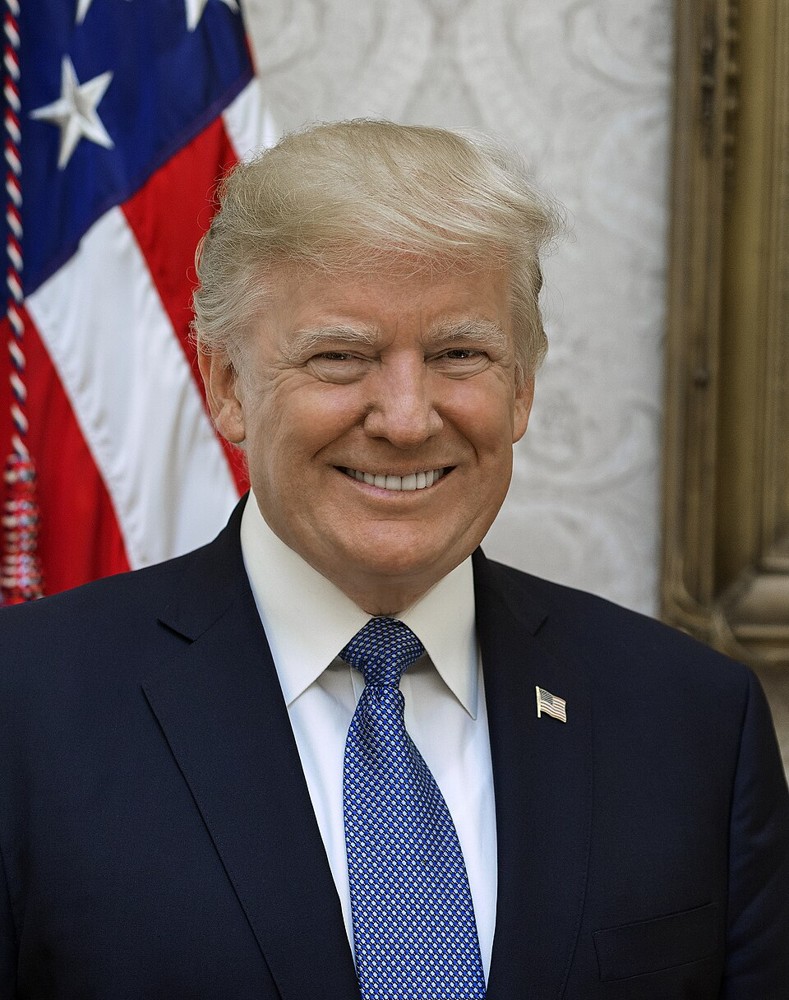
File photograph: Donald Trump’s official White House portrait, October 6, 2017; not the 2026 Kennedy Center proceedings, a closure vote or the disputed communications. Photo: Shealah Craighead / The White House, public domain as a U.S. federal government work. Display copy resized.
Editorial note: This article draws on the linked sources and may include clearly labeled opinion or unconfirmed reports. We have not independently verified every source claim. Publication does not establish an unconfirmed claim as fact; developing details may change.
Facts first. Side-eye included.
DJF separates what is confirmed from what is claimed—and tells you why this particular mess is worth your time.