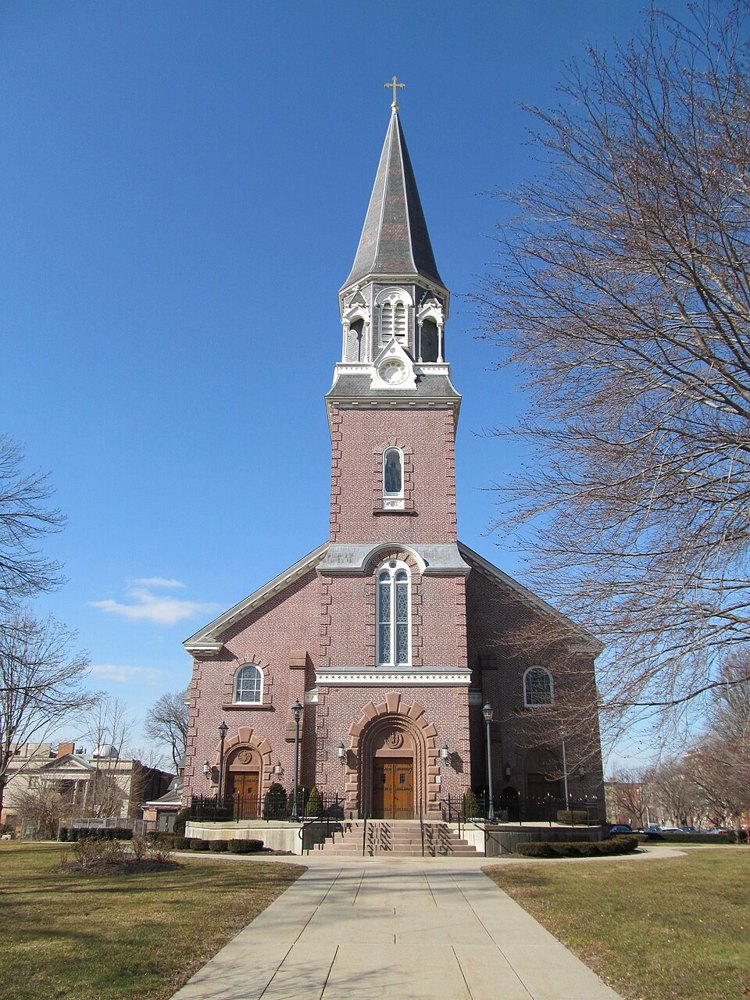
A Massachusetts investigation has concluded that more than 270 priests abused nearly 1,000 children across the dioceses of Fall River, Springfield and Worcester over decades. Officials said church leaders too often protected the institution instead of children, a sentence the public has heard so many times it should be carved above the filing cabinets.
Attorney General Andrea Joy Campbell's office reviewed records, survivor accounts and diocesan practices. The findings describe abuse spanning generations and institutional responses that allowed perpetrators or credible allegations to remain hidden.
The numbers represent lives, not an archive
Calling the cases “historic” can suggest that the harm belongs safely to the past. Survivors continue to live with the consequences, and families and faith communities continue to confront how spiritual authority was used to gain access, silence questions and preserve reputations.
The report also tests current safeguarding systems. Policies adopted after earlier scandals matter only if dioceses disclose allegations, cooperate with law enforcement, remove credibly accused clergy and support survivors without treating them as a public-relations problem.
Faith does not require institutional denial
Catholics can love their tradition and demand accountability from leaders. In fact, a church that teaches moral responsibility should not need outsiders to explain why protecting children outranks protecting the brand.
The investigation cannot return stolen childhoods. It can document what happened, force public acknowledgment and make concealment harder. Accountability is not anti-faith. It is what faith institutions owe the people who were taught to trust them.
Facts first. Side-eye included.
DJF separates what is confirmed from what is claimed—and tells you why this particular mess is worth your time.