New research connects ozone models and alien life through an unglamorous but important question: what happens when different atmosphere models produce different answers? A preprint submitted October 13 by Akhil Kumar and Gregory J. Cooke compares simulations relevant to early Earth and exoplanets. It is about the machinery used to interpret possible habitability—not a finding that anybody has discovered extraterrestrials behind the atmospheric curtains.
The study compares four open-source one-dimensional photochemical models with a three-dimensional chemistry-climate model. The authors report differences in predicted ozone thickness linked to oxygen photolysis, chemical networks, water microphysics and atmospheric transport. In plain terms, choices about how to represent physical and chemical processes can affect the atmosphere a model predicts.
That matters because ozone influences how researchers estimate ultraviolet exposure at a planet’s surface. The authors discuss consequences for habitability assessments and expectations for future observations, including the proposed Habitable Worlds Observatory and LIFE concepts. Their comparison concerns predictions under modeled conditions. It is not a telescope observation of organisms, a government disclosure or a confirmation that a particular exoplanet supports life.
The status label is essential. The arXiv record calls the manuscript a preprint and says it was resubmitted after a first revision to Royal Society Open Science. That does not establish completed peer review or final publication. Astrobiology.com highlighted the work October 15, but coverage does not change the publication status recorded with the paper.
Analysis: a model is useful because it represents something researchers cannot fully inspect under every possible condition. It is not useful because it can never be wrong. Comparing models helps identify which assumptions deserve attention before a future observation is converted into a dramatic conclusion. The excitement is in improving the question, not in pretending the answer has already arrived.
Nor does disagreement mean all atmosphere research is worthless. A difference between simulations is a reason to investigate inputs, processes and tests. It is not permission to declare that every imaginable alien claim is equally plausible. Uncertainty has structure. “We need better constraints on this process” and “therefore visitors built the moon” are not adjacent steps in a scientific argument.
The verified development is a newly posted model-comparison manuscript, with explicit implications for interpreting potentially habitable environments. No alien confirmation is reported. The broader lesson is that the search for life needs careful calibration as much as larger instruments. Yes, that produces a less cinematic headline than first contact. It also gives first contact, if evidence ever arrives, a much better chance of being recognized for the right reasons.
Sources and photograph
Kumar and Cooke, arXiv preprint submitted October 13. Astrobiology.com, October 15 research coverage.
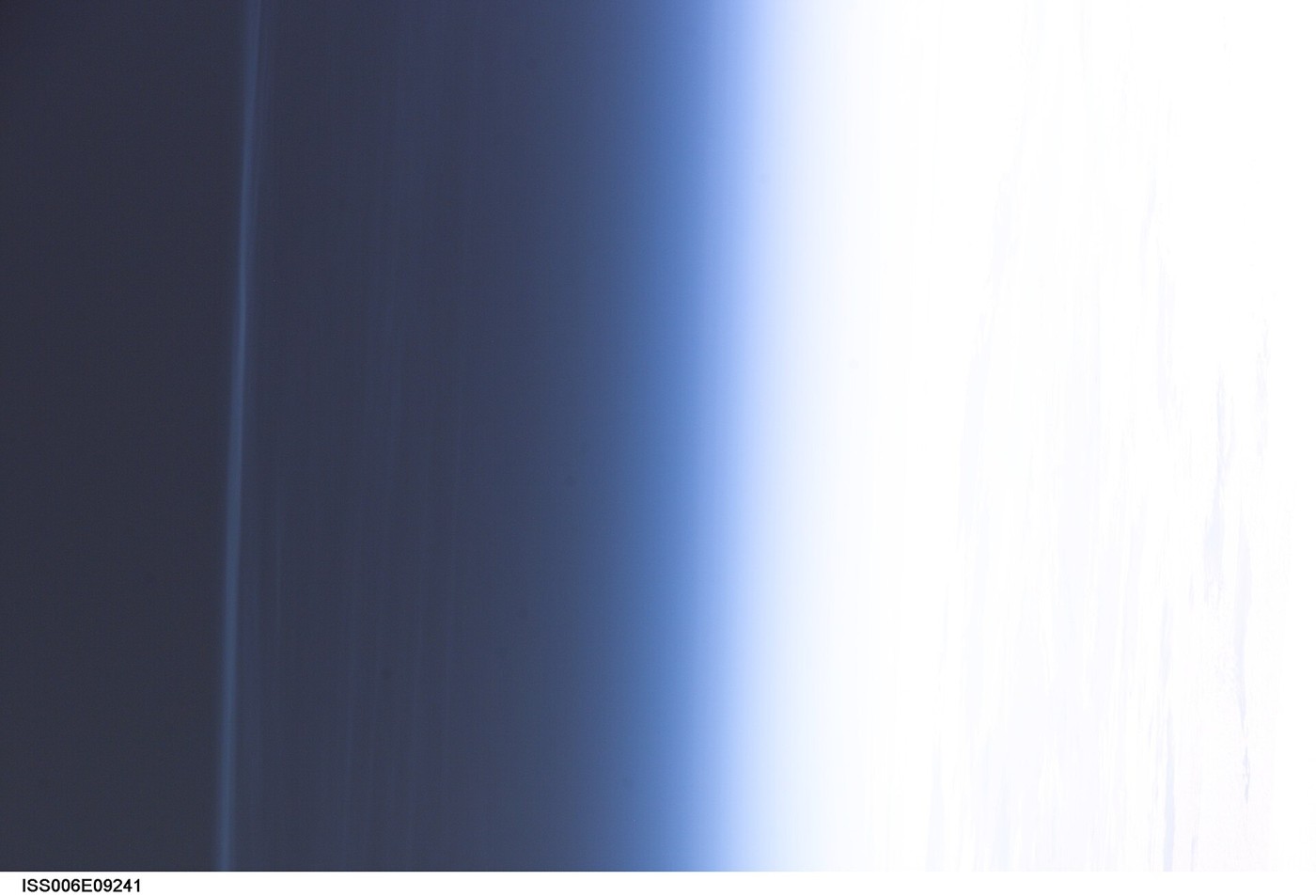
Real NASA astronaut photograph of Earth’s atmosphere, used illustratively; not an exoplanet, an ozone measurement or evidence of extraterrestrial life. Photo: Earth Science and Remote Sensing Unit, Lyndon B. Johnson Space Center; Public domain. Display copy resized. Original photograph and rights record.

More from this Daily Junk Food section.
Facts first. Side-eye included.
DJF separates what is confirmed from what is claimed—and tells you why this particular mess is worth your time.

Dana Side-Eye
Receipts, Rumors & Internet NonsenseDana reads the fine print, checks the timeline, and keeps one eyebrow permanently raised. She covers viral claims, internet pile-ons, and suspiciously convenient explanations.
“Screenshots are forever. So is the side-eye.”