The Prairieland interfaith prayer vigil brought religious leaders and laypeople outside the detention facility in Alvarado, Texas, on October 14. Marissa Greene’s Fort Worth Report coverage describes people from different faith backgrounds gathering to pray and sing. In a national debate often conducted at the volume of a defective leaf blower, the group chose a different form of public witness.
The report describes prayers for detainees and their families, but also for people working throughout the system: lawyers, judges, immigration officials, chaplains, facility staff and lawmakers. Organizers said detainees had been told in advance that the gathering would happen. This was an expression of solidarity, not an announced change in detention policy or a court decision in anyone’s case.
Participants connected their presence with the dignity their faith asks them to recognize in other people. That is their stated motivation. It should not be transformed into a claim that every congregation shares one immigration platform, or that everyone associated with the facility holds the same view. Interfaith participation can reflect common concern without erasing differences.
Analysis: praying for someone is not the same as resolving their legal situation, and no serious account needs to pretend otherwise. The public significance is that people made themselves visible near an institution whose residents can otherwise become abstractions. Showing up can communicate attention while leaving room for the practical work that courts, advocates and officials must do.
Including staff and officials in the prayers complicates the easy version of the story in a useful way. A concern about a system does not require treating every person who works within it as interchangeable. Likewise, recognizing workers’ humanity does not settle questions about the policies they implement. Those two thoughts can coexist without collapsing the whole conversation.
Readers should also distinguish participants’ concerns about treatment from independently established findings about specific incidents. The vigil report records what people said and did; it is not an inspection report or a substitute for case records. Careful attribution lets their moral argument be heard without upgrading every expression of worry into a proven factual allegation.
The recent gathering offers a concrete example of faith entering public life through presence rather than a demand to control everyone else’s beliefs. Its effects on participants and detainees cannot be measured from a photograph alone. What is documented is a shared act of prayer directed toward people on multiple sides of a difficult system. That is quieter than a cable-news panel, but considerably easier to understand.
Sources and photograph
Fort Worth Report, Marissa Greene, October 14, 2026. Fort Worth Report syndicated coverage, Las Vegas Newswire. KERA, October 15 republication.
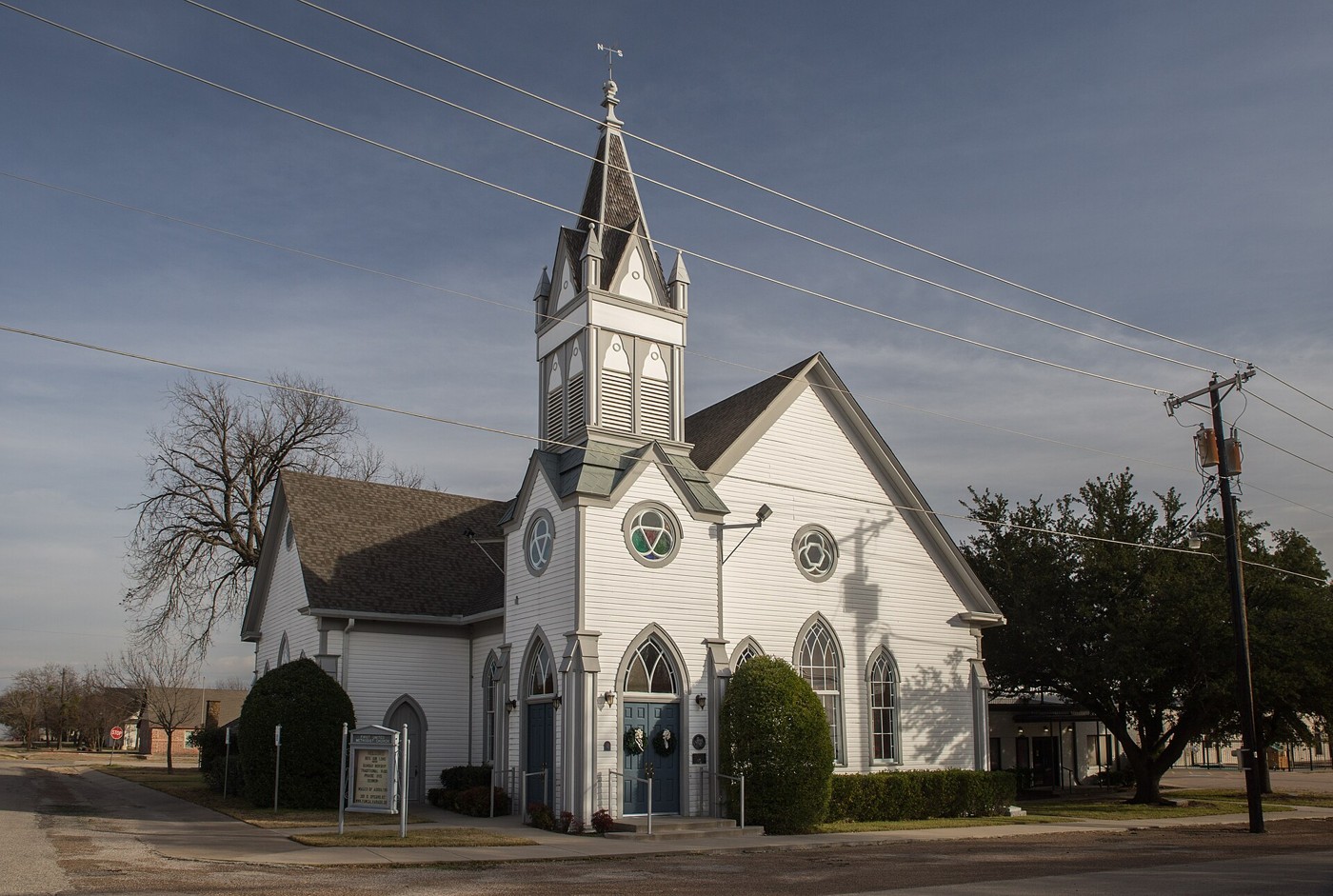
Representative photograph of an Alvarado church; not the detention facility, the October 14 vigil or evidence that this congregation participated. Photo: Renelibrary; CC BY-SA 4.0. Display copy resized. Original photograph and rights record. Image-use terms.
.jpg)
More from this Daily Junk Food section.
Facts first. Side-eye included.
DJF separates what is confirmed from what is claimed—and tells you why this particular mess is worth your time.

Dana Side-Eye
Receipts, Rumors & Internet NonsenseDana reads the fine print, checks the timeline, and keeps one eyebrow permanently raised. She covers viral claims, internet pile-ons, and suspiciously convenient explanations.
“Screenshots are forever. So is the side-eye.”