The Montgomery County school admissions case is heading to the Supreme Court, but the October 19 order is more precise than a broad headline about race in education. The justices agreed to consider a question about how discriminatory impact must be established when a facially neutral admissions policy is challenged as racially discriminatory. They have accepted a case, not announced which side wins it.
Reuters reports that the parents’ challenge concerns lottery admissions at four selective public middle schools in Maryland. The coalition alleges discrimination against Asian American applicants after lower courts rejected its claim. Those allegations explain the dispute; they are not findings newly made by the Supreme Court. The October 19 action gives the appeal another stage.
The official order limits review to whether a plaintiff must establish that the allegedly targeted racial group suffered an aggregate disparate impact relative to its share of the applicant pool. That is a question about the showing required in the challenge. It is not an order immediately replacing the school system’s admissions process or a ruling that every lottery is unlawful.
Our take: this is where court reporting needs a smaller shovel. The temptation is to dig up the biggest national argument about schools, attach it to the order and declare that everything has changed. The actual document sets a narrower issue for review. Understanding that issue is more useful than guessing the ending from which side issued the more excited statement.
The difference between an individual experience and a group-level statistical showing is central to what the Court has agreed to examine. A family can describe an admissions outcome; a legal challenge must address the standard the court applies. Reporting that distinction does not require taking sides on a particular applicant. It requires being clear about what evidence the dispute turns on.
Readers should also distinguish this middle-school case from a new decision about university admissions. The larger political debate overlaps, but the setting and procedural question remain specific. Reusing the most familiar culture-war script would be easy. It would also conceal the part of the case that explains why this particular appeal is now before the justices.
The next meaningful developments are the arguments, briefing and eventual ruling. Until then, the correct verb is review. No parent has received a new place for a child because the Court agreed to hear the appeal, and no national verdict has arrived by press release. The order is consequential enough without giving it an imaginary final paragraph.
Sources and photograph
Supreme Court, October 19 order list, No. 26-12. Reuters, October 19 report.
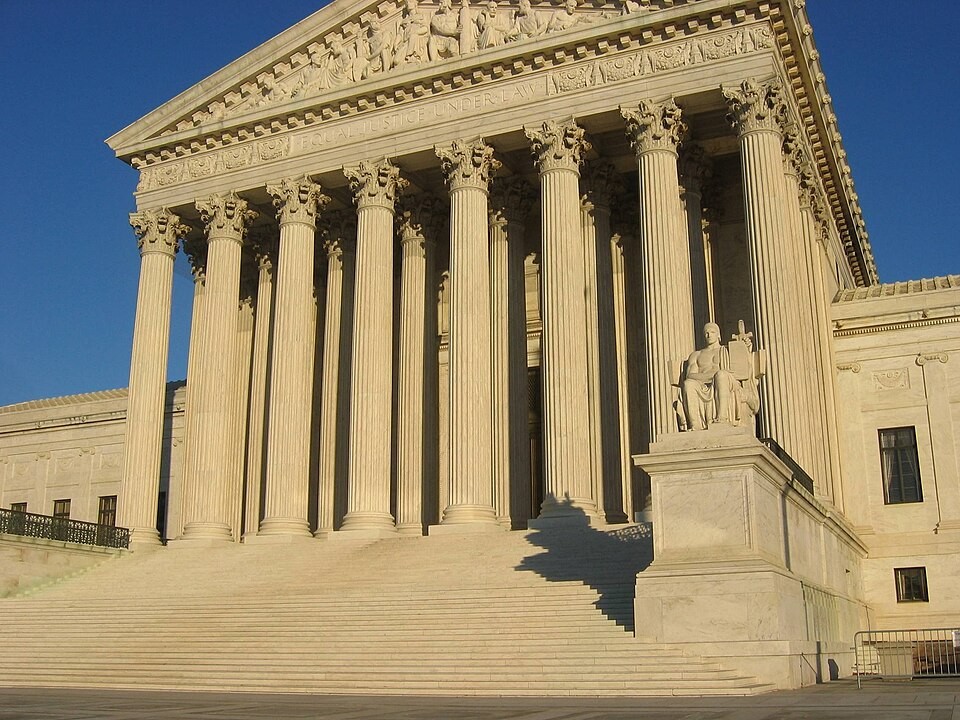
Archival photograph of the Supreme Court, December 2004. Not an October 19 hearing, a Maryland school or any family in the case. Photo: Duncan Lock (Dflock); CC BY-SA 3.0. Display copy resized. Where applicable, the resized photograph retains the stated ShareAlike license. Original photograph and rights record. Image-use terms.

More from this Daily Junk Food section.
Facts first. Side-eye included.
DJF separates what is confirmed from what is claimed—and tells you why this particular mess is worth your time.

Dana Side-Eye
Receipts, Rumors & Internet NonsenseDana reads the fine print, checks the timeline, and keeps one eyebrow permanently raised. She covers viral claims, internet pile-ons, and suspiciously convenient explanations.
“Screenshots are forever. So is the side-eye.”