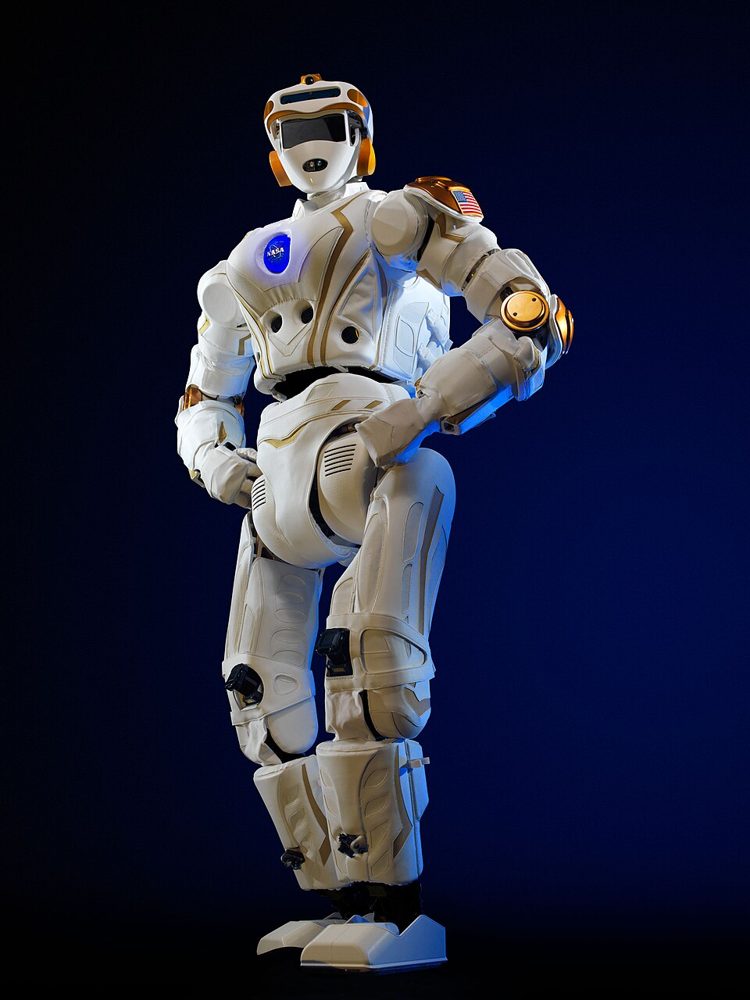
A humanoid robot called Tiangong Ultra is being presented as the fastest machine of its kind, because apparently robots have moved past taking our jobs and are now coming for our deeply mediocre jogging records.
Humanoid machines are learning to move naturally
Robotics teams are trying to make two-legged machines faster, more stable and more useful outside carefully controlled laboratories. Running requires constant balance corrections, reliable joints and rapid decisions about where each foot lands.
Those skills matter beyond racing. A robot that can move quickly over uneven ground could eventually assist with inspections, disaster response, deliveries and industrial work designed around the human body.
A speed demonstration is not a complete résumé
Videos of robots running, dancing or surviving a shove are designed to display progress. Real-world usefulness also depends on battery life, cost, reliability, safety and whether the machine can complete boring tasks repeatedly without requiring six engineers and a ceremonial reboot.
Humanoid design has advantages because buildings, stairs and tools were created for people. It also creates enormous engineering challenges. Wheels remain simpler for many jobs, even if they produce less exciting promotional footage.
Gen X grew up with robots that spoke in monotone, waved flexible tubing and warned families about danger. Tiangong Ultra can run. The next milestone should be teaching it to carry all the groceries in one trip, because technological progress needs standards.
Facts first. Side-eye included.
DJF separates what is confirmed from what is claimed—and tells you why this particular mess is worth your time.

Wade Crowley
Strange News & Small-Town WeirdWade collects stories that begin with “You are not going to believe what happened at the Walmart.” He covers odd crime, local legends, UFOs, and reality losing the plot.
“Somewhere, a police report is already getting weirder.”