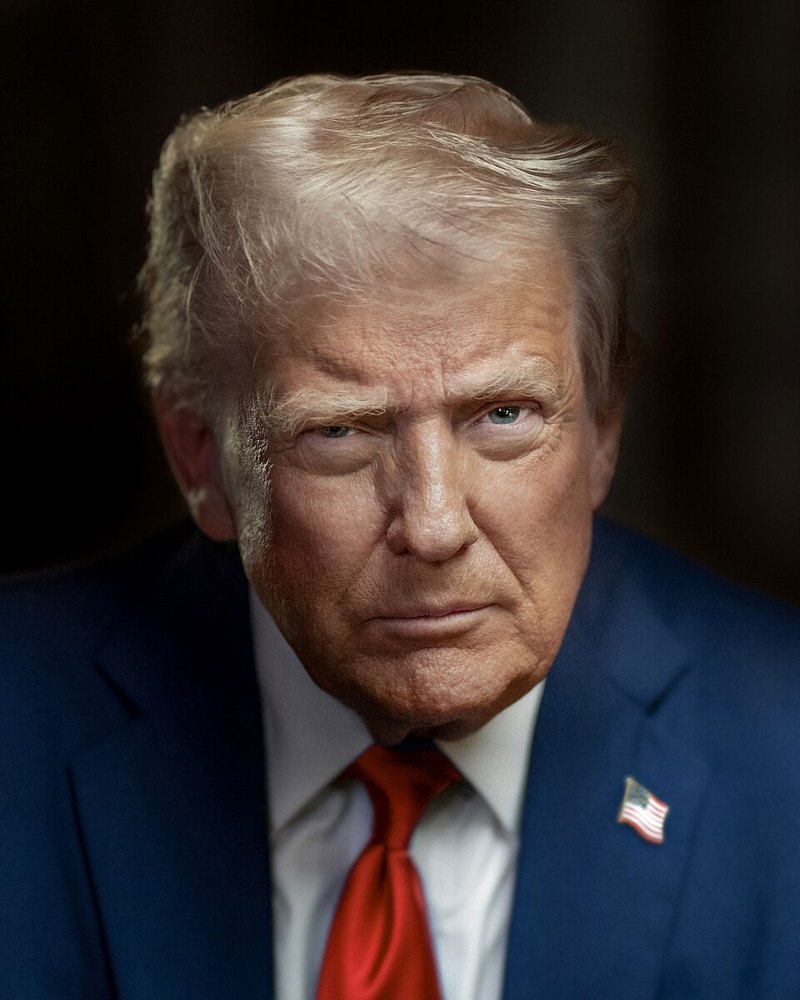
Donald Trump told a Hispanic Heritage Month gathering that he has done “a bad job” explaining his economic record. It was a rare presidential confession, although the explanation arrived dressed as a messaging problem rather than the possibility that voters can read a gas-station sign without a federal interpreter.
The White House is beginning a 32-day campaign blitz aimed at selling the economy before the midterm elections. Trump argues that growth, investment and his tax policies deserve more credit. Voters are also looking at gasoline prices, tariffs and household costs, because the family budget has a stubborn habit of refusing to applaud a press release.
Confidence has fallen with the sales pitch
Reuters reported that consumer confidence has reached a 12-and-a-half-year low while Trump's approval on the economy has weakened. The Iran war and its effects on energy markets have made fuel prices especially visible. Tariffs remain part of the administration's economic program, with their costs and benefits still fiercely disputed.
Trump framed the gap as a communications failure: the economy is strong, he said, but his administration has not explained it well. Every administration eventually blames the brochure. The harder possibility is that people judge economic policy through rent, groceries, insurance and the glowing numbers on the pump.
A campaign tour cannot repeal arithmetic
The coming appearances may sharpen the administration's case on jobs, manufacturing and investment. They will also give opponents repeated opportunities to compare presidential claims with household expenses. Both sides will cherry-pick the statistic that looks least like a tire fire.
Reuters reported Trump's remarks and the political backdrop on September 30, 2026.
Presidents deserve to make their case, and voters deserve the full ledger rather than a mood board. If the administration wants credit for the good numbers, it owns the bad ones too. Calling the problem “messaging” may comfort campaign professionals, but a slogan cannot make a gallon of gasoline cheaper. The economy is not a reality show contestant. It does not survive elimination night by insisting the edit was unfair.
Facts first. Side-eye included.
DJF separates what is confirmed from what is claimed—and tells you why this particular mess is worth your time.

Dana Side-Eye
Receipts, Rumors & Internet NonsenseDana reads the fine print, checks the timeline, and keeps one eyebrow permanently raised. She covers viral claims, internet pile-ons, and suspiciously convenient explanations.
“Screenshots are forever. So is the side-eye.”