The Russia sanctions waiver is in the actual executive order, not merely a campaign remark. President Donald Trump’s October 16 order invokes the Graham Act’s waiver authority to suspend new duties, restrictions and sanctions. The document says a national-interest certification and explanatory report went to Congress. The switch is installed beside the machinery it turns off, which is certainly one approach to implementation.
The order describes higher duties on Russian goods and certain countries connected to Russian energy purchases, then waives their application. It also preserves specified earlier executive-order measures against Russia. That distinction matters: waiving this package is not the same as abolishing every American sanction on Russia.
The waivers remain until the president or authorized officials determine further action is appropriate. Associated Press reported October 17 that the decision drew congressional criticism, including from Democratic Senator Richard Blumenthal. The controversy concerns the use of discretion contained in the law, rather than a claim that the legislation never existed.
Analysis: a sanctions announcement has at least two audiences. Governments and businesses need to know what restrictions actually apply; voters hear a broader statement about resolve. When the operative text and the political sales pitch diverge, the text deserves the first read. A dramatic percentage in one section cannot be understood without the exception a few paragraphs later. The fine print has once again declined to remain fine.
The national-interest rationale also deserves scrutiny on its own terms. Claiming that an action serves that interest explains the administration’s stated position; it does not independently demonstrate the outcome. Conversely, criticism of the waiver is not itself proof that every earlier restriction has disappeared. Both exaggerations would leave readers less informed about the policy now in force.
For the next update, watch for a published change to the waiver, an implementing measure or a concrete congressional response. The present development is sufficiently consequential without pretending it settles the war or guarantees a fuel-price result. Washington has produced a law, an implementation order and a waiver. Anyone looking for the operative policy should bring reading glasses, not a victory banner.
Sources and photograph
White House, October 16 executive order. Associated Press, October 17 reporting.
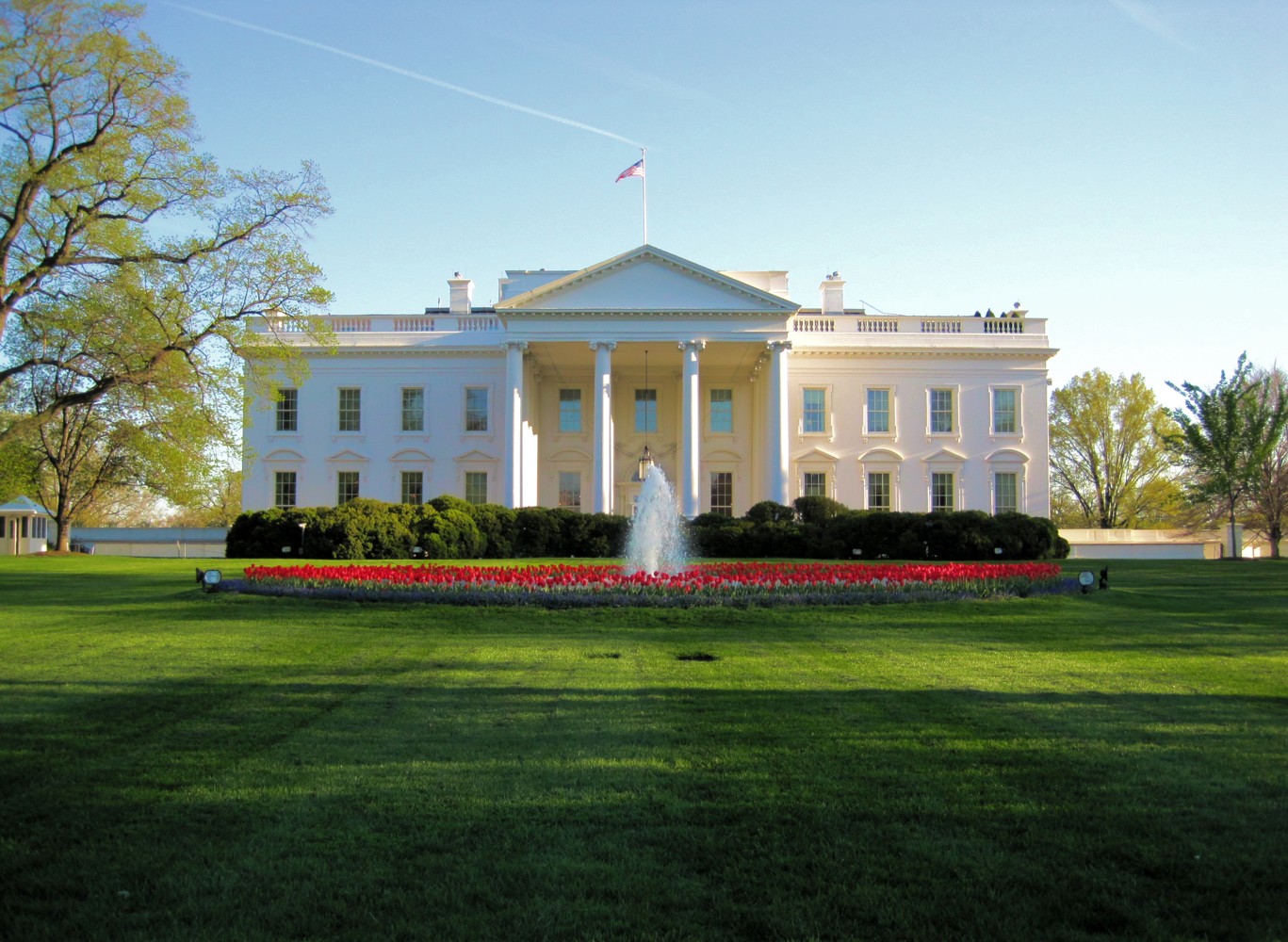
File photograph of the White House in 2009; not the signing of the October 16, 2026 order. Photo: Francisco Anzola; CC BY 2.0. Display copy resized. Original photograph and rights record. Image-use terms.

More from this Daily Junk Food section.
Facts first. Side-eye included.
DJF separates what is confirmed from what is claimed—and tells you why this particular mess is worth your time.

Dana Side-Eye
Receipts, Rumors & Internet NonsenseDana reads the fine print, checks the timeline, and keeps one eyebrow permanently raised. She covers viral claims, internet pile-ons, and suspiciously convenient explanations.
“Screenshots are forever. So is the side-eye.”