Reported development and labeled analysis, November 1: President Donald Trump criticized a reported contract worth more than $50 million involving his former lawyer Alina Habba Mildon in remarks Saturday, Reuters reports. The new development is his October 31 response. DJF has not independently obtained the employment agreement or established that any payment was exchanged for clemency.
Habba Mildon denies being paid for a pardon, meeting White House or Justice Department personnel about one, or doing pardon work for anyone, according to Reuters. That denial belongs near the top of the account, not hidden after a headline that has already declared a crime.
What the reporting says
Reuters, citing The New York Times' reporting, says Julio Herrera Velutini's family guaranteed Habba Mildon more than $50 million over four years through Concord Partners. The reported agreement included an annual $10 million salary plus bonuses. The contract's terms and employment chronology remain attributed reporting here, not documents DJF has independently authenticated.
Trump told reporters at Mar-a-Lago that he disapproved of the arrangement and said he had told Habba Mildon he did not want her paid, Reuters reports. His criticism does not independently verify every term of the agreement or resolve questions about the work performed.
What the public clemency record establishes
The Justice Department's clemency list places Julio M. Herrera Velutini among the January 15, 2026 pardon recipients. It also lists an amended pardon on January 20 concerning a foreign-national contribution offense. The list identifies the relevant district as Puerto Rico and does not supply an employment agreement with Habba Mildon.
A public pardon record establishes that clemency was granted. It does not establish why a private contract was signed, whether particular services were performed or whether a payment influenced a decision. The date sequence can support further questions without being converted into a finding of an exchange.
DJF analysis: outrage is not an audit
Calling a reported arrangement unacceptable is a public response. It is not a substitute for the agreement, payment records, a clear description of services and an account of any applicable government-role approvals. The useful accountability questions concern those records, not how emphatically someone dislikes a headline.
The same standard applies to a denial: report it accurately, then distinguish it from an independently established finding. This article does not allege a proven bribe or claim that a court has found an improper exchange. It asks for evidence sufficient to test the public explanations.
Follow our Politics & Power coverage for documented developments. A presidential reaction can move the story forward; it cannot do the work of the missing records.
Editorial note: This article draws on the linked sources and may include clearly labeled opinion or unconfirmed reports. We have not independently verified every source claim. Publication does not establish an unconfirmed claim as fact; developing details may change.
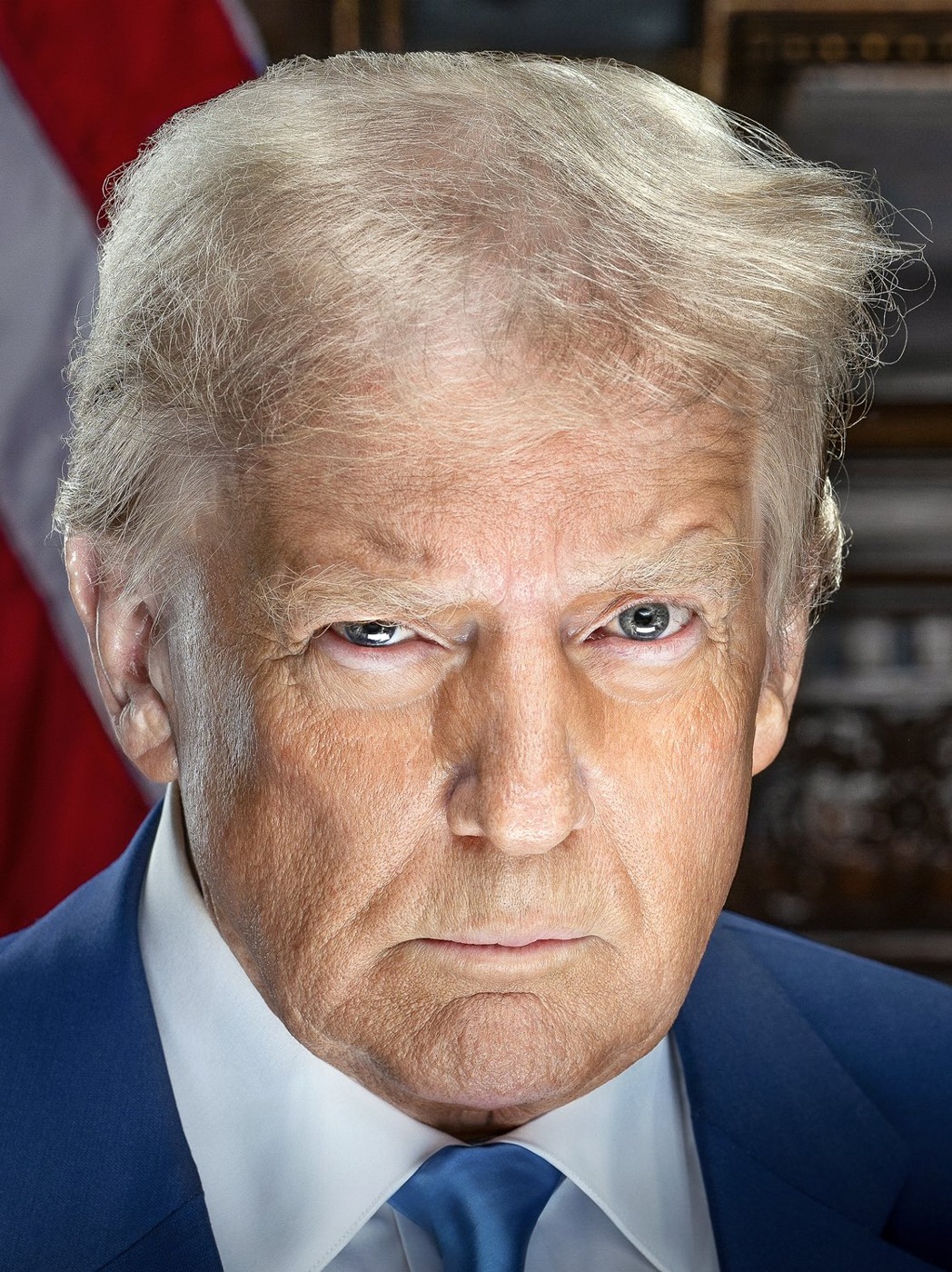
Photo: Daniel Torok, official portrait rights record, January 15, 2025; public-domain dedication. Headshot crop, resized file photograph; not the remarks or the reported agreement.

Facts first. Side-eye included.
DJF separates what is confirmed from what is claimed—and tells you why this particular mess is worth your time.