Reported announcement with clearly labeled DJF analysis — October 31, 2026. The underlying DOJ release is dated October 30.
The Justice Department announced Friday that four jurisdictions had been selected for nearly $300 million through its Model Cities Initiative. The places named are Jacksonville, Florida; East Baton Rouge Parish, Louisiana; Jackson, Mississippi; and St. Louis, Missouri. The money is substantial. A press release is the beginning of the accountability trail, not its conclusion.
DOJ’s updated release identifies the funded departments and says officials will work with each jurisdiction to finalize and implement public-safety plans. It describes support that can include personnel, technology, equipment, forensic capacity and services addressing substance use, mental health and recidivism. Those are intended uses, not verified accomplishments.
What the announcement does—and does not—tell us
The release gives a combined funding figure and names recipients. It does not provide a jurisdiction-by-jurisdiction dollar allocation in the text reviewed by DJF. We are not dividing the total into four equal awards or reporting the full amount as money already spent.
DOJ says Attorney General Todd Blanche will visit the selected jurisdictions in November to present awards and meet local officials. That is a stated plan. This article does not turn the planned visits into completed events or infer their dates from a campaign calendar.
DJF analysis: follow the agreement after the applause
The useful next documents are the award terms, individual amounts, implementation schedules and measures of performance. Those details would let residents distinguish an announced investment from a delivered service. They would also show which institution is responsible when a timetable slips or a promised activity changes.
Public-safety spending can contain very different kinds of work. Hiring a person, acquiring a tool and supporting a service each have different costs and ways of being evaluated. A combined headline number cannot explain whether a particular community received the help its plan proposed. That question needs local detail.
The same care applies to outcomes. A later change in crime figures should not automatically be credited to a program simply because the announcement came first. Readers should ask which measures were selected, what period they cover and what other changes occurred. These are evaluation questions, not a claim that the initiative will succeed or fail.
A public record beats a victory graphic
The department’s announcement is an attributable government action worth covering. Its optimistic language remains the department’s assessment. DJF has not independently verified the release’s broader claims about national crime trends and is not using them as proof of this program’s effectiveness.
Nearly $300 million deserves more than a photograph of a ceremonial check. It deserves records that communities can compare with the promises. Follow Politics & Power for documented actions and clearly labeled accountability analysis.
Sources and photograph
DOJ, October 30 release and updated recipient list.
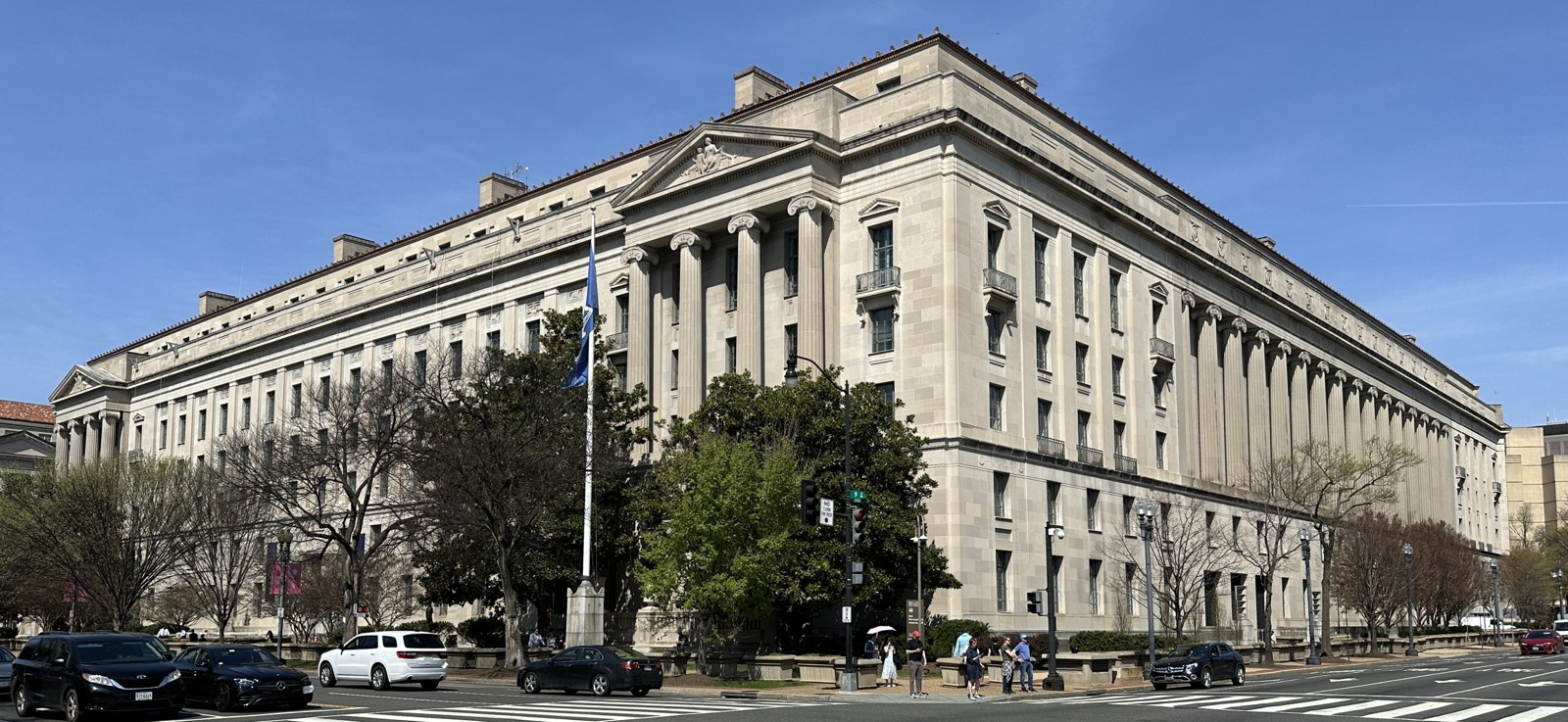
File photograph: Robert F. Kennedy Department of Justice Building, Washington, D.C., March 31, 2026. Not an award presentation. Photo: APK / CC BY 4.0; resized. Photograph source and rights record. Image-use terms.

Editorial note: This article draws on the linked sources and may include clearly labeled opinion or unconfirmed reports. We have not independently verified every source claim. Publication does not establish an unconfirmed claim as fact; developing details may change.
Facts first. Side-eye included.
DJF separates what is confirmed from what is claimed—and tells you why this particular mess is worth your time.