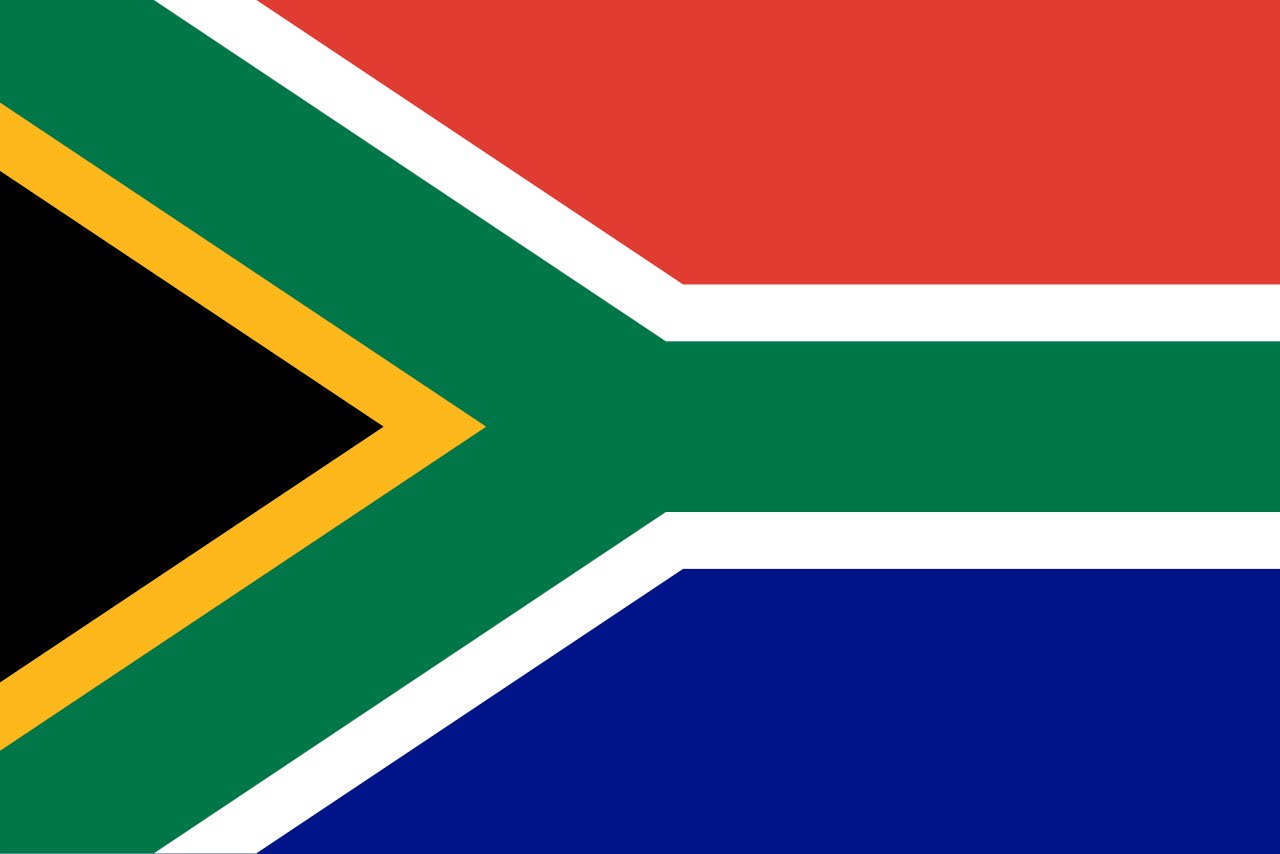
The Trump administration has announced new visa restrictions against South African officials it says are responsible for racial discrimination, uncompensated land seizures or incitement against minority groups. Secretary of State Marco Rubio did not initially name the people affected. Apparently sanctions now arrive like mystery subscription boxes: the policy is public, but the recipient list comes later.
Pretoria says the premise is false
South Africa's government rejects the administration's claim that white citizens face state-backed persecution. Its leaders say land reform and affirmative-action policies address the vast inequalities left by apartheid, when the white minority controlled political power and most productive land.
The dispute is bigger than a visa list. The administration has already cut some aid, excluded South African officials from meetings and created a refugee route focused on Afrikaners. Washington has also criticized South Africa's case against Israel at the International Court of Justice.
A policy fight wrapped in a culture war
Associated Press reported the new restrictions on September 16, 2026. South African officials argue that violent crime affects communities across racial lines and that sensational claims erase both present realities and apartheid history.
Gen X remembers when sanctions against South Africa meant pressure to dismantle white-minority rule. Watching the word return in a campaign framed around alleged discrimination against whites is historical whiplash. The serious questions are which officials are being punished, what verified conduct triggered the penalties and whether visa bans can improve policy rather than merely feed another transatlantic grievance machine.
Facts first. Side-eye included.
DJF separates what is confirmed from what is claimed—and tells you why this particular mess is worth your time.

Dana Side-Eye
Receipts, Rumors & Internet NonsenseDana reads the fine print, checks the timeline, and keeps one eyebrow permanently raised. She covers viral claims, internet pile-ons, and suspiciously convenient explanations.
“Screenshots are forever. So is the side-eye.”