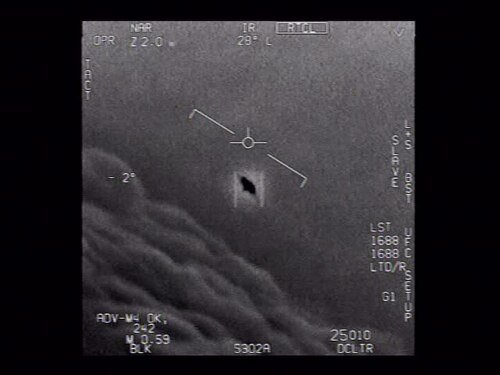
A newly organized UAP Science Advisory Council has met with officials connected to the Office of the Director of National Intelligence, and its chair says the U.S. government is making a sincere effort to understand unidentified anomalous phenomena. That does not mean aliens have requested parking validation. It means scientists want better data about things observers cannot readily identify.
UAP is a question, not an answer
The modern term “unidentified anomalous phenomena” covers reports involving objects or events in the air, sea or space that remain unexplained after initial review. Some cases eventually turn out to involve balloons, drones, satellites, atmospheric effects or sensor artifacts. A smaller portion remains unresolved because the available evidence is incomplete.
The council gathered privately with officials to discuss scientific standards and ways to improve analysis. The central challenge is familiar: extraordinary interpretations spread quickly, while the slow work of collecting calibrated sensor data, interviewing witnesses and eliminating ordinary explanations rarely becomes a viral clip.
Serious investigation does not require a predetermined conclusion
Space.com reported the council discussion on September 14, 2026. The new effort follows years of public pressure for more transparency around military sightings and government records.
Studying unexplained events can improve aviation safety, reveal foreign surveillance systems and identify gaps in sensors even if no exotic explanation survives. Openness also helps separate documented incidents from recycled videos, miscaptioned photographs and somebody’s porch light filmed at maximum zoom.
Gen X has been preparing since the late-night reruns
We were raised on In Search Of..., supermarket tabloids and unsolved-mystery theme music capable of making a coat rack feel extraterrestrial. Curiosity is healthy. So is skepticism. The best UAP investigation should welcome both: publish what can be published, protect legitimate security details, show the evidence and admit when the evidence is not enough. The truth may be stranger than fiction, but it should still come with readable footnotes.
Facts first. Side-eye included.
DJF separates what is confirmed from what is claimed—and tells you why this particular mess is worth your time.

Wade Crowley
Strange News & Small-Town WeirdWade collects stories that begin with “You are not going to believe what happened at the Walmart.” He covers odd crime, local legends, UFOs, and reality losing the plot.
“Somewhere, a police report is already getting weirder.”