The Uber black cab lawsuit has reached a very expensive stop sign. On October 19, London’s High Court dismissed linked claims seeking roughly £340 million. The crucial reason was timing: Mr Justice Birt found the claims were brought too late. This was not a trial verdict deciding the underlying allegations. The distinction is less catchy than a corporate victory lap, which is precisely why it belongs near the top.
Reuters says the claims involved about 13,000 black cab drivers and the assigned claims of two former private-hire businesses. They concerned alleged misleading information surrounding Uber’s London licensing; Uber denied wrongdoing. The judge concluded the alleged deception could have been discovered more than six years before the 2024 lawsuits.
HSF Kramer, which represents Uber, explains that the court tried limitation as a preliminary issue. Whether the company committed the alleged unlawful-means conspiracy was not determined. That account is useful for the procedure, with the firm’s role plainly identified. Reuters also reports the claimants’ litigation manager is considering available options; that is not an announced successful appeal.
Our take: procedural outcomes are real outcomes. The drivers have not received a trial on those underlying claims, and Uber has secured their dismissal. But neither fact authorizes a commentator to invent a finding the judge did not make. A case can end decisively while leaving the accusation itself untried. Court coverage gets worse when every result has to become a morality play.
The broader point is how much the clock matters in a dispute. Public attention usually goes to the colorful allegation, the famous defendant and the number with all the zeroes. The less glamorous question—when sufficient information was available—can decide whether any of that reaches a substantive trial. Apparently the calendar is not just there to remind everyone about their next meeting.
That leaves two things to watch: any actual next legal step from the claimants and the exact scope of any subsequent order. Neither should be guessed from disappointment or celebration outside court. This ruling disposes of these claims on limitation grounds. It does not settle every argument about ride-hailing, London licensing or competition, and it should not be packaged as though it did.
Sources and photograph
Reuters, Sam Tobin, October 19. HSF Kramer, counsel for Uber, account of the October 19 judgment. Judgment reference: White / Peters v Uber, [2026] EWHC 2651 (Comm).
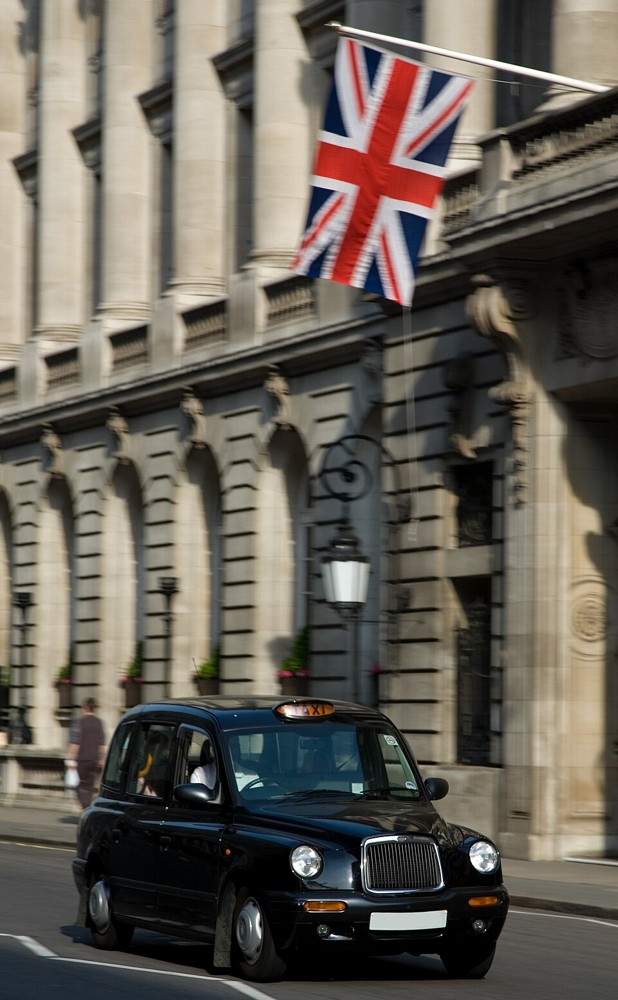
Representative archival London taxi photograph, April 21, 2007. The vehicle and occupants are not identified as participants in the litigation. Photo: DAVID ILIFF; CC BY-SA 3.0. Display copy resized. Where applicable, the resized photograph retains the stated ShareAlike license. Original photograph and rights record. Image-use terms.

More from this Daily Junk Food section.
Facts first. Side-eye included.
DJF separates what is confirmed from what is claimed—and tells you why this particular mess is worth your time.

Dana Side-Eye
Receipts, Rumors & Internet NonsenseDana reads the fine print, checks the timeline, and keeps one eyebrow permanently raised. She covers viral claims, internet pile-ons, and suspiciously convenient explanations.
“Screenshots are forever. So is the side-eye.”