A federal judge has refused to dismiss a lawsuit accusing WWE and former executives Vince and Linda McMahon of liability for alleged sexual abuse of teenage “ring boys” during the 1980s and 1990s. Reuters reported the October 20 development after U.S. District Judge James Bredar ruled that the eight anonymous plaintiffs may continue their case under Maryland law. Continue is the operative word; the court has not entered a verdict on the underlying allegations.
The plaintiffs filed the lawsuit in 2024. They allege that announcer Melvin Phillips recruited them as part-time crew members and that Phillips and two other officials, all now deceased, abused them. The claims against WWE and the McMahons include negligence and negligent hiring and retention. The plaintiffs seek unspecified damages.
The defendants argued that Maryland’s 2023 law, which removed the statute of limitations for civil claims involving childhood sexual abuse, could not constitutionally revive claims that were previously time-barred. Bredar rejected that challenge, finding that the law served a legitimate purpose in addressing barriers survivors face. Similar revival laws have produced different outcomes in other states, which is why this legal fight is larger than one wrestling company.
Vince and Linda McMahon have previously denied knowing about the alleged abuse. WWE and their lawyers did not immediately respond to Reuters requests for comment on Tuesday. Those denials belong in the record just as the plaintiffs’ allegations do. A judge allowing a complaint to move forward means the claims can be litigated; it does not mean every factual dispute has already been resolved.
Our take: professional wrestling spent decades teaching audiences to recognize the difference between the advertised showdown and the finish. Court coverage should manage the same basic skill. “Must face lawsuit” is consequential. “Found liable” would be a different headline, from a later stage, supported by a judgment that does not yet exist.
The ruling also highlights the hard balance behind revival statutes. Legislatures have tried to account for the reasons childhood-abuse survivors often disclose years later. Defendants argue that old cases are difficult to defend when witnesses die and evidence disappears. Bredar concluded those concerns did not make Maryland’s law unconstitutional as applied here.
The next developments will come through discovery, motions, possible settlement talks or trial preparation. The case is Doe v. World Wrestling Entertainment in federal court in Maryland. For now, the court has opened the next door. It has not written the last page, declared a winner or rung a bell over anyone’s legal liability.
Sources and photograph
Reuters, Daniel Wiessner, October 20.
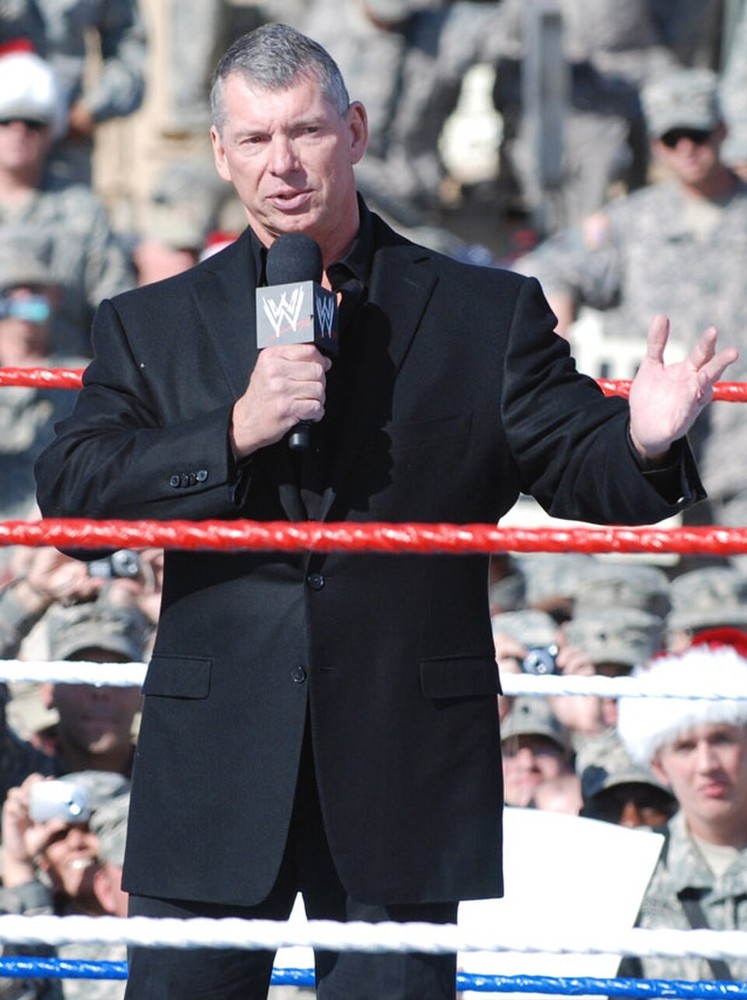
Archival 2008 photograph of Vince McMahon; not a court appearance, an accuser or evidence in the lawsuit. Photo: U.S. Army/Sgt. DaleAnne Maxwell; Public domain (U.S. federal government). Display copy resized. Where applicable, the resized photograph retains the stated ShareAlike license. Original photograph and rights record. Image-use terms.


More from this Daily Junk Food section.
Facts first. Side-eye included.
DJF separates what is confirmed from what is claimed—and tells you why this particular mess is worth your time.

Dana Side-Eye
Receipts, Rumors & Internet NonsenseDana reads the fine print, checks the timeline, and keeps one eyebrow permanently raised. She covers viral claims, internet pile-ons, and suspiciously convenient explanations.
“Screenshots are forever. So is the side-eye.”