Reporting and labeled analysis · October 26, 2026
Archival/context analysis — October 26, 2026
This article examines an encounter reported on September 19, 1976. It is not a report of a new sighting or a newly released October 2026 document. The cause of the reported observations is not established by the records examined here.
A government website can preserve a fascinating document without endorsing every sentence inside it. That distinction is the front door to the Tehran UFO case. Skip it and a document archive becomes a rumor machine with a very impressive letterhead.
The useful question is not whether a file looks official. It is what kind of file it is, who wrote it, and what it can actually support.
What the military report records
The archived report describes civilian telephone calls about unusual lights near Tehran and two F-4 intercepts. It says the first aircraft lost instrumentation and communications while approaching, then regained them after turning away. The second crew reportedly obtained a radar lock and described intensely bright, changing lights.
The account also says a pilot tried to fire an AIM-9 missile but experienced a weapons-control and communications failure. A later passage describes an apparent descent toward the ground. The reported daylight inspection found nothing at the suspected landing spot on a dry lake bed.
Those are statements in a report, not independently established explanations. The sequence deserves examination, but the document does not itself identify an extraterrestrial vehicle or establish what caused the equipment problems.
The second document is a different animal
The NSA also hosts a scanned publication titled The U.S. Government and “The Iran” Case. Its narrative speaks as IUR, discusses UFO researcher Charles Huffer obtaining the teletype through the Freedom of Information Act, and reproduces the wire message.
That makes it a newsletter account preserved in an official archive, not an NSA-authored finding that aliens visited Tehran. Its own account says inquiries through a military liaison produced an explanation that sensitive Middle East material was routinely circulated to senior offices. That is the newsletter’s description of those conversations, not a separate finding verified here.
An impressive distribution list can tell us where paperwork traveled. It cannot, on its own, tell us what was flying. A copy sent upstairs is not the same thing as a conclusion signed upstairs.
What would make the evidence stronger?
To diagnose a reported equipment failure, an investigator would want more than a narrative: maintenance records, contemporaneous technical measurements, operating conditions and a way to test competing explanations. To evaluate a radar claim, the underlying recording and its interpretation matter. This review does not establish those materials from the two linked documents.
That limitation is not proof that nothing happened. It is a limit on what these particular records establish. A witness account, a summary of that account and a later discussion of the summary are not three independent measurements.
The same caution applies in the other direction. Calling a case solved requires evidence for the proposed solution. This article supplies no new technical diagnosis and assigns no final cause.
Keep the mystery. Keep the labels, too.
The Tehran file is useful precisely because readers can compare an archived military narrative with a publication discussing its circulation. Read both, rather than treating the web address as the author.
Our analysis: curiosity works better when the paperwork stays in order. Separate event date from archive date, reported observation from interpretation, and preservation from endorsement. The mystery can survive a careful reading. The inflated headline might not.
For the newer release coverage and the separate problem of counting triangle-shaped reports, use the related articles below. Neither subject changes what this 1976 material can prove.
Related coverage
October 23 UFO release: evidence and limits · Why triangle-UFO counts need a method · Science & Unexplained archive
Sources and photograph
- Original archived military report concerning the September 19, 1976 Iran sighting
- NSA-hosted IUR publication: The U.S. Government and The Iran Case
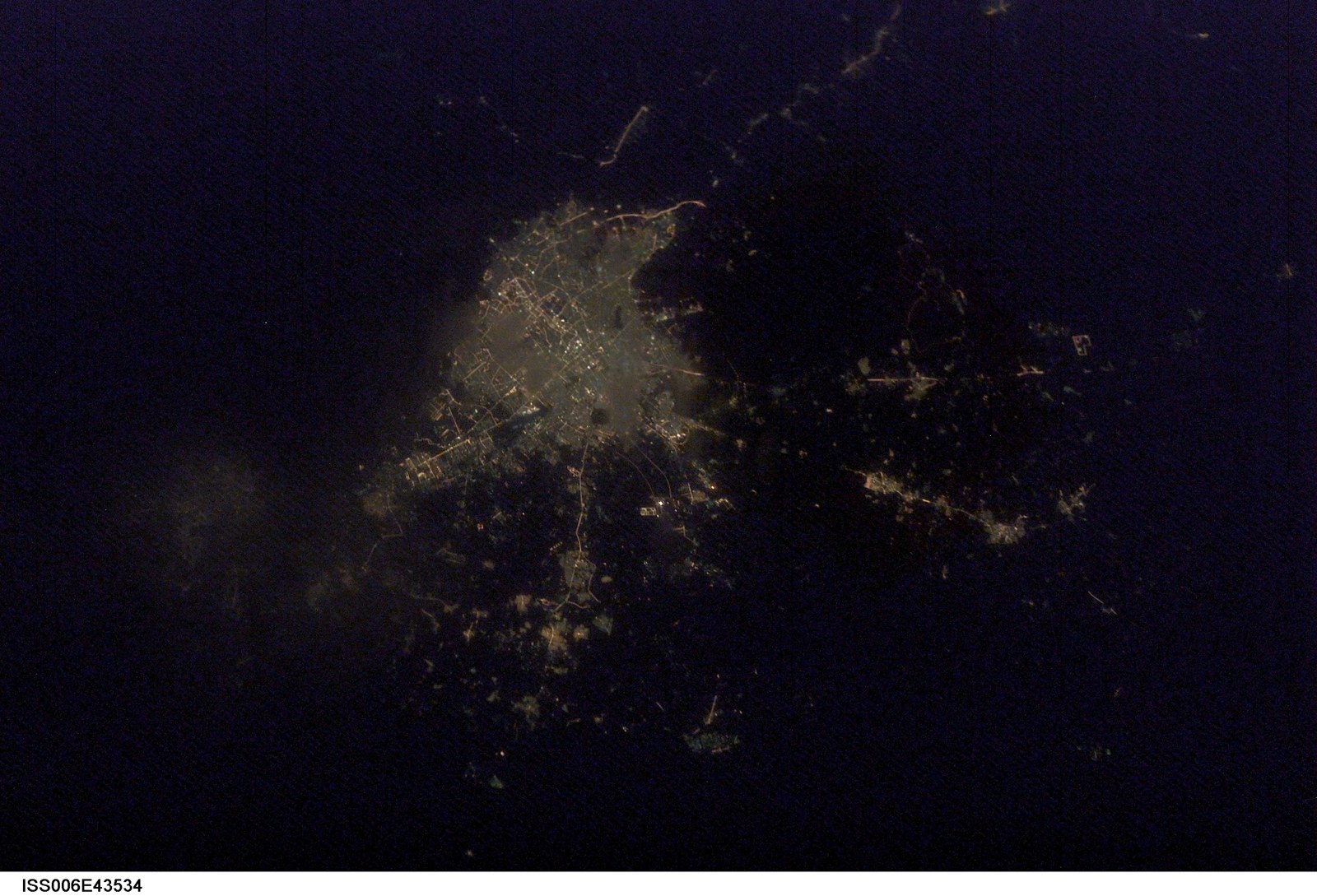
- NASA photograph record: ISS006-E-43534
- Photograph source and public-domain status

File photograph: Tehran at night from the International Space Station on April 6, 2003, NASA image ISS006-E-43534. Geographic context only; this does not depict the 1976 encounter or a UFO. Photo: NASA/Johnson Space Center, public domain. Display copy resized and recompressed.
Editorial note: This article draws on the linked sources and may include clearly labeled opinion or unconfirmed reports. We have not independently verified every source claim. Publication does not establish an unconfirmed claim as fact; developing details may change.
Facts first. Side-eye included.
DJF separates what is confirmed from what is claimed—and tells you why this particular mess is worth your time.