A Catholic-evangelical immigration statement is asking Americans to approach the issue with Christian compassion and wisdom. Released October 13 and receiving fresh coverage October 15, the appeal comes from Bishop Brendan Cahill and the Rev. Walter Kim, co-chairs of the Evangelical-Catholic Dialogue on Immigration. Its significance is the shared voice, not a claim that two traditions have suddenly become identical.
Cahill chairs the U.S. Conference of Catholic Bishops’ migration committee; Kim is president of the National Association of Evangelicals. The bishops’ announcement describes the document as the first immigration statement of its kind jointly issued by senior Catholic and evangelical leaders. That is a description of this particular collaboration, not a claim that Christians have never worked together on immigration before.
The leaders express concern about families and communities being fractured by indiscriminate, aggressive enforcement. The USCCB announcement points particularly to families with differing immigration statuses and people whose protections have been revoked. These are the concerns the religious leaders are articulating. The statement itself does not grant legal status, suspend enforcement or enact an immigration bill.
The dialogue began in March 2026. Its structure brings representatives of the two traditions together to pray, discuss pastoral realities and identify opportunities for cooperation. That makes this release more than an isolated pair of matching social-media posts. It is an outcome of a continuing relationship, although it should not be mistaken for unanimous agreement among every Catholic or evangelical voter.
Analysis: the document complicates the habit of treating religious identity as a ready-made political instruction. Churches can share a concern about how people are treated while disagreeing elsewhere. A joint appeal is not the same as a party merger. Apparently it remains possible to talk across differences without first ordering identical campaign merchandise.
The substantive test is how compassion is translated into proposals and conduct. Broad agreement about dignity does not automatically settle every question about enforcement, admission or legal processes. Readers can take the appeal seriously while still asking what specific actions its authors want and how those actions would work. Moral language deserves engagement, not merely applause or dismissal.
The date is worth keeping straight: this is current coverage of an October 13 statement, not an overnight policy announcement. It adds a notable ecumenical voice to an ongoing debate. The leaders are asking that families and communities remain visible in that debate, rather than being reduced to numbers that can be moved around until the political arithmetic looks convenient.
Sources and photograph
USCCB, October 13 announcement. Evangelical-Catholic Dialogue on Immigration and statement. Religion News Service, October 15 reporting.
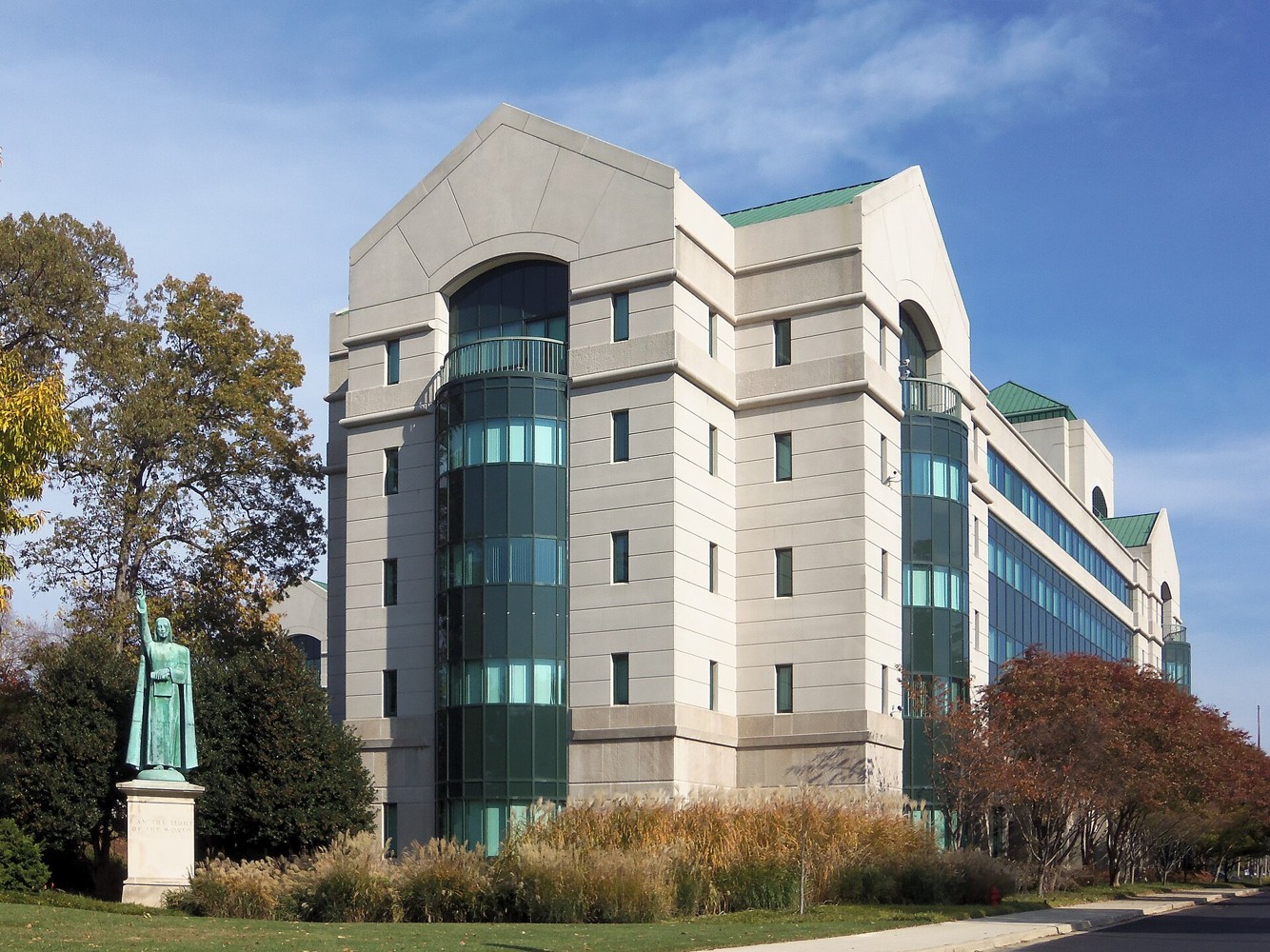
File photograph of USCCB offices; not a photograph of the statement’s release, a protest or an immigration enforcement operation. Photo: Farragutful; CC BY-SA 3.0. Display copy resized. Original photograph and rights record. Image-use terms.

More from this Daily Junk Food section.
Facts first. Side-eye included.
DJF separates what is confirmed from what is claimed—and tells you why this particular mess is worth your time.

Dana Side-Eye
Receipts, Rumors & Internet NonsenseDana reads the fine print, checks the timeline, and keeps one eyebrow permanently raised. She covers viral claims, internet pile-ons, and suspiciously convenient explanations.
“Screenshots are forever. So is the side-eye.”