The Chhattisgarh High Court has ordered the state government to answer a constitutional challenge to its 2026 anti-conversion law and accompanying rules. The petition argues that the measure interferes with freedom of religion and other fundamental rights. The state now has three weeks to respond, because apparently a private change of conscience requires the administrative energy of renewing a commercial driver's license.
The Chhattisgarh Freedom of Religion Act regulates religious conversion and creates procedures and penalties intended to prevent conversion through force, fraud or inducement. Supporters say such laws protect vulnerable people. Opponents argue that broad language, advance-notice requirements and official scrutiny can be used to intimidate adults making voluntary religious choices.
India's Constitution protects freedom of conscience and the right to profess, practice and propagate religion, subject to public order, morality and health. Courts have also recognized government authority to prohibit coercive conversion. The dispute is therefore not a simple contest between unlimited liberty and no regulation; it concerns whether this particular statute is precise, proportionate and compatible with constitutional guarantees.
Anti-conversion laws operate in several Indian states and frequently become entangled with interfaith marriage, missionary work and allegations of pressure against minority communities. Enforcement matters as much as wording. A law described as neutral can burden one group more heavily if complaints, investigations and arrests consistently follow political or sectarian lines.
The High Court has not ruled the statute unconstitutional. Its direction only requires the government to explain and defend the law while the case proceeds. Claims by either side should not be mistaken for findings, and no final remedy has been ordered.
The case could influence challenges to similar legislation elsewhere, especially if the court closely examines notice rules and the power given to officials. Protecting people from actual coercion is a legitimate goal. Turning belief itself into a suspicious transaction is where the constitutional questions begin unpacking their briefcases.
Sources and image information
Indian Express, Oct. 8, 2026: https://indianexpress.com/article/india/chhattisgarh-anti-conversion-law-high-court-challenge-freedom-of-religion-act-2026-10912213/; Constitution of India, Legislative Department: https://legislative.gov.in/constitution-of-india/
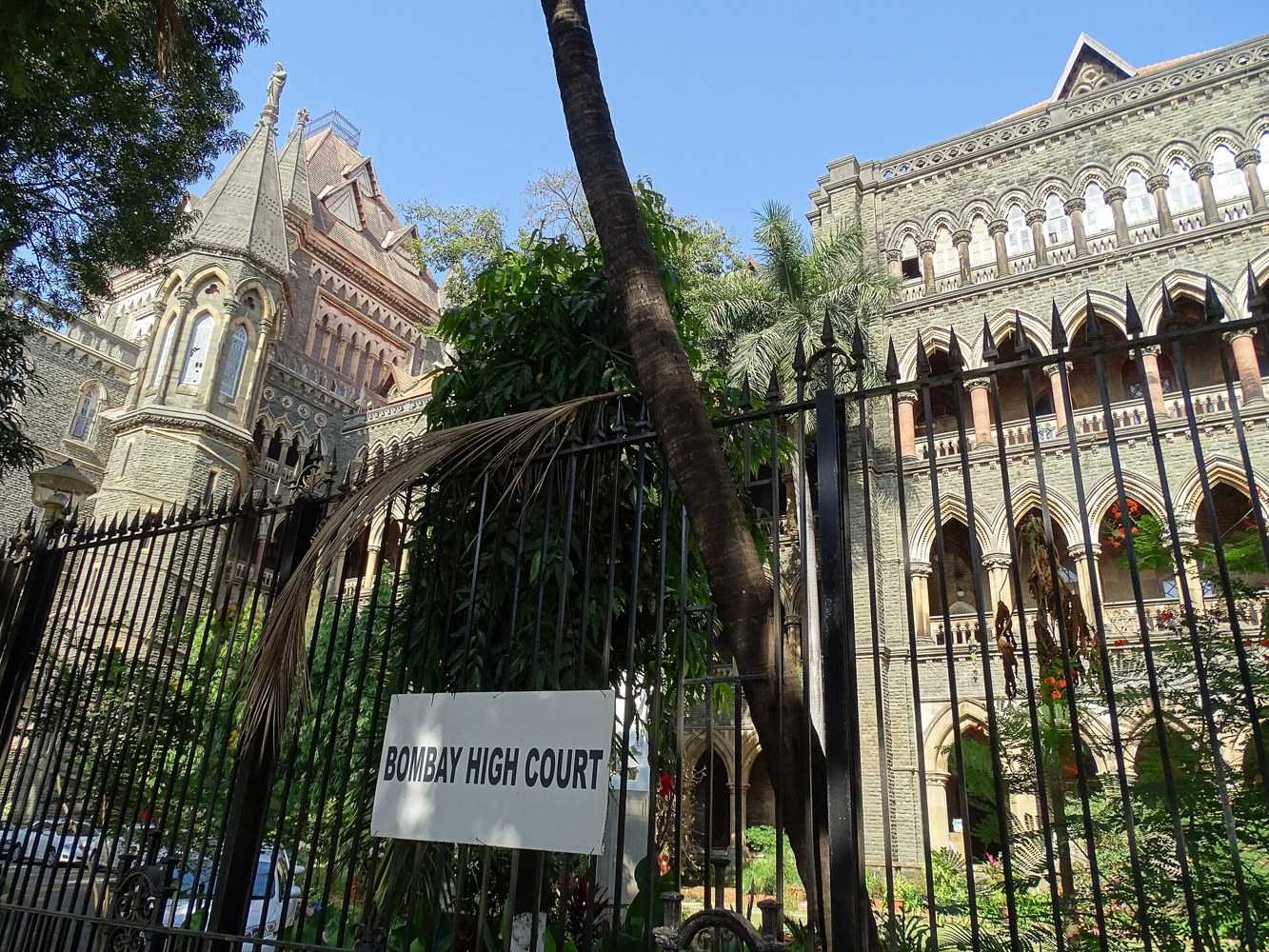
Photograph: Adam Jones from Kelowna, BC, Canada; CC BY-SA 2.0. Original file and rights record: Wikimedia Commons.
.jpg)
Facts first. Side-eye included.
DJF separates what is confirmed from what is claimed—and tells you why this particular mess is worth your time.