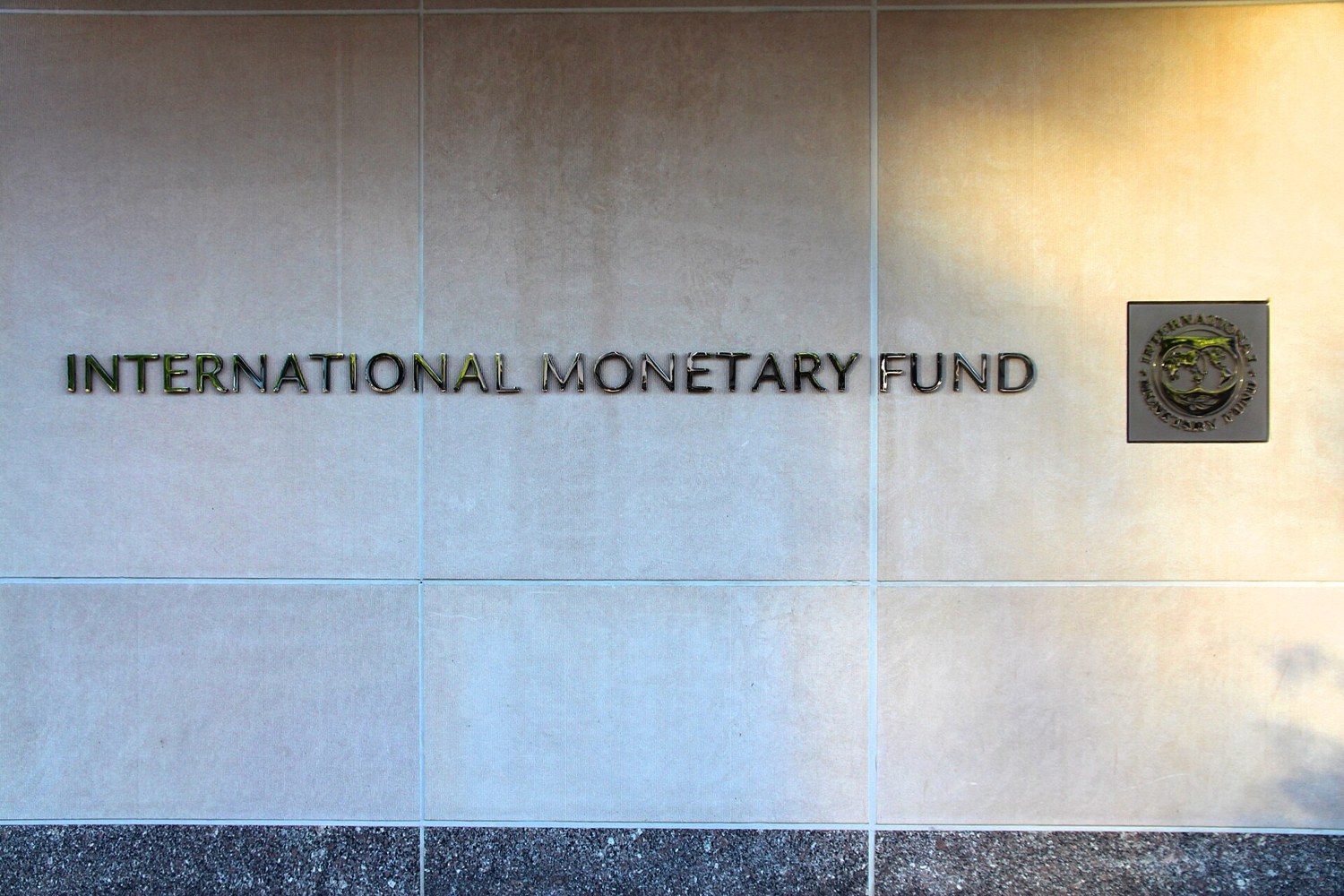
Finance ministers and central bankers are heading into the IMF and World Bank annual meetings in Bangkok with an agenda dominated by war, expensive debt and economic growth that keeps surviving just well enough to avoid being declared missing. The gathering begins as conflict in the Middle East, Russia's war in Ukraine and pressure on global trade make every forecast look like it was written on a restaurant napkin during turbulence.
Reuters reports that the closure of the Strait of Hormuz has disrupted a route that normally carries about one-fifth of the world's oil. Higher energy costs spread quickly into transportation, manufacturing and food prices, making the damage larger than the number displayed at the gas pump. Governments facing elections would prefer cheaper fuel, naturally, because economic theory becomes much more emotional when voters are standing beside a glowing price sign.
Debt will be the other uninvited keynote speaker. Many lower-income countries borrowed when interest rates were lower and now face heavier refinancing costs, weak currencies and limited room to fund health, education or climate protection. The early-pandemic debt-service suspension showed coordinated relief is possible, but diplomats told Reuters there is little appetite for another broad program.
The United States will be represented by Federal Reserve Chair Kevin Warsh, while Treasury Secretary Scott Bessent is skipping the meetings and a related Group of 20 gathering. That absence may irritate other governments seeking American participation on sanctions, trade and debt. International coordination works best when the largest economy actually turns up rather than leaving a strongly worded out-of-office reply.
Neither the IMF nor the World Bank can end wars or order private creditors to accept losses. They can provide emergency financing, research and a forum for restructuring negotiations. Critics will also watch whether the institutions demand austerity from struggling countries while wealthier members protect their own politically sensitive spending.
The meetings will produce communiqués full of words such as resilience, stability and cooperation. The real test comes afterward: whether countries reduce debt pressure, protect vulnerable households and keep another energy shock from becoming a global recession. The pastries are probably excellent. The balance sheets are not.
Sources and image information
Reuters, Oct. 11, 2026: https://www.reuters.com/world/china/middle-east-war-high-debt-levels-dominate-imf-world-bank-meetings-bangkok-2026-10-11/; International Monetary Fund: https://www.imf.org/
Photograph: Marek Ślusarczyk (Tupungato) Photo portfolio; CC BY 3.0. Original file and rights record: Wikimedia Commons.

Facts first. Side-eye included.
DJF separates what is confirmed from what is claimed—and tells you why this particular mess is worth your time.