SETI researchers are highlighting a proposal to search lunar material for microscopic technosignatures: tiny engineered particles that might have crossed interstellar space and become preserved in Moon dust. The SETI Institute has scheduled an October 15 discussion of the work. Humanity has reached the stage where even the Moon's dust bunnies may receive a background check.
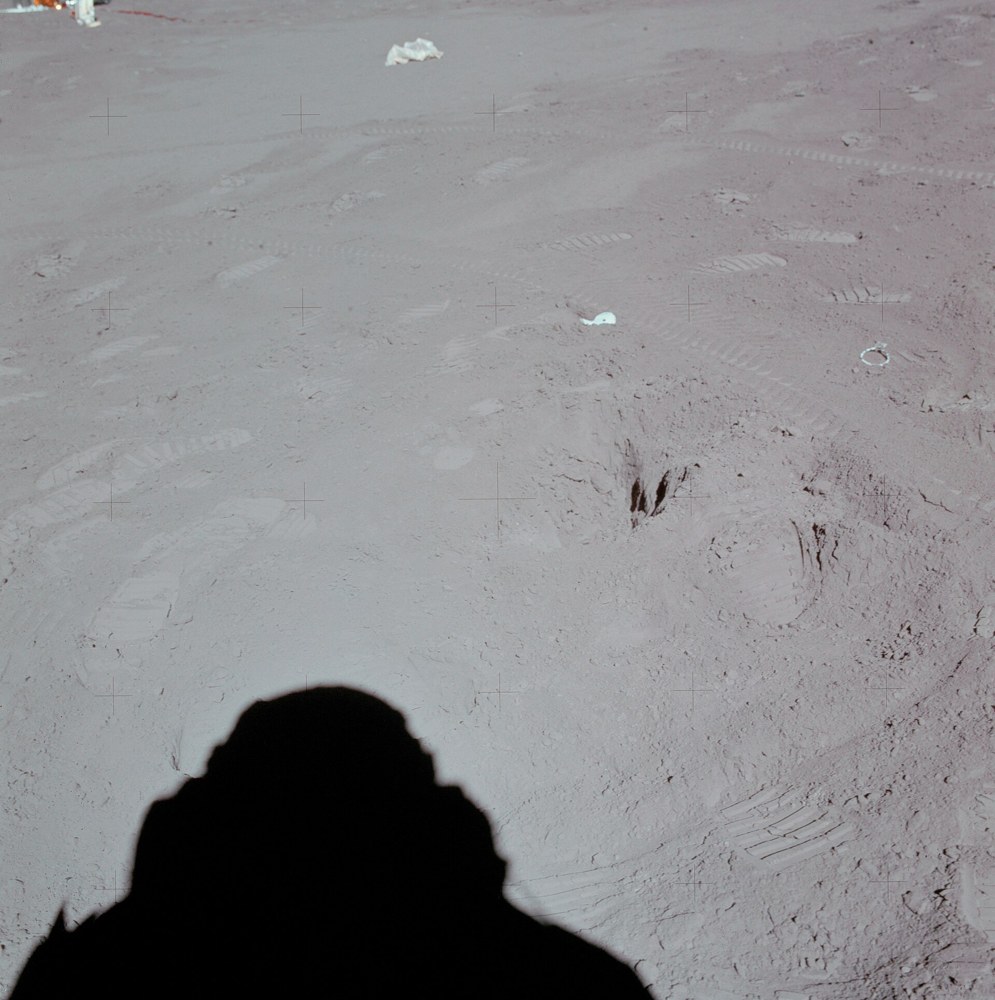
The idea links models of interstellar dust transport with lunar geology and modern microscopy. Earth is geologically active and has weather, oceans and biology constantly reworking its surface. The Moon offers an older, quieter archive where incoming particles can remain in soil for extremely long periods, although impacts and radiation still alter that record.
Researchers are not claiming that alien machinery has been found. They are proposing a method for examining existing and future lunar samples for structures or compositions difficult to explain through natural processes. A candidate would require repeat analysis, independent confirmation and careful exclusion of contamination from spacecraft, laboratories and Earth.
The phrase 'microscopic alien technology' sounds like somebody greenlit a streaming series before reading the paper. In scientific terms, the target could be an engineered particle rather than a miniature spaceship. The challenge is identifying features that unambiguously indicate manufacture instead of unusual but natural mineral formation.
Apollo samples and material returned by newer lunar missions provide potential places to test analytical techniques. Researchers could also use the proposal to guide where future missions collect soil. Even a null result would improve knowledge of how dust moves between star systems and how particles survive on the lunar surface.
No alien confirmation exists, and the study does not make one. Its value is that it turns a speculative possibility into questions that instruments can address. That is how extraterrestrial research should work: define the evidence, control the contamination and let the microscope ruin everyone's favorite rumor.
Sources and image information
SETI Institute, Sept. 8 and Oct. 15, 2026 event: https://www.seti.org/events/searching-the-moon/; SETI Institute research announcement: https://setiupgrade.parisatech.com/news/researchers-propose-searching-the-moon/
Photograph: NASA Johnson Space Center; Public domain. Original file and rights record: Wikimedia Commons.
.jpg)
Facts first. Side-eye included.
DJF separates what is confirmed from what is claimed—and tells you why this particular mess is worth your time.