California Governor Gavin Newsom apologized to tribal nations for historic state violence and dispossession, then vetoed two bills designed to give tribes a stronger voice over water projects and protection of sacred sites. Nothing complements an apology quite like attaching a polite note that says the requested policy changes will not be joining it.
One bill would have expanded tribal participation in decisions affecting water infrastructure. The other sought stronger safeguards against damage to sacred Indigenous sites on state land. Supporters argued that consultation without meaningful authority too often occurs after agencies have already chosen a direction.
Newsom's veto messages raised concerns about implementation, legal structure and effects on existing state processes. Those objections deserve to be examined on their terms; a veto does not necessarily mean rejection of every goal in a bill. But tribal leaders and advocates say the result preserves systems that historically treated Indigenous input as advisory and therefore optional.
The dispute illustrates the distance between ceremonial acknowledgment and shared power. An apology can accurately name past harm, while laws determine who has influence over land, water and cultural resources today. Governments are generally more comfortable with the first because history does not file an injunction.
Water governance in California is already crowded with state agencies, federal rules, local districts, agricultural interests and environmental requirements. Adding binding tribal participation would require careful coordination. That complexity can justify detailed drafting, but it can also become a permanent waiting room where reform grows old reading outdated magazines.
The vetoes do not end the debate. Lawmakers can rewrite the measures, agencies can change consultation practices and tribes can continue pressing claims through political and legal channels. The question is whether California's reconciliation effort will transfer any actual authority—or remain an eloquent speech delivered beside the same locked door.
Sources and image information
KQED and CalMatters, Oct. 11, 2026: https://www.kqed.org/news/12103973/newsom-apologized-to-tribes-for-historic-harms-but-vetoed-2-bills-that-would-have-empowered-them; California Governor's Office: https://www.gov.ca.gov/
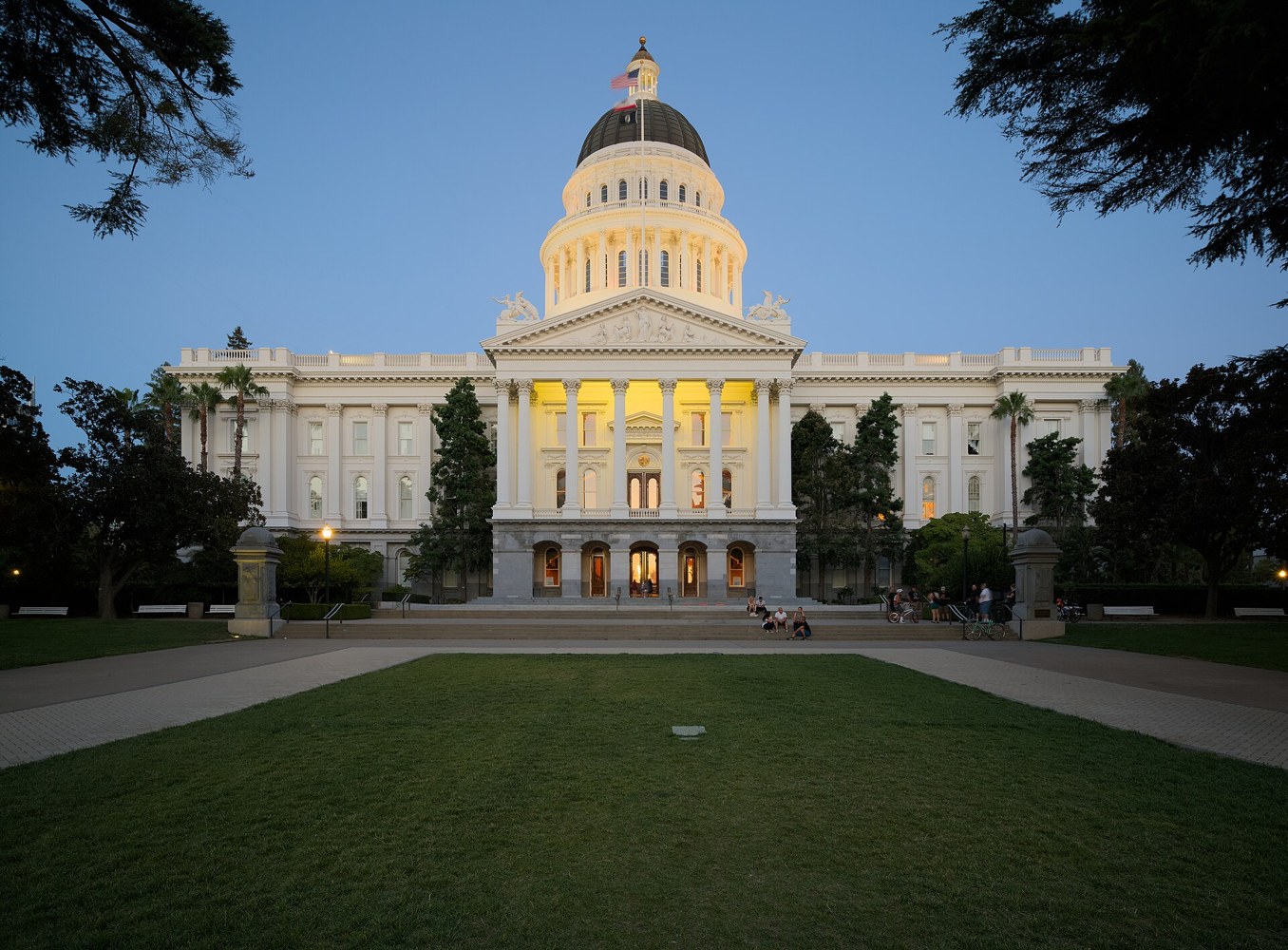
Photograph: Dllu; CC BY-SA 4.0. Original file and rights record: Wikimedia Commons.

Facts first. Side-eye included.
DJF separates what is confirmed from what is claimed—and tells you why this particular mess is worth your time.